Ever wonder why school felt like a constant battle, or why you were always the "spacey" kid? Many adults look back and realize they showed classic signs you had ADHD growing up, but these slipped past parents, teachers, and even themselves. ADHD (Attention-Deficit/Hyperactivity Disorder) often masquerades as quirky behavior in children, especially in quieter or high-achieving kids. According to the latest research from trusted sources like the CDC, up to 6 million children in the U.S. have ADHD, yet many cases go undiagnosed until adulthood.
This article dives into the most overlooked ADHD signs childhood unnoticed, helping you connect the dots. Stick around to discover actionable steps at the end—because recognition is the first step to thriving. 🩺

Understanding ADHD in Childhood: Why It Often Goes Unnoticed
ADHD isn't just hyperactivity—it's a neurodevelopmental disorder affecting attention, impulse control, and executive function. The latest guidelines emphasize three types: inattentive, hyperactive-impulsive, and combined. Inattentive ADHD is especially sneaky in kids who aren't disruptive, leading to missed diagnoses.
High-achieving children or girls often mask symptoms by overcompensating, making signs you had ADHD growing up invisible. Now, let's break down the top hidden indicators.
1. Chronic Daydreaming and Zoning Out
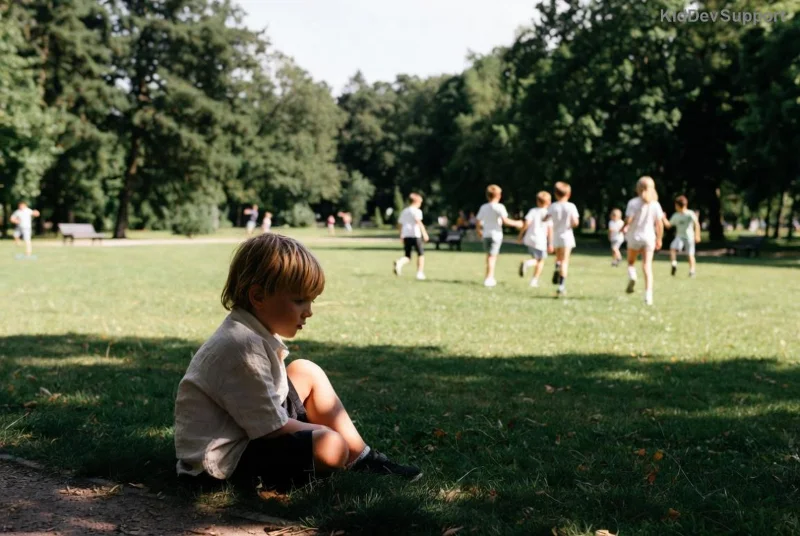
You stared out the window during lessons, lost in thought, while the teacher droned on. This isn't laziness—it's a hallmark inattentive ADHD sign. Kids with undiagnosed ADHD struggle to sustain attention on boring tasks, their minds wandering to stimulating fantasies.
Why unnoticed? Quiet dreamers aren't "troublemakers," so adults overlook it. Latest studies show this affects up to 70% of inattentive cases.
2. Forgetfulness in Daily Routines
Forgetting homework, lunchboxes, or chores? Constant "Where did I put that?" moments scream executive dysfunction, a core ADHD childhood indicator. Brains with ADHD have trouble with working memory.
Teaser: Keep reading for how this evolves into adult struggles...
3. Losing Things Constantly
Keys, toys, jackets—gone in a blink. This stems from poor organization skills, another stealthy sign you had ADHD growing up. It's not carelessness; it's neurological.
4. Difficulty Following Instructions
Teachers said you were "smart but not listening." You heard the words but couldn't sequence them into action. This multi-step processing glitch is classic undiagnosed ADHD.
5. Fidgeting or Squirming Non-Stop
Even "calm" ADHD kids tap feet, doodle excessively, or lean on chairs. Their brains crave stimulation to stay alert. Often dismissed as "antsy," it's a key hyperactive sign.
6. Excessive Talking or Blurting Out
Interrupting conversations or chattering endlessly? Impulse control issues make kids with ADHD verbal volcanoes. In social settings, it's seen as "chatty," not pathological.
Curious about emotional signs? The next ones might hit home.
7. Trouble Waiting Your Turn
Games, lines, meals—patience was your nemesis. This impulsivity leads to frustration meltdowns, brushed off as "bad manners."
8. Emotional Rollercoasters
Intense mood swings, overreactions to small setbacks, or sudden tears? ADHD affects emotional regulation via dopamine imbalances. Latest neuro-imaging confirms heightened amygdala activity.
9. Hyperfocus on Fun Stuff
Hours lost to video games or hobbies, but five minutes on homework? Paradoxical hyperfocus is a misunderstood ADHD sign childhood unnoticed. It shows the brain's all-or-nothing attention wiring.

10. Poor Time Sense and Procrastination
Always late, underestimating task time? Time blindness is an executive function deficit in ADHD, starting young and persisting.
Signs You Had ADHD Growing Up: A Quick Comparison Table
| Typical Kid Behavior | ADHD Sign (Often Unnoticed) |
|---|---|
| Occasional forgetfulness | Daily loss of essentials, chronic disorganization |
| Daydreams sometimes | Frequent zoning out during instructions |
| Fidgets when bored | Constant movement to self-regulate |
| Procrastinates occasionally | Severe time blindness and avoidance |
This table highlights how hidden ADHD symptoms kids blend into normalcy. For more, check CHADD, a leading ADHD advocacy group.
What to Do If These Signs You Had ADHD Growing Up Resonate
Recognizing retrospective signs is empowering. If 6+ apply and affect your life now, consult a professional. Latest assessments include comprehensive evaluations beyond checklists.
- Seek diagnosis: Start with a psychologist specializing in adult ADHD.
- Strategies: Use timers, body doubling, or apps like Focus@Will.
- Treatment: Therapy (CBT), meds (if suitable), lifestyle tweaks yield success. 😊
Many thrive post-diagnosis—think entrepreneurs with "ADHD superpowers" like creativity. Don't wait; clarity awaits.
Did this spark memories? Share in comments and consult a doctor for personalized advice. You've got this! 🏆