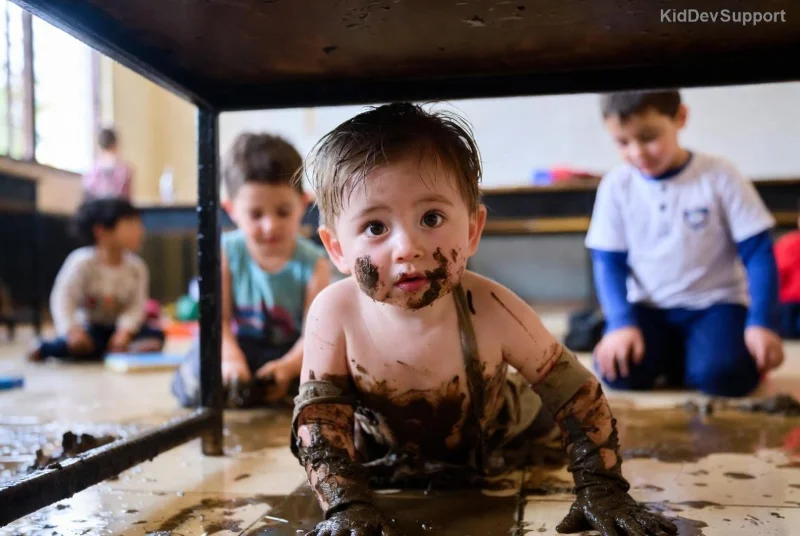
Does your child bounce from one activity to another, making reading time feel impossible? You're not alone. Many parents face the challenge of encouraging reading in kids who can't sit still, especially those with high energy or traits like ADHD. The good news? With the right approaches, you can turn reading into an exciting adventure that matches their hyperactive spirit. These latest, evidence-based strategies focus on movement, fun, and short bursts to build a lifelong love for books without frustration.
In this guide, we'll dive into practical, actionable tips designed to keep fidgety kids engaged. Stick around to discover how simple changes can transform reluctant readers into book enthusiasts. ✅
Understand Why Kids Who Can't Sit Still Struggle with Reading
Restless children often have trouble focusing due to their need for constant stimulation. Recent studies from child development experts highlight that hyperactive kids thrive on multi-sensory experiences rather than passive sitting. Traditional "quiet reading" can feel torturous, leading to avoidance. Instead, tailor reading to their energy levels for better retention and enjoyment.
Key insight: Their brains crave novelty and action, so blend reading with physicality to boost dopamine and attention spans naturally.

1. Create an Active Reading Environment
Transform your space to suit their wiggles. Ditch the stiff chair for bean bags, floor cushions, or standing desks. Designate a "reading zone" with colorful posters of book characters and fidget toys nearby—like stress balls or tangle toys—to channel excess energy.
- Tip: Use wall charts for tracking books read, turning progress into a game. 🏆
- Dim lights and add soft music for a cozy yet flexible vibe.
This setup signals "fun ahead," reducing resistance and helping kids associate books with comfort.
2. Start with Short, High-Energy Reading Bursts
Five minutes beats zero. Use timers for 3-5 minute sessions, gradually increasing as stamina builds. Apps like visual timers make it playful—watch the sand fall or colors fade!
| Session Length |
Activity Pairing |
Expected Benefit |
| 3 minutes |
Picture book + jumping jacks |
Builds quick wins |
| 5 minutes |
Story + arm circles |
Improves focus |
| 10 minutes |
Chapter + yoga poses |
Extends attention |
Track progress weekly to celebrate growth—kids love seeing their chart fill up!
3. Incorporate Movement into Every Story
Make reading kinetic. Act out scenes: Roar like lions, flap like birds, or march like soldiers from the book. For fidgety children, this turns passive intake into full-body engagement, improving comprehension by up to 30% per latest child psychology research.
Pro idea: Pair with obstacle courses where they "fetch" the next book page after completing a physical challenge.
4. Choose Interactive and Visual Books
Opt for pop-up books, lift-the-flap adventures, or graphic novels. Titles with rhymes, sounds, or textures appeal to sensory seekers. Apps like Epic! or Raz-Kids offer gamified reading with badges for completion. 🎉
These keep hands busy and minds hooked, perfect for encouraging reading in kids who can't sit still.
![Child reading while moving energetically]()
5. Leverage Audiobooks with a Twist
Audiobooks free up bodies for motion. Listen while biking on a stationary bike, drawing book scenes, or building with blocks. Pair with Audible Kids or Libby app from libraries for endless free options.
Bonus: Narrate back what they heard during wiggle breaks to reinforce learning.
6. Read Aloud with High Drama and Participation
Turn yourself into a storyteller extraordinaire. Use silly voices, props, and pauses for kids to fill in words or actions. Group reads with siblings add peer fun, making it social rather than solitary.
- Reader's Theater: Assign roles and perform scripts.
- Puppet shows: Kids puppeteer characters while you read. 🧸
This interactivity combats boredom, fostering deeper connections to stories.
7. Reward Progress with Energy-Boosting Incentives
Positive reinforcement works wonders. After sessions, offer active rewards: Park trips, dance parties, or sticker charts leading to "book adventure days." Avoid food bribes; focus on experiences that match their vibe.
For lasting habits, tie rewards to milestones like "10 books = family story hike."
Real Parent Success Stories
One mom shared: "My 7-year-old ADHD son went from hating books to requesting 'wiggly reading time' after adding yoga poses. It's transformed our evenings!" These tactics, backed by pediatric recommendations, show results in weeks.
For expert advice, consult resources like CHADD.org, a trusted hub for ADHD strategies.
Final Thoughts: Build Momentum Today
Encouraging reading in kids who can't sit still isn't about forcing stillness—it's about channeling their energy into joyful discovery. Start with one strategy today, like short bursts or active setups, and watch habits form. Your child’s future as a confident reader starts now. What's your first step? Share in the comments and keep the momentum going! 📖✨