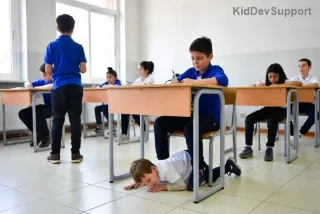
Is your child struggling to focus, but the signs don't match the classic ADHD picture? As a parent, understanding how ADHD looks in boys vs girls can be a game-changer. Boys often grab attention with high energy, while girls fly under the radar with subtler struggles. This guide breaks it down with the latest research, helping you spot symptoms early and take action. Let's dive in—what if the key to your child's success is recognizing these differences today?

How ADHD Symptoms in Boys Typically Appear
Boys with ADHD are often the ones teachers flag first. Their symptoms scream "hyperactive-impulsive," making up about 60-70% of diagnoses in school settings, per the latest studies. Here's what to watch for:
- Fidgeting and restlessness: Constantly squirming, tapping feet, or leaving their seat in class. 🏃♂️
- Impulsivity: Blurting answers, interrupting others, or acting without thinking—like grabbing toys or running into streets.
- High energy outbursts: Rough play, difficulty waiting turns, or emotional meltdowns when routines change.
- Attention struggles: Short focus spans during tasks, losing homework, or forgetting instructions.
These outward behaviors lead to quicker referrals. But missing school context? Boys might channel energy into sports, masking issues at home.
The Sneaky Side: ADHD Symptoms in Girls
Girls with ADHD often present with the inattentive type, which is harder to spot. Recent data shows girls are underdiagnosed by up to 3-4 times compared to boys because their symptoms are internal. Key signs include:
- Daydreaming and inattention: Zoning out in class, making careless mistakes, or losing things like books and clothes.
- Internal anxiety: Perfectionism, low self-esteem, or crying over small failures—often mistaken for "emotional" rather than ADHD.
- Hyperfocus on wrong things: Obsessing over books or friends while ignoring homework.
- Social challenges: Talking excessively to fit in or struggling with friendships due to missing social cues.
Girls may work harder to compensate, leading to burnout. Imagine your daughter as the "quiet dreamer"—that's ADHD in girls hiding in plain sight.
![Girl displaying inattentive ADHD traits]()
ADHD in Boys vs Girls: Side-by-Side Comparison
To make it crystal clear, here's a comparison table of core differences based on the most recent clinical insights:
| Symptom Type |
ADHD in Boys |
ADHD in Girls |
| Hyperactivity |
High: Running, climbing, constant motion 🚀 |
Low: Fidgeting internally, like leg shaking |
| Impulsivity |
External: Interrupting, risk-taking |
Verbal: Excessive chattiness, emotional impulsivity |
| Inattention |
Paired with hyperactivity; task avoidance |
Primary: Daydreaming, disorganization 😔 |
| Emotional Regulation |
Anger outbursts |
Anxiety, sadness, people-pleasing |
| Diagnosis Age |
Earlier (ages 7-9) |
Later (teens or adulthood) ⏳ |
This table highlights why ADHD in boys vs girls demands tailored vigilance. Curious how these play out in real life? Keep reading for parent strategies.
Why Girls Get Overlooked: Diagnosis Challenges
The latest research from sources like the CDC reveals referral bias—boys' disruptions prompt action, while girls' quiet struggles blend into "normal." Hormones in puberty can intensify symptoms in girls, mimicking anxiety or depression. Result? Delayed treatment, risking academic failure or mental health issues.
![Family discussing ADHD support strategies]()
Parent Action Plan: Supporting Your Child with ADHD
Ready to help? Here's a focused toolkit:
- Observe patterns: Track behaviors over weeks using apps or journals. Note differences by gender-specific signs.
- Create structure: Routines, timers, and visual schedules reduce chaos for both boys and girls.
- Encourage strengths: Boys thrive in active outlets like sports; girls in creative pursuits. 🎨
- Team up with school: Request accommodations like extra time or quiet spaces.
- Nutrition and sleep: Omega-3s and consistent bedtimes boost focus, per recent guidelines.
For deeper strategies, check CHADD resources. Early intervention can lead to thriving kids. 💪
When to Seek Professional Help
Consult a doctor if symptoms persist 6+ months, impact daily life, or worsen. Pediatricians use DSM-5 criteria, rating scales, and observations. Medication (stimulants) and therapy (CBT) work wonders—80% response rate in trials. Don't wait; empowering your child starts now.
Final Thoughts: Empower Your Family Today
Mastering how ADHD looks in boys vs girls equips you to advocate effectively. Boys' boldness and girls' subtlety both need your insight. Act now for a brighter future—your child will thank you. Share your story in comments; what's one sign you spotted?
Disclaimer: This guide is informational. Always consult healthcare professionals for diagnosis and treatment.