Imagine your child bursting into tears over a simple "no" or crumbling after a playground snub. For parents of kids with ADHD in kids, these moments aren't just tantrums—they're often signs of rejection sensitivity, a common yet misunderstood companion to ADHD. This guide dives deep into the connection, offering practical insights to empower you. Stick around to uncover strategies that can transform your child's emotional world. 🩺
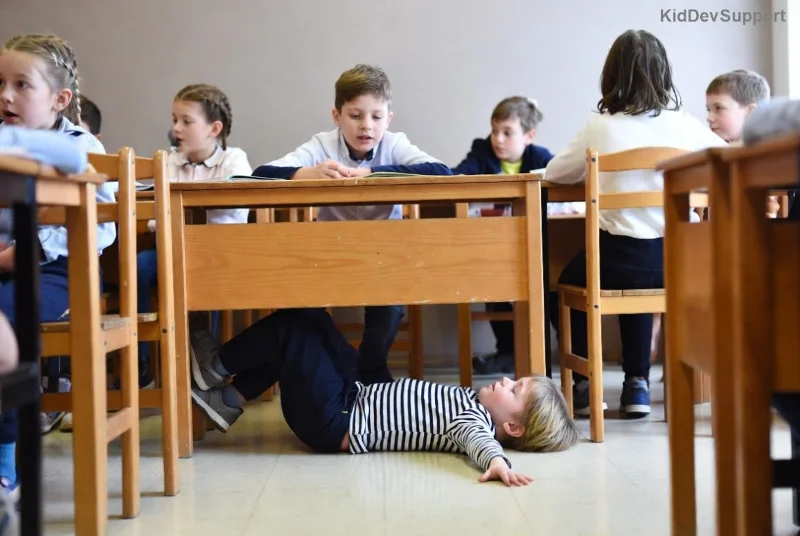
What is ADHD in Kids?
ADHD in kids, or Attention Deficit Hyperactivity Disorder, affects millions worldwide. It's a neurodevelopmental condition marked by persistent inattention, hyperactivity, and impulsivity that interferes with daily functioning. Recent studies highlight that up to 70% of children with ADHD experience co-occurring emotional challenges, making early recognition crucial.
Core symptoms include:
- Difficulty focusing on tasks
- Fidgeting or excessive talking
- Acting without thinking
But beyond these, ADHD in kids rewires emotional processing, setting the stage for heightened sensitivities.
Unraveling Rejection Sensitivity in ADHD
Rejection sensitivity, often called Rejection Sensitive Dysphoria (RSD), isn't an official diagnosis but a well-documented trait in ADHD. It's an intense emotional pain from perceived or real rejection, criticism, or failure. Kids with ADHD feel these stings five times more intensely than neurotypical peers, according to the latest expert consensus.
RSD stems from ADHD's impact on dopamine regulation—the brain chemical tied to reward and motivation. When rejection hits, it triggers a dopamine crash, mimicking intense physical pain.
The Powerful Link: Why ADHD in Kids Amplifies Rejection Sensitivity
Children with ADHD in kids face constant feedback loops of correction ("Sit still! Focus!"), which fuel rejection sensitivity. This creates a cycle: impulsivity leads to social mishaps, mishaps to rejection, and rejection to withdrawal or meltdowns.
Latest neuroimaging shows ADHD brains have overactive amygdala responses to social cues, explaining why a teacher's frown feels like devastation.
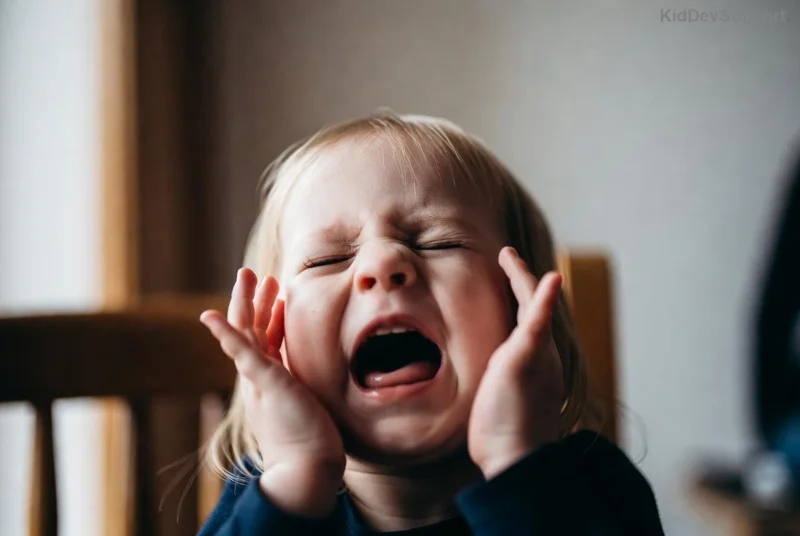
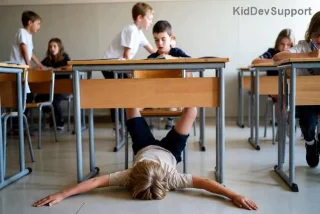
![ADHD child in emotional overwhelm]()
Signs of Rejection Sensitivity in Children with ADHD
Spotting RSD early can change everything. Watch for:
| Sign |
Example in ADHD in Kids |
Emotional Impact |
| Overreaction to Criticism |
Cries after "Good try" feedback |
Feels like total failure |
| People-Pleasing |
Agrees to anything to avoid conflict |
Exhaustion and resentment |
| Avoidance Behaviors |
Skips school after a bad grade |
Isolation and anxiety |
| Mood Swings |
Euphoric then devastated post-playdate |
Emotional rollercoaster |
These aren't "bad behavior"—they're survival responses. Keep reading for how to intervene effectively.
Impact on Daily Life and Long-Term Effects
Rejection sensitivity in ADHD in kids erodes self-esteem, straining friendships and school performance. Untreated, it raises risks for anxiety, depression, and even substance issues later. But here's hope: targeted support flips the script, fostering resilience.
Socially, kids may become bullies (to preempt rejection) or isolates. Academically, fear of failure leads to procrastination.
Diagnosis: Connecting ADHD in Kids and RSD
Diagnosis starts with a pediatrician or psychologist using tools like the Vanderbilt Assessment. No single test for RSD, but it's flagged via parent/teacher reports. Rule out anxiety or autism first.
For reliable info, consult CHADD or CDC ADHD resources.
![Happy child overcoming ADHD challenges]()
Treatment and Management Strategies
Medication like stimulants (e.g., methylphenidate) boosts dopamine, easing RSD intensity. Therapy shines here:
- CBT (Cognitive Behavioral Therapy): Reframes negative thoughts ✅
- Parent Training: Teaches validation techniques
- Mindfulness Apps: Builds emotional regulation
Parent-Proven Tips for Rejection Sensitivity
- Validate Feelings: "I see you're hurting—that's okay."
- Preempt Triggers: Role-play social scenarios.
- Build Wins: Celebrate small successes with charts 🏅
- Limit Criticism: Use "sandwich" feedback (praise-critique-praise).
- Encourage Self-Compassion: Teach "I'm learning, not failing."
These steps, backed by latest clinical guidelines, reduce RSD episodes by up to 50%.
When to Seek Professional Help
If RSD leads to self-harm threats, school refusal, or chronic sadness, act now. A child psychiatrist can tailor plans. Early intervention prevents lifelong scars.
Empowering Your Child: Final Thoughts
ADHD in kids paired with rejection sensitivity feels overwhelming, but knowledge is power. By understanding the brain science and applying these tools, you can help your child build unshakeable confidence. Start with one tip today—what's yours? Share in comments or consult a pro. Your child deserves to thrive. 😊