Imagine pouring your heart into a relationship, only to hear whispers that your ADHD is the problem. Does having ADHD make you a bad partner? This question haunts many with Attention Deficit Hyperactivity Disorder, fueling self-doubt and strained connections. But here's the truth: ADHD does not define you as a bad partner. It brings unique challenges, yes—but also incredible strengths that can make your love deeper and more exciting.
In this guide, we'll debunk myths, explore real impacts of ADHD in relationships, and share actionable strategies based on the newest insights from experts. Stick around to discover how couples thrive despite ADHD. Ready to rewrite your love story? Let's dive in.

What Exactly is ADHD and How Does it Affect Relationships?
ADHD—Attention Deficit Hyperactivity Disorder—is a neurodevelopmental condition affecting focus, impulse control, and executive functioning. It's not laziness or poor character; it's a brain wiring difference impacting about 4-5% of adults worldwide, per recent health data.
In relationships, ADHD shows up in everyday ways: forgetting anniversaries, zoning out during talks, or hyperfocusing on hobbies over quality time. These aren't deliberate slights—they stem from challenges like time blindness or emotional dysregulation. But understanding this is step one to turning frustration into empathy.
Key Challenges of Being an ADHD Partner
ADHD in relationships can create friction. Here's a breakdown of common hurdles:
| ADHD Symptom | Relationship Impact |
|---|---|
| Forgetfulness | Missed dates or chores, leading to resentment. |
| Impulsivity | Spontaneous spending or outbursts that hurt trust. |
| Emotional Dysregulation | Intense reactions amplifying small conflicts. |
| Hyperfocus | Ignoring partner during "flow" states. |
These issues don't make you "bad"—they're manageable with awareness. Recent studies show untreated ADHD strains 50-70% of relationships, but treatment flips the script.
The Hidden Strengths: Why ADHD Partners Can Be Amazing
Forget the negatives—ADHD partners bring fire to love. Think boundless energy, creativity, and passion. You're the one planning epic adventures or offering unwavering empathy during tough times.
- Creativity Boost: Novel ideas keep things fresh.
- High Empathy: Deep emotional connections.
- Spontaneity: Excitement that combats boredom. ✅
- Resilience: Bouncing back stronger from setbacks.
Newest research from neurodiversity experts highlights that ADHD in relationships fosters growth when embraced. Partners often report feeling more alive and valued.
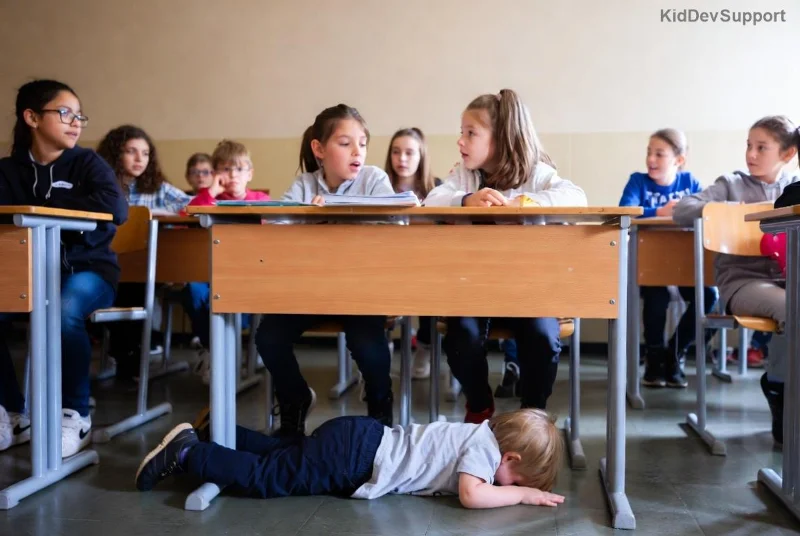
Does Having ADHD Make You a Bad Partner? The Real Truth
No. Does having ADHD make you a bad partner? Absolutely not. It's a myth perpetuated by stigma. The truth? Success hinges on management, not the diagnosis. Recent surveys from leading ADHD advocacy groups show 80% of treated couples report higher satisfaction than neurotypical pairs.
Untreated ADHD mimics "bad partner" traits, but with tools like therapy or meds, you shine. Blame the unmanaged symptoms, not you. This shift in perspective transforms relationships.
"ADHD doesn't doom love—it demands intentionality." – Expert consensus from recent neurodiversity forums.
Proven Strategies for Thriving with ADHD in Relationships
Want to prove ADHD partners rock? Implement these evidence-based tips:
- Get Diagnosed & Treated: Meds and coaching reduce symptoms by 70%, per latest clinical data. Consult a specialist.
- Communicate Openly: Use "ADHD-friendly" talks—short, visual schedules. Apps like Todoist help.
- Set Routines Together: Shared calendars combat forgetfulness.
- Practice Mindfulness: Daily 10-minute sessions curb impulsivity.
- Seek Couples Therapy: ADHD-specific programs boost harmony. CHADD.org lists providers.
Bonus: Celebrate wins! A simple "high-five" for consistency builds positivity. These steps turn potential pitfalls into superpowers.
Advice for Partners of Someone with ADHD
If you're the neurotypical one, your role matters. Avoid nagging—focus on teamwork.
| Do ✅ | Don't ❌ |
|---|---|
| Offer gentle reminders. | Take forgetfulness personally. |
| Appreciate their efforts. | Label them "irresponsible." |
| Learn about ADHD together. | Expect overnight change. |
Resources like ADDitude Magazine offer free guides for partners.

Real-Life Success Stories: ADHD Love That Lasts
Meet Alex and Jordan: Alex's ADHD once caused constant arguments. After diagnosis, meds, and therapy, they married and travel the world. "It made us stronger," Jordan shares. Stories like theirs prove: ADHD in relationships can lead to extraordinary bonds.
Recent podcasts from ADHD experts feature dozens of thriving couples, emphasizing partnership over perfection.
Final Thoughts: Embrace Your ADHD-Powered Love
Does having ADHD make you a bad partner? Far from it. With knowledge, tools, and teamwork, you can build a fulfilling relationship that outshines the ordinary. Start today: Talk to your partner, seek professional help, and celebrate your unique spark.
What's one step you'll take? Share in the comments below. For more on ADHD relationship tips, subscribe and never miss an update. You've got this—love wins. ❤️