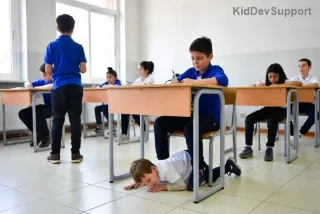
Imagine a child who feels like they're always failing, no matter how hard they try. For kids with ADHD, this isn't imagination—it's daily reality. ADHD doesn't just affect attention and hyperactivity; it profoundly impacts self-esteem in kids, leading to feelings of inadequacy and shame. But there's hope. This guide breaks down how ADHD affects self-esteem in kids, reveals key signs, and shares actionable steps to help your child thrive. Keep reading to transform struggles into strengths. ⚕️
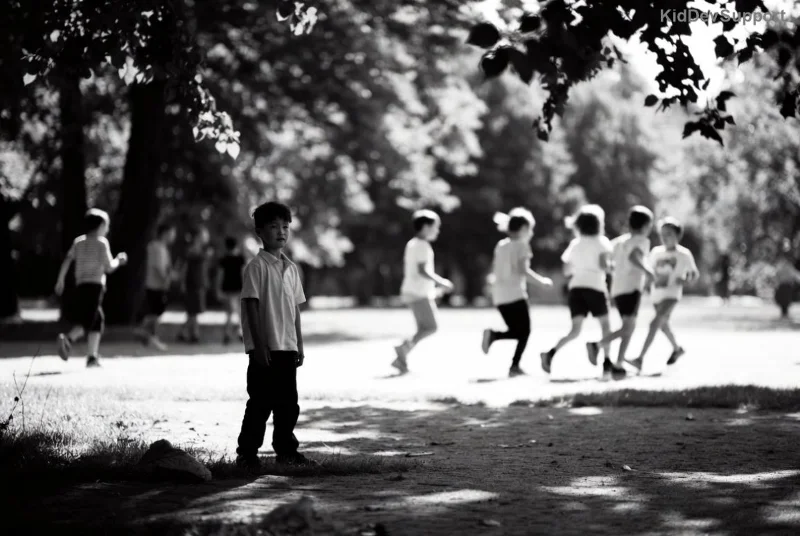
Understanding ADHD and Its Link to Self-Esteem
Attention Deficit Hyperactivity Disorder (ADHD) is a neurodevelopmental condition characterized by inattention, hyperactivity, and impulsivity. Recent studies show that up to 70% of children with ADHD experience significantly lower self-esteem compared to their peers. Why? The core symptoms create a cycle of frustration and failure.
Kids with ADHD often struggle in school, social settings, and home life. They forget homework, interrupt conversations, or fidget endlessly—behaviors that draw criticism from teachers, parents, and friends. Over time, this external feedback internalizes, eroding their sense of worth. The newest research highlights that untreated ADHD amplifies these effects, making early intervention crucial.
How ADHD Directly Affects Self-Esteem in Kids
The impact is multifaceted. Here's a focused look at the main ways ADHD undermines confidence:
- Academic Struggles: Difficulty focusing leads to poor grades. A child might think, "I'm stupid," despite average intelligence.
- Social Rejection: Impulsivity causes outbursts or missing social cues, resulting in bullying or exclusion.
- Constant Criticism: Parents and teachers correct behaviors repeatedly, fostering shame.
- Executive Function Deficits: Trouble planning or organizing creates chaos, reinforcing "I'm a failure" beliefs.
These factors compound, creating a vicious cycle. Low self-esteem worsens ADHD symptoms, like avoidance of tasks, perpetuating the loop.
| ADHD Symptom |
Self-Esteem Impact |
Example |
| Inattention |
Repeated failures |
Forgetting assignments 😢 |
| Hyperactivity |
Social isolation |
Fidgeting in class |
| Impulsivity |
Regret and shame |
Interrupting friends |
![Supporting child with ADHD]()
Key Signs of Low Self-Esteem in Kids with ADHD
Spotting the signs early can prevent deeper issues like anxiety or depression. Watch for:
- Avoidance Behaviors: Refusing schoolwork or playdates due to fear of failure.
- Negative Self-Talk: Phrases like "I can't do anything right" or "Everyone hates me."
- Emotional Outbursts: Meltdowns from minor setbacks, stemming from fragile confidence.
- Withdrawal: Preferring solitude over social interaction.
- Perfectionism or Giving Up: Either overcompensating or quitting tasks prematurely.
If you notice these, it's a red flag. The latest guidelines from experts emphasize assessing self-esteem alongside ADHD symptoms for holistic care.
7 Proven Strategies to Boost Self-Esteem in Kids with ADHD
Rebuilding self-esteem requires targeted, positive actions. These evidence-based tips, drawn from the newest pediatric recommendations, focus on empowerment:
1. Celebrate Small Wins 🏅
Praise effort over outcomes. "You worked hard on that puzzle!" builds intrinsic motivation.
2. Use Positive Discipline
Replace criticism with "I notice" statements: "I notice you finished your chores—great job!"
3. Teach Coping Skills
Introduce tools like timers or fidget toys to manage symptoms, fostering independence.
4. Encourage Strengths
Channel creativity or energy into hobbies like art or sports where they shine. 😊
5. Seek Professional Support
Cognitive Behavioral Therapy (CBT) tailored for ADHD is highly effective. Medications, when appropriate, reduce symptoms and improve self-esteem.
For more, check resources from CDC ADHD page or CHADD.
6. Foster a Supportive Environment
Create routines and visual schedules to minimize chaos and maximize success.
7. Model Resilience
Share your own mistakes and recoveries to normalize imperfection.
Implementing these consistently can raise self-esteem scores dramatically, per recent meta-analyses.
Long-Term Outlook: Hope for ADHD Kids
With intervention, kids with ADHD not only recover self-esteem but often outperform peers in creativity and perseverance. Parents play the pivotal role—your support turns potential pitfalls into superpowers.
Ready to start? Pick one strategy today and track progress. Your child deserves to feel capable and loved. Share your experiences in the comments below—what's worked for your family? Stay tuned for more guides on ADHD parenting.