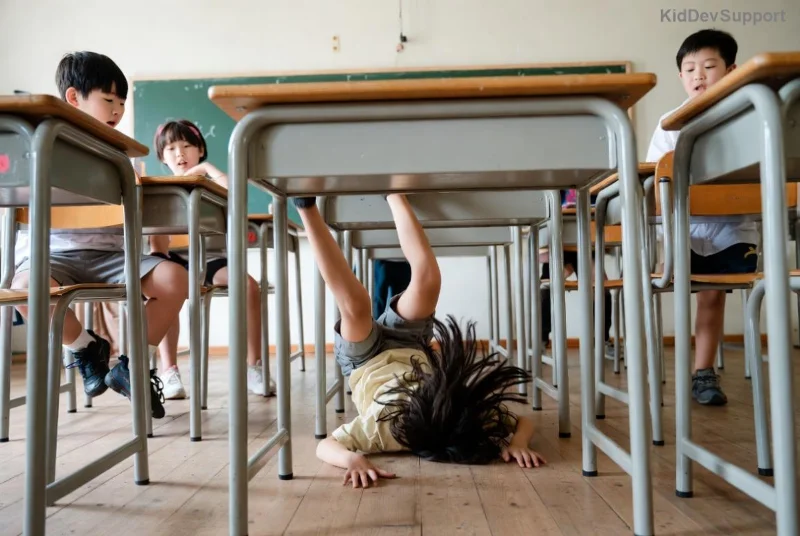
Imagine a child who fades into the background—quiet, daydreamy, and often overlooked. While hyperactive kids grab attention, quiet ADHD in shy children slips under the radar. This form of inattentive ADHD affects millions, yet it's frequently mislabeled as shyness or laziness. Early recognition can transform lives. In this guide, we'll break down the hidden signs, diagnosis steps, and proven strategies to support your child.

What is Quiet ADHD? Understanding Inattentive ADHD
Quiet ADHD, also known as predominantly inattentive ADHD, is a subtype of Attention Deficit Hyperactivity Disorder (ADHD) without the overt hyperactivity. According to the latest guidelines from health authorities, it impacts focus, organization, and task completion, but inwardly rather than disruptively.
Unlike the classic hyperactive-impulsive type, quiet ADHD manifests as internal struggles. Children may appear compliant and well-behaved, especially if they're naturally shy. This "invisible" nature leads to underdiagnosis, particularly in girls and introverted kids.
Why Shy Children Hide Inattentive Symptoms
Shy children with quiet ADHD often internalize their challenges. Their natural reticence masks fidgeting or impulsivity, replacing it with withdrawal. Latest research highlights that these kids avoid drawing attention to mistakes, leading parents and teachers to miss the cues.
- They daydream during lessons but never interrupt.
- Forget homework yet apologize profusely.
- Struggle with transitions but sit quietly frustrated.
This overlap between shyness and inattentive symptoms creates a perfect storm for oversight. Keep reading to learn the specific red flags.
Key Inattentive Symptoms in Shy Children
Spotting quiet ADHD requires looking beyond surface behavior. Here are the core inattentive symptoms, tailored to shy children:
| Symptom |
How It Appears in Shy Kids |
Common Impact |
| Daydreaming |
Stares out window, misses instructions |
Poor grades, repeated questions |
| Disorganization |
Lost items, messy backpack (hidden at home) |
Missed deadlines, low self-esteem |
| Forgetfulness |
Forgets chores, appointments quietly |
Family frustration, child guilt |
| Avoidance |
Procrastinates on tasks, withdraws |
Incomplete work, social isolation |
| Distractibility |
Easily sidetracked by thoughts/sounds |
Inconsistent performance |
These symptoms must persist for at least six months and impair daily life for diagnosis. In shy children, emotional signs like low mood or perfectionism often accompany them.
![Shy child with quiet ADHD struggling quietly]()
How to Recognize Quiet ADHD at Home and School
At home, watch for unfinished puzzles, lost toys, or a child who starts but abandons play. At school, teachers might note incomplete assignments or zoning out—without disruptive behavior.
Pro tip: Track patterns over weeks. Use a simple journal:
- Date and symptom observed
- Context (home/school)
- Child's emotional response 😔
This data empowers discussions with professionals.
Diagnosis: Steps to Confirm Inattentive ADHD
Diagnosis starts with a pediatrician or psychologist. Expect:
- Comprehensive interview with parents/teachers.
- Rating scales like the Vanderbilt Assessment.
- Ruling out anxiety, learning disabilities, or sleep issues.
For reliable info, consult CDC ADHD guidelines or CHADD resources. Early diagnosis prevents cascading issues like anxiety.
Treatment and Support for Quiet ADHD in Shy Children
Multimodal approaches work best:
- Medication: Stimulants like methylphenidate (prescribed carefully 🩺).
- Behavioral Therapy: Builds routines and coping skills.
- School Accommodations: Extended time, quiet spaces (via 504 Plan).
- Parent Training: Positive reinforcement over criticism.
Lifestyle tweaks amplify results: Consistent sleep, omega-3 rich diets, and mindfulness apps tailored for kids.
Practical Tips for Parents of Shy Children with Quiet ADHD
Empower your child without overwhelming them:
- Break tasks into tiny steps—celebrate small wins 🏅.
- Use visual timers and checklists.
- Foster strengths like creativity through art or reading.
- Build social skills gently in low-pressure settings.
- Self-care for you: Join support groups for validation.
Success stories abound—many shy children with quiet ADHD become thriving adults once supported.
Final Thoughts: Act Now for Your Child's Future
Quiet ADHD doesn't have to stay hidden. By recognizing inattentive symptoms in shy children, you open doors to focus, confidence, and joy. If these signs resonate, consult a specialist today. Your vigilance could be the key to their success. Share your experiences below—what signs did you notice first?