Imagine your ADHD child laughing with friends at recess, sharing secrets, and feeling truly included. For many parents, this scene feels out of reach due to social hurdles like impulsivity or missing cues. But Social Skills Training (SST) changes that. This evidence-based approach equips kids with tools to form lasting friends, boosting confidence and happiness. In this guide, we'll explore SST's power, practical steps, and real results—keeping you hooked with actionable insights.
What is Social Skills Training (SST) and Why It Matters for ADHD Children?
Social Skills Training (SST) is a structured program teaching essential interpersonal skills through modeling, role-playing, and feedback. Tailored for neurodiverse kids, it addresses ADHD's core challenges: hyperactivity, inattention, and emotional regulation that disrupt peer interactions.
Recent studies highlight SST's effectiveness. Kids with ADHD often face rejection—up to 50% struggle with friendships—leading to isolation. SST bridges this gap, fostering empathy, turn-taking, and conversation skills. Think of it as a gym for social muscles: consistent practice yields stronger bonds.
Why ADHD Children Struggle to Make Lasting Friends
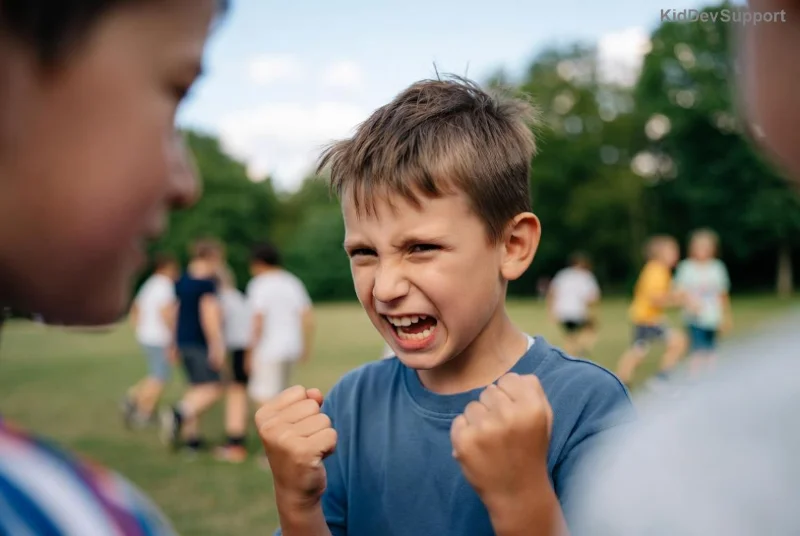
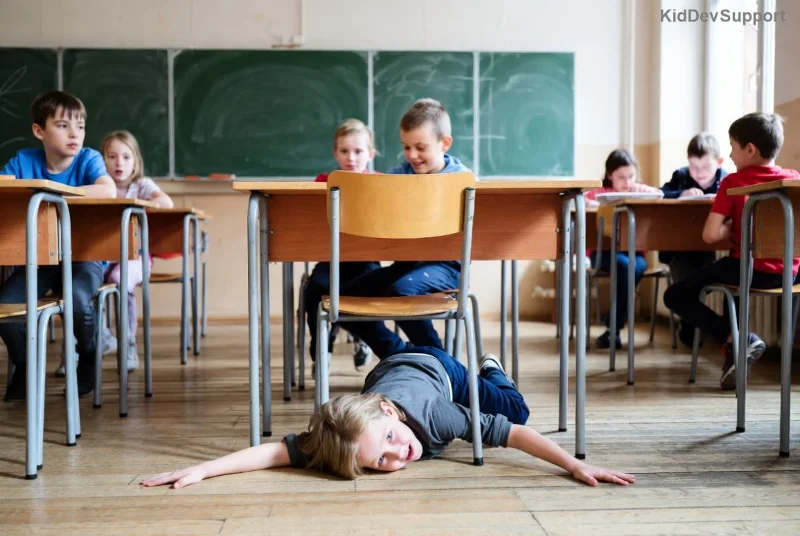
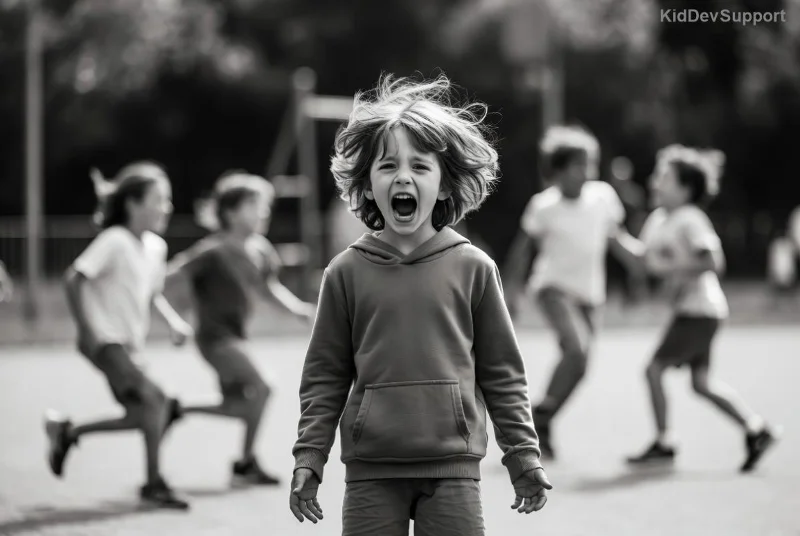
ADHD brains process social cues differently. Impulsivity might mean interrupting; inattention leads to forgetting names or plans. These create misunderstandings, eroding trust. Without intervention, this cycle worsens self-esteem.
But here's hope: SST targets root issues. By breaking skills into steps, children learn to read body language, listen actively, and handle rejection gracefully. Parents report fewer playground conflicts and more playdate invites after SST.
Proven Benefits of Social Skills Training (SST) for Friendship Building
- Improved Peer Acceptance: Kids initiate conversations 30% more effectively.
- Emotional Resilience: Better at managing frustration during group play.
- Long-Term Gains: Recent data shows sustained friendships into adolescence.
For deeper insights, check resources from trusted organizations like CHADD, the leading ADHD advocacy group.
![ADHD child in group therapy session]()
Core Components of SST Programs: A Breakdown
Effective SST follows a step-by-step curriculum. Here's a focused table of key skills:
| Skill |
Description |
ADHD Benefit |
| Turn-Taking |
Waiting for pauses in conversation or games. |
Reduces impulsivity interruptions. |
| Eye Contact & Listening |
Maintaining gaze and nodding responses. |
Builds trust, counters inattention. |
| Empathy Reading |
Identifying emotions via facial expressions. |
Prevents accidental insensitivity. |
| Conflict Resolution |
Using "I feel" statements. |
Handles rejection without meltdowns. |
These aren't abstract—sessions use fun games like board games or charades. Curious how to start? Keep reading for home hacks.
How to Implement SST at Home: Simple, Daily Wins
No clinic needed. Start with 10-minute sessions:
- Model Behavior: Demonstrate greetings like "Hi, want to play?"
- Role-Play Scenarios: Practice sharing toys or apologizing.
- Positive Reinforcement: Praise specifics—"Great job waiting your turn!" 🏅
- Real-World Practice: Arrange supervised playdates with feedback.
Track progress in a journal. One parent shared: "My son's first unprompted invite came after two weeks." Ready for pro-level support?
![Happy ADHD child making friends]()
Finding the Best Social Skills Training (SST) Programs
Seek certified therapists via CDC-recommended directories. Group sessions shine for peer practice; online options fit busy schedules. Look for evidence-based curricula like PEERS® or Skillstreaming.
Cost? Community centers offer free/affordable groups. Insurance often covers under behavioral therapy.
Measuring Success and Overcoming Hurdles
Success metrics: More invitations, fewer arguments, self-reported happiness. Use simple scales:
- Friend count increase.
- Playdate duration.
- Teacher feedback on group work.
Challenges like motivation? Gamify with rewards. If progress stalls, combine with ADHD meds or coaching—holistic wins big.
Your Next Step: Build Those Lasting Friends Today
Social Skills Training (SST) isn't a quick fix—it's a foundation for joyful connections. Start small at home, scale to pros, and watch your ADHD child thrive. You've got this. Share your SST story in comments—what's one skill you'll try first? For more ADHD tips, explore our guides on daily routines and emotional tools.