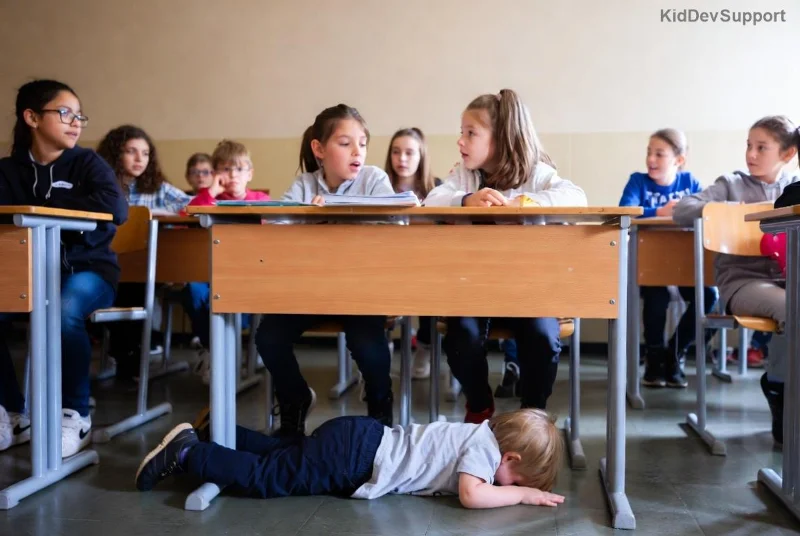
Ever wonder why your energetic child bounces off the walls at school, yet that same hyperactive trait seems to vanish in adulthood? ADHD (Attention Deficit Hyperactivity Disorder) often screams for attention in kids but whispers in grown-ups. This isn't because it disappears—it's because it transforms. In this guide, we'll uncover the exact reasons why ADHD is more visible in children than adults, backed by the latest insights from medical experts. Stick around to learn how to spot it in yourself or loved ones and what to do next. 🩺

Understanding ADHD: A Quick Core Breakdown
ADHD is a neurodevelopmental disorder marked by persistent patterns of inattention, hyperactivity, and impulsivity that interfere with daily functioning. According to the newest diagnostic guidelines, it affects about 5-7% of children and 2-5% of adults worldwide. But here's the twist: while kids' symptoms are overt and disruptive in structured environments like classrooms, adults often mask them masterfully.
Why the shift? It boils down to brain development, life demands, and learned coping skills. Let's dive deeper.
Symptom Showdown: Kids vs. Adults
In children, ADHD symptoms are raw and unfiltered. Running around during lessons? Blurting answers? That's classic. Adults, however, internalize these into subtler issues like chronic lateness or emotional dysregulation.
Check this comparison table for clarity:
| Symptom Type |
In Children |
In Adults |
| Inattention |
Daydreaming in class, losing toys |
Forgetting deadlines, zoning out in meetings |
| Hyperactivity |
Fidgeting, running excessively ⚡ |
Restlessness, excessive talking, or job-hopping |
| Impulsivity |
Interrupting teachers, grabbing toys |
Impulsive spending, risky driving, or quitting jobs suddenly |
This table highlights why ADHD in children grabs immediate attention—behaviors clash with school norms. In adults, they blend into "personality quirks" at work or home.
Brain Development: The Maturation Factor
The adolescent brain undergoes massive rewiring, especially in the prefrontal cortex—the "brake" on impulses. In kids with ADHD, this area lags, amplifying visible chaos. By adulthood, partial maturation occurs, toning down physical hyperactivity. Latest neuroimaging studies show adults retain attentional deficits but lose the "motor overflow."
Result? Kids look "wild"; adults seem "scatterbrained." But don't celebrate yet—untreated adult ADHD leads to higher rates of anxiety, depression, and relationship strain.
Coping Mechanisms: Adults' Secret Superpower
Children lack the tools to compensate. An adult with ADHD? They've spent decades adapting. Think sticky notes for reminders, caffeine for focus, or high-stimulation jobs masking restlessness. These internalized strategies make symptoms less visible.
- Hyperfocus Hack: Kids can't channel energy; adults hyperfocus on passions, excelling in creative fields.
- Social Camouflage: Adults learn to "act normal," suppressing fidgeting in professional settings.
- Medication & Therapy: Many adults self-medicate subtly or seek help quietly.
Teaser: Up next, how environments amplify this visibility gap...
![Adult managing ADHD symptoms discreetly]()
Environmental Triggers: School vs. Real World
Schools demand sitting still for hours—ADHD in children explodes here, prompting teacher reports and diagnoses. Workplaces? More flexible: standing desks, remote options, or dynamic roles suit adults better.
Parenting adds structure for kids (homework routines), while adult life offers autonomy. No wonder ADHD feels "cured" post-childhood—it's just less mismatched.
Diagnosis Disparities: Under-the-Radar in Grown-Ups
Recent surveys reveal up to 75% of childhood ADHD cases persist into adulthood, yet only 10-20% get diagnosed. Why? Adults dismiss symptoms as stress. Women, especially, present with inattentive types, mistaken for laziness.
Key stats from trusted sources:
- Men: Hyperactive symptoms lead to earlier adult diagnosis.
- Women: Internalized anxiety hides ADHD until burnout. 💔
For accurate info, consult CDC ADHD resources or ADDitude Magazine.
Social Stigma and Self-Perception
Kids get labeled "troublemakers"; adults self-blame as "failures." This internalized shame reduces visibility—no one flags a colleague's disorganization like a teacher does a student's.
Plus, societal myths: "ADHD is just for kids." This delays recognition, letting symptoms simmer unseen.
Health Impacts: Why Ignoring Adult ADHD Hurts
Though less visible, undiagnosed adult ADHD correlates with:
- Higher divorce rates 😞
- Financial instability from impulsivity
- Comorbid conditions like substance use
Good news: Latest treatments—meds like stimulants, CBT, and coaching—transform lives. Early intervention in kids prevents this cascade.
How to Spot and Address It Now
Suspect ADHD in an adult? Look for patterns: procrastination marathons, emotional rollercoasters, or thrill-seeking. Self-assessments from reputable sites are a start, but see a specialist for confirmation.
Pro tips:
- Track symptoms in a journal 📓
- Build routines with apps like Todoist
- Seek ADHD coaching for tailored strategies
Parents: Nurture kids' strengths early to ease adult transitions. 🏆
Final Thoughts: Unveiling the Invisible
Why is ADHD more visible in children than adults? It's a perfect storm of immature brains, rigid environments, and absent coping skills in youth—contrasted with adaptation and flexibility later. Recognizing this empowers better support across ages.
Ready to demystify your own focus struggles? Share in comments or consult a pro today. Your future self (focused and thriving) thanks you! 🚀