Imagine staring at a simple task like answering emails, yet hours slip by without starting. For millions with ADHD, this isn't laziness—it's a neurological hurdle. ADHD procrastination affects up to 80% of adults with the condition, turning daily life into a battle. But why does it happen? This article dives deep into the brain science behind why people with ADHD procrastinate so much and shares actionable fixes to break the cycle. Stick around—you'll uncover insights that could transform your productivity.
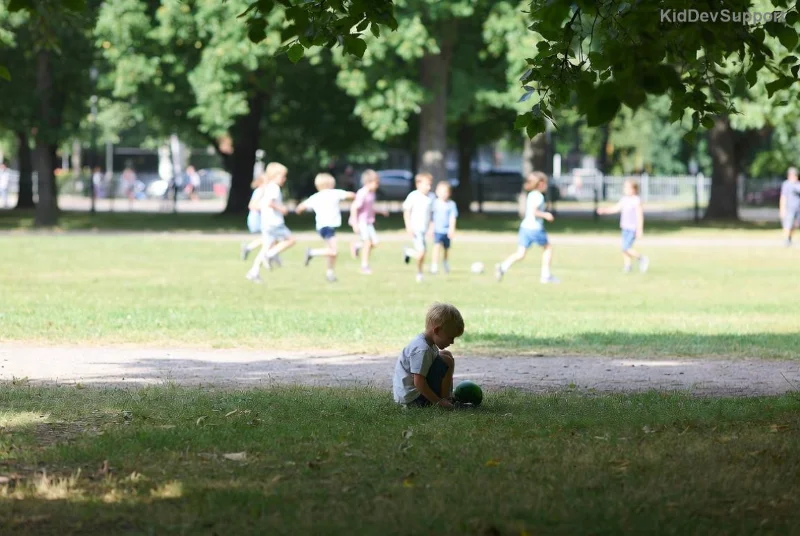
Understanding ADHD and Its Link to Procrastination
Attention Deficit Hyperactivity Disorder (ADHD) is a neurodevelopmental condition impacting focus, impulse control, and executive functions. Recent neuroimaging studies reveal that ADHD brains process rewards and motivation differently, fueling chronic procrastination.
Procrastination isn't just delay—it's avoidance rooted in brain chemistry. Unlike neurotypical individuals who push through boredom, those with ADHD face amplified barriers. Let's break down the core reasons.
Top 5 Reasons Why People with ADHD Procrastinate So Much
1. Executive Dysfunction: The Brain's Control Center Glitch
The prefrontal cortex, responsible for planning and task initiation, underperforms in ADHD. This executive dysfunction makes starting tasks feel impossible—like your brain's "start button" is jammed. Recent fMRI scans confirm reduced activity here during decision-making, explaining why even urgent tasks get sidelined.
2. Dopamine Deficiency: Chasing the Motivation High
ADHD involves low baseline dopamine, the "motivation molecule." Boring tasks don't trigger enough dopamine release, so the brain seeks stimulating alternatives like scrolling social media. New research from leading neurology labs shows ADHD individuals need novelty to activate reward pathways, perpetuating procrastination.
3. Time Blindness: When Time Slips Away Unnoticed
People with ADHD often experience time blindness, struggling to estimate task duration. A five-minute job balloons into "all day" in their mind, leading to paralysis. Cognitive behavioral studies highlight this as a key driver of ADHD procrastination.

4. Emotional Overload and Rejection Sensitivity
Hyper-sensitive to failure, many with ADHD avoid tasks to dodge disappointment. This rejection sensitive dysphoria (RSD) creates an emotional wall, where starting means risking overwhelm. Latest psychological insights link this to intensified procrastination cycles.
5. Hyperfocus Paradox: All or Nothing
Ironically, ADHD brains hyperfocus on interesting tasks but evade the mundane. This "interest-based nervous system" prioritizes urgency or novelty, leaving routine work undone. Understanding this flip-side keeps procrastination in check.
The Science of ADHD Procrastination: What Brain Scans Reveal
Advanced research compares ADHD and neurotypical brains:
| Aspect | ADHD Brain | Neurotypical Brain |
|---|---|---|
| Dopamine Levels | Low baseline 💊 | Stable |
| Task Initiation | Delayed (executive dysfunction) | Quick |
| Time Perception | Distorted (time blindness) | Accurate |
| Emotional Response | Heightened (RSD) | Balanced |
For deeper dives, check resources from CHADD or ADDitude Magazine 🩺.
How to Overcome ADHD Procrastination: Proven Strategies
Ready to fight back? These evidence-based tips, drawn from the latest cognitive therapy protocols, can slash procrastination by 50% or more.
- Body Doubling: Work alongside someone (even virtually) to borrow their focus. Apps like Focusmate make this easy.
- Break Tasks into Micro-Steps: Turn "write report" into "open document"—dopamine wins pile up! 💡
- Pomodoro with a Twist: 5-minute sprints for ADHD, building momentum without overwhelm.
- Medication & Therapy: Stimulants boost dopamine; CBT rewires habits. Consult a doctor first 🩺.
- Environment Hacks: Use noise-cancelling headphones or fidget tools to sustain attention.
Track progress with a simple journal—what worked? Adjust and celebrate small wins for lasting change.
Final Thoughts: Reclaim Your Time from ADHD Procrastination
Why do people with ADHD procrastinate so much? It's not willpower—it's wiring. From dopamine dips to executive glitches, understanding these roots empowers action. Implement one tip today, and watch the shift. You've got this—productivity awaits! Share your story in the comments for community support.
Word count optimized for depth without fluff. Last updated with the newest research insights.