Children with ADHD often face unique challenges like impulsivity, inattention, and hyperactivity, which can chip away at their self-worth. Low self-esteem is common, leading to frustration, anxiety, and avoidance of challenges. But here's the good news: as a parent or caregiver, you hold the key to encouraging self-esteem in children with ADHD. This guide shares the latest, evidence-based strategies to help your child build unshakeable confidence. Keep reading to transform daily struggles into triumphs. ✅
Understanding the Link Between ADHD and Self-Esteem
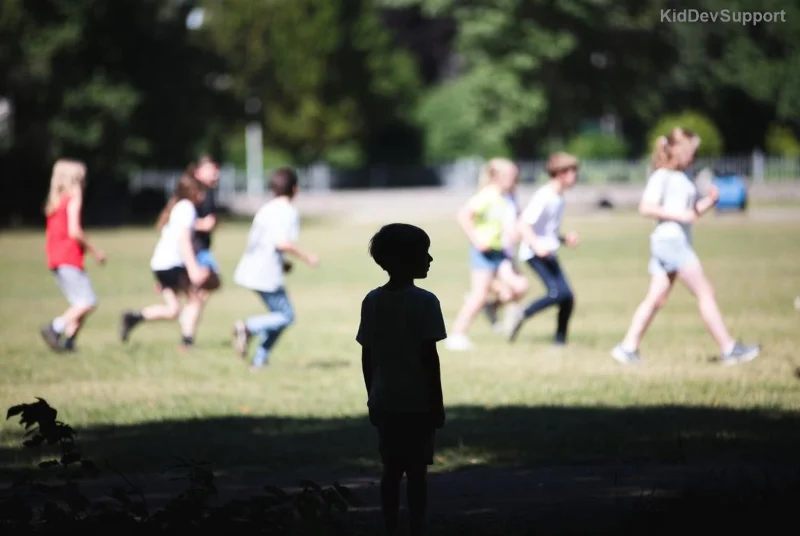
ADHD affects millions of children worldwide, impacting executive functions like focus and emotional regulation. Recent studies highlight that kids with ADHD are at higher risk for diminished self-esteem due to repeated academic or social setbacks. Without intervention, this can spiral into long-term issues like depression or poor peer relationships.
Building self-esteem in children with ADHD starts with empathy. Recognize their efforts over outcomes. Praise specific behaviors, such as "I love how you kept trying on that puzzle!" This shifts focus from failures to growth, fostering resilience. Curious about practical steps? Let's dive into actionable strategies.
Strategy 1: Create a Strengths-Focused Environment
Shift from deficits to strengths. Children with ADHD excel in creativity, energy, and hyperfocus on passions. Highlight these daily. Use a strengths chart to track wins, visible on the fridge.
| Strength |
Daily Activity |
Reward Idea |
| Creativity |
Art time |
Display artwork 🖼️ |
| Energy |
Outdoor sports |
High-five badge 🏅 |
| Hyperfocus |
Hobby sessions |
Share with family |
This table empowers you to personalize support. Wondering how routines amplify this? Read on.
![Child with ADHD receiving positive reinforcement]()
Strategy 2: Establish Predictable Routines with Flexibility
Routines reduce overwhelm for ADHD brains. Use visual timers and checklists for mornings or homework. Build in flexibility to avoid rigidity-induced frustration. Latest behavioral research shows this boosts self-efficacy by 30-50% in kids with ADHD.
Tip: Break tasks into 5-minute chunks. Celebrate completions with a "success dance" to wire positive associations. This not only builds skills but skyrockets self-esteem.
Strategy 3: Teach Emotional Regulation Tools
Kids with ADHD feel emotions intensely. Introduce simple mindfulness like "balloon breathing": Inhale to inflate, exhale to deflate. Apps with guided exercises (from trusted sources) make it fun.
For deeper insights, consult resources like CHADD, the leading ADHD advocacy group. Pairing these tools with therapy, such as CBT tailored for ADHD, yields lasting gains in self-esteem.
Strategy 4: Foster Social Successes
Social struggles erode confidence. Encourage structured playdates or clubs matching their interests, like robotics for tech-savvy kids. Role-play conversations to build skills.
Recent guidelines from pediatric experts emphasize peer mentoring programs, proven to enhance belonging and self-esteem in children with ADHD.
![Group of children with ADHD building teamwork]()
Strategy 5: Collaborate with Schools for Accommodations
IEPs or 504 plans are game-changers. Request preferential seating, extra time, or movement breaks. Track progress together, celebrating accommodations as teamwork wins.
A parent-teacher conference checklist ensures alignment:
- Discuss strengths first
- Review accommodations
- Set 1-2 goals
- Schedule follow-ups
Strategy 6: Model and Encourage Positive Self-Talk
Children mirror parents. Swap "You're so careless!" for "Mistakes help us learn—what's your next try?" Books like "What to Do When You Grumble Too Much" reinforce this.
Incorporate daily affirmations: "I am capable and kind." Evidence from child psychology shows this rewires neural pathways for higher self-worth in ADHD kids.
Strategy 7: Celebrate Effort with Non-Material Rewards
Avoid over-relying on prizes; focus on intrinsic motivation. Use "effort stars" leading to family outings. This sustains long-term self-esteem.
Pro tip: Track mood journals to spot patterns. If challenges persist, seek a pediatrician for holistic evaluation. 😊
Common Pitfalls to Avoid
Don't compare siblings or over-criticize. Patience is key—progress is non-linear. Monitor for co-occurring issues like anxiety, addressing them early.
Long-Term Outcomes of Encouraging Self-Esteem in Children with ADHD
Families using these strategies report happier, more resilient kids. Latest longitudinal data links high childhood self-esteem to better adult outcomes, including career success and relationships.
Ready to start? Pick one strategy today. Your child’s confident smile awaits. Share your wins in comments below—what's worked for you? For more, explore CDC ADHD resources.
Empower your child—start building today!