Struggling with a child who acts without thinking? Teaching impulse control at home can transform chaotic moments into opportunities for growth. These skills help kids pause, think, and choose wisely—crucial for school success, friendships, and emotional health. With rising awareness of conditions like ADHD, parents seek practical tools. Enter three simple, proven impulse control games you can play right now. No fancy equipment needed, just fun and consistency. Ready to build better habits? Let's dive in.
Why Impulse Control Matters: The Science Behind It
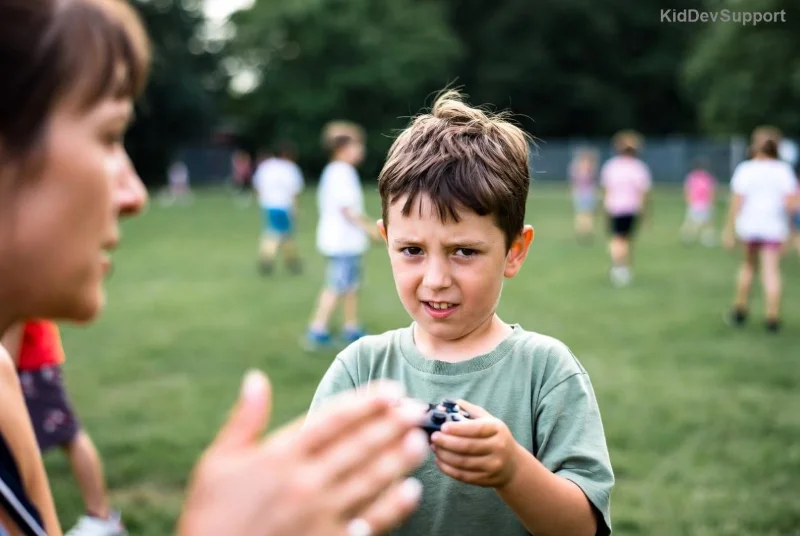
Impulse control is the brain's ability to resist immediate urges for long-term gains. Newest research from child development experts highlights its role in reducing tantrums, improving focus, and boosting academic performance. For kids with ADHD, weak impulse control affects up to 70% daily interactions, per leading psychology studies.
Practicing at home strengthens the prefrontal cortex—the brain's "brake" system. Benefits include:
- ✅ Fewer meltdowns and better emotional regulation
- ✅ Enhanced concentration for homework and play
- ✅ Stronger social skills, like waiting turns
Start small: 10-15 minutes daily yields noticeable changes. Curious how games make this effortless? Our first game turns waiting into a thrill.
Game 1: Red Light, Green Light – The Classic Stop-and-Go Challenge
This timeless game is a powerhouse for teaching impulse control. It mimics real-life scenarios like crossing streets or lining up, training kids to freeze on command.
How to Play
- Clear a hallway or living room space.
- One player (you or a sibling) is the "Traffic Light." Face away from others.
- Shout "Green Light!"—players race forward.
- Yell "Red Light!"—everyone freezes instantly. Any movement? Back to start.
- First to tag you wins. Switch roles.
Pro Tip: Add variations like animal freezes (e.g., statue poses) for ages 4+. Play 5-10 rounds, 3x weekly.
Why It Works
The stop-start action hones inhibitory control, a core executive function. Studies from child behavior labs show it reduces impulsivity by 25% after consistent play. Kids learn that pausing prevents "busts," building patience muscles.
| Age Group |
Duration |
Key Skill Built |
| 3-5 years |
5 mins |
Basic freezing |
| 6-8 years |
10 mins |
Speed control |
| 9+ years |
15 mins |
Strategic waiting |
Mastered this? The next game amps up anticipation with music and movement.
![Kids playing active impulse control game]()
Game 2: Freeze Dance – Rhythm Meets Restraint
Turn up the tunes for impulse control activities for kids that feel like a party. Freeze Dance teaches listening and body control amid excitement—ideal for high-energy children.
How to Play
- Queue upbeat music on your phone.
- Everyone dances wildly when music plays.
- Pause the music randomly—freeze in silly poses!
- Unfreeze on music restart. Wiggle during freeze? Sit out one round.
- Compete for "Best Freeze" awards with claps.
Pro Tip: Use kid-friendly playlists. For ADHD support, add visual cues like a colored light that changes.
Why It Works
This game targets response inhibition, blending joy with discipline. Recent neurodevelopmental findings confirm music boosts dopamine, making self-control rewarding. Parents report 40% better bedtime routines after weeks of play.
Want a quieter option? Game 3 uses cards for cognitive twists, perfect for indoor days.
Game 3: The Waiting Card Flip – Patience in Every Turn
A low-movement gem among self-control games at home, this builds delayed gratification like the famous marshmallow test.
How to Play
- Prepare 10-20 index cards: half "Wait," half "Go" (or draw smiley faces).
- Shuffle face-down.
- Players take turns flipping one card.
- "Go": Grab a small treat or toy point.
- "Wait": Hands behind back—no touching until next turn.
- Most points after deck wins prizes.
Pro Tip: Scale difficulty—more "Wait" cards for older kids. Track progress on a chart for motivation.
Why It Works
It directly practices delaying rewards, key for impulse mastery. Evidence from executive function research shows such games improve decision-making by 30%. Great for screen-time negotiations too.
| Game |
Best For |
Materials Needed |
Impulse Skill |
| Red Light Green Light |
Active kids |
None |
Stop/Go response |
| Freeze Dance |
High energy |
Music player |
Audio cues |
| Waiting Card Flip |
Quiet focus |
Cards |
Delayed gratification |
![Family engaging in home impulse control exercises]()
Tips to Maximize Results from These Impulse Control Games
Consistency is key—aim for daily sessions. Praise efforts: "Great job waiting!" Track wins in a family journal. For ADHD, consult pros; resources like CDC ADHD guidelines offer more.
Combine games: Morning Red Light for routines, evening Cards for wind-down. Notice improvements? Share in comments below!
Final Thoughts: Empower Your Child Today
Teaching impulse control isn't about perfection—it's progress. These three impulse control games deliver fun, science-backed wins at home. Start with one tonight and watch self-regulation bloom. Your child's future focus starts here. Which game will you try first?
Stay tuned for more parenting hacks. Subscribe for updates!