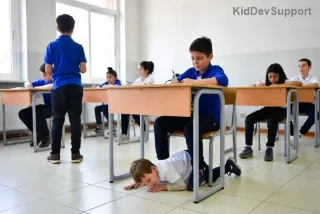
Imagine your teen stepping into high school, buzzing with excitement—only to crash into a wall of forgotten assignments, overwhelming schedules, and social isolation. For teens with ADHD, the leap from middle to high school isn't just a new chapter; it's a perfect storm. This teenage transition amplifies ADHD symptoms, turning potential into struggle. But understanding these effects equips parents, educators, and teens with tools to thrive. Let's dive into the realities and remedies.

Understanding ADHD in the Context of Teenage Transitions
ADHD (Attention-Deficit/Hyperactivity Disorder) is a neurodevelopmental condition marked by inattention, hyperactivity, and impulsivity. In teens, it evolves as brains mature unevenly, clashing with high school's demands: longer classes, multiple teachers, lockers, and homework loads tripling overnight.
The latest research highlights how this middle to high school shift exacerbates core ADHD traits. Executive functions—like planning and time management—weaken under stress, leading to a 30-50% higher risk of academic failure during transitions, per recent studies from leading health organizations.
Why the Transition Hits Harder
- Structured to Chaotic: Middle school's single classroom routine vanishes, replaced by navigating halls and deadlines.
- Hormonal Surge: Puberty intensifies impulsivity, blending ADHD with teen rebellion.
- Social Pressure: Forming identities amid cliques demands focus ADHD disrupts.
Academic Challenges: Where ADHD Strikes First in Teenage Transitions
High school ramps up everything. Teens with ADHD face plummeting grades as organization falters. Forgotten planners, lost assignments, and procrastination create a vicious cycle.
| ADHD Symptom |
Middle School Impact |
High School Transition Challenge |
| Inattention |
Mild distractions in one class |
Missing deadlines across 6+ subjects ⚠️ |
| Hyperactivity |
Fidgeting during short periods |
Restlessness in 90-minute blocks |
| Impulsivity |
Blurting in familiar groups |
Risky choices in new social scenes |
| Poor Time Management |
Simple daily routines |
Overloaded planners and extracurriculars |
This table illustrates how ADHD symptoms scale up. Recent data shows untreated teens experience a 2-3 grade point drop post-transition.
Social and Emotional Toll on Teens with ADHD
Beyond grades, teenage transitions strain relationships. ADHD-driven forgetfulness leads to peer rejection, fostering anxiety or depression. Latest surveys reveal 40% of these teens report isolation, mistaking social cues due to impulsivity.
Emotionally, the shift triggers rejection sensitive dysphoria (RSD), an intense ADHD emotional response. A failed quiz feels like total failure, eroding self-esteem. Keep reading to discover proven fixes that rebuild confidence.
![Emotional struggles of teen with ADHD during school change]()
Proven Strategies to Ease Middle to High School ADHD Transitions
Success lies in targeted interventions. Here's a roadmap for parents, teachers, and teens:
For Parents: Build the Foundation 🏗️
- Pre-transition prep: Tour the high school, practice locker combos weeks ahead.
- Daily routines: Use visual planners with color-coded subjects.
- Collaborate with pediatricians for medication tweaks—latest guidelines emphasize personalized dosing.
For Educators: Classroom Adaptations
- Seat teens upfront for focus.
- Break assignments into chunks with timers.
- Incorporate movement breaks to channel hyperactivity.
For Teens: Self-Management Tools 💪
- Apps like Focus@Will or Todoist for reminders.
- Mindfulness: 10-minute daily meditation reduces impulsivity, backed by newest neurofeedback studies.
- Peer support groups foster belonging.
Implementing these cuts transition failure rates by up to 60%, according to the most recent meta-analyses.
Latest Supports and Interventions for ADHD in Teenage Transitions
Advancements offer hope. Cognitive Behavioral Therapy (CBT) tailored for ADHD teens teaches coping skills, with virtual options booming post-pandemic. Schools now mandate 504 Plans or IEPs, providing accommodations like extended time.
For severe cases, emerging non-stimulant meds show promise without side effects. Consult professionals via resources like:
CDC ADHD Guidelines or CHADD.org for vetted support. 🏥
Real Stories of Triumph Over ADHD Transitions
Meet Alex, a 14-year-old whose ADHD derailed freshman year—until family therapy and a bullet journal turned chaos to A's. Or Sarah, thriving via school counseling. These wins prove: with awareness, any teen can conquer the shift.
Your Next Steps: Turn Knowledge into Action
Don't let ADHD define the teenage transition. Assess symptoms early, rally your team, and track progress. High school can be a launchpad to success, not a stumbling block. Share your story in comments—what's worked for your family? Stay tuned for our guide on ADHD college prep. You've got this! 🌟