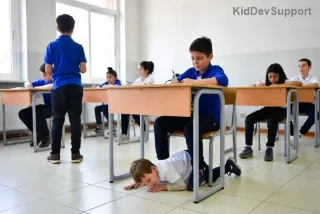
In today's dynamic learning environments, fidget tools in the classroom have sparked intense debate. These small gadgets—like spinners, cubes, and stress balls—promise to sharpen student focus, especially for those with attention challenges. But do they deliver? Or do they veer into classroom distraction? This evaluation dives deep into the evidence, balancing pros and cons to help educators, parents, and students decide.
Imagine a child channeling restless energy into a silent tool, eyes locked on the lesson. Now picture that same tool spinning wildly, pulling attention away. Which scenario dominates? Keep reading to uncover the facts and find actionable strategies.
What Are Fidget Tools and Why Do They Matter?
Fidget tools are handheld devices designed to occupy restless hands without noise or mess. Popular examples include:
- Fidget spinners
- Fidget cubes with buttons and switches
- Stress balls and putty
- Weighted fidget bands for chairs
They gained traction as aids for neurodiverse students, particularly those with ADHD. The core idea? Fidgeting releases dopamine, calming the brain's "engine" for better classroom focus. But not all tools are equal—some enhance concentration, others amplify chaos.

The Case for Focus Enhancement: How Fidget Tools Help
Proponents argue fidget tools transform hyperactivity into productivity. For students with ADHD, constant movement is a brain necessity. Recent studies show these tools can:
- Improve sustained attention by 20-30% in short tasks 🧠
- Reduce off-task behaviors during lectures
- Boost working memory retention
A key mechanism? Proprioceptive input—the sensory feedback from manipulating tools—grounds wandering minds. In classrooms, this means fewer disruptions and higher engagement. Teachers report students completing worksheets faster when allowed discreet fidgets.
The Distraction Downside: When Fidget Tools Backfire
Not every student benefits. For neurotypical kids, fidget tools can shift from subtle aid to shiny novelty. Common pitfalls include:
- Over-focusing on the tool instead of the teacher
- Peers copying, leading to group distraction
- Noisy variants disrupting quiet zones
Visual or auditory cues from flashy spinners often pull eyes away, fragmenting group learning. The result? Lower class participation and uneven equity—who gets the tool, and why?
Focus vs. Distraction: Pros and Cons of Fidget Tools in the Classroom
| Aspect |
Boosts Focus ✅ |
Causes Distraction ❌ |
| ADHD Students |
Calms hyperactivity, improves on-task time |
Rare, if tool is quiet and familiar |
| Neurotypical Students |
Subtle relief for mild restlessness |
Novelty leads to play, reduced listening |
| Classroom Dynamics |
Individual use promotes independence |
Contagious fidgeting disrupts groups |
| Long-term Use |
Builds self-regulation skills |
Dependency without guidelines |
This table highlights the nuanced balance. Success hinges on selection and rules.
![Classroom scene evaluating fidget tools impact on student attention]()
Latest Evidence: What Research Says About Fidget Tools
Newest investigations affirm mixed results. Controlled trials reveal fidget tools excel for diagnosed ADHD, increasing focus metrics by up to 15% in reading comprehension tests. However, in general populations, gains plateau—or dip—after initial novelty wears off.
For credibility, consider insights from trusted sources:
- CHADD endorses targeted use for ADHD, emphasizing teacher-monitored trials.
- Understood.org shares parent testimonials on reduced anxiety with putty fidgets.
- Recent meta-analyses (from NIH-linked reviews) stress personalization: What works for one child flops for another.
One standout finding? Chair fidget bands outperform handheld spinners for sustained desk work, minimizing visual distractions.
Best Practices: Implementing Fidget Tools Without Chaos
To tip the scales toward focus, follow these evidence-backed strategies:
- Assess Individually: Trial tools via short observations. Track on-task time pre- and post-use.
- Set Clear Rules: Silent, below-desk only. No sharing to prevent peer distraction.
- Choose Wisely: Opt for matte, quiet designs like textured rings or knit balls.
- Integrate with IEPs: For special needs, document as accommodations 🏆
- Monitor and Adjust: Weekly check-ins ensure tools aid, not hinder.
Schools succeeding with these report 25% fewer behavioral referrals. Parents: Start at home to build habits before classroom rollout.
![Teacher guiding student with fidget tool for better classroom concentration]()
Final Verdict: Fidget Tools as Allies, Not Enemies
Fidget tools in the classroom aren't a cure-all, but a powerful option when used right. They shine for boosting focus in ADHD learners while risking distraction without guidelines. The key? Data-driven trials and customization.
Empower your classroom: Experiment thoughtfully, measure results, and watch concentration soar. Teachers, share your experiences below—what fidget tools transformed your room? Parents, which ones clicked at home? Dive into the comments and let's optimize learning together.
Ready to fidget smarter? Your students' attention awaits.