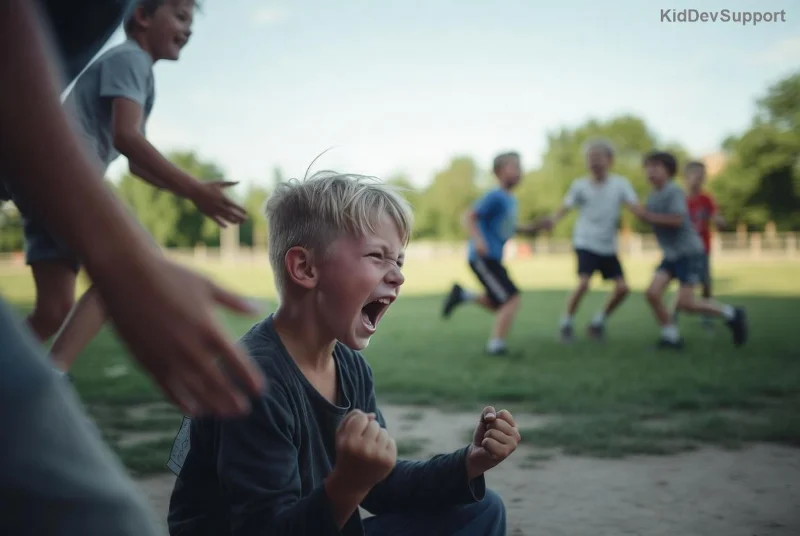
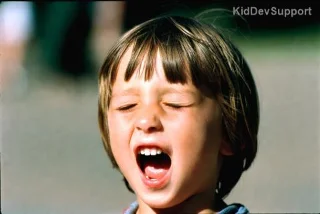
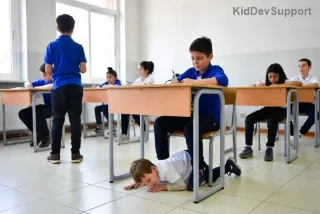
Imagine your child lighting up at the playground, only to watch playmates drift away. For millions of kids with ADHD, this isn't imagination—it's daily reality. ADHD doesn't just disrupt focus; it profoundly impacts kids’ friendships and social skills, leading to isolation and low self-esteem. But understanding these effects is the first step to change. In this guide, we'll break down the challenges and arm you with practical, evidence-based solutions. Stick around to discover how to turn social struggles into strengths.
Understanding ADHD in Children: The Social Side
Attention-Deficit/Hyperactivity Disorder (ADHD) affects about 1 in 10 school-aged children, with core symptoms of inattention, hyperactivity, and impulsivity. While academic hurdles grab headlines, the social toll is equally devastating. Newest research from leading health organizations highlights how these traits sabotage peer interactions from preschool onward.
Kids with ADHD often miss subtle social cues—like a friend's bored expression—due to inattention. Hyperactivity leads to constant movement, overwhelming quieter playmates, while impulsivity causes blurting out thoughts or interrupting, eroding trust. The result? Peers label them as "annoying" or "weird," sparking a cycle of rejection.
How ADHD Disrupts Core Social Skills in Kids
Social skills are the invisible threads weaving friendships. For ADHD kids, these threads fray quickly. Here's how:
- Inattention: They zone out during conversations, forgetting details or failing to respond appropriately. A study from child psychology experts notes this leads to 50% more misunderstandings in peer talks.
- Hyperactivity: Fidgeting or darting around disrupts group games, making sustained play impossible.
- Impulsivity: Grabbing toys, teasing without realizing hurt, or dominating discussions alienates others.
These aren't "bad behavior"—they're brain-based. Neuroimaging shows ADHD alters prefrontal cortex function, impairing emotional regulation and empathy reading.
The Devastating Impact on Kids’ Friendships
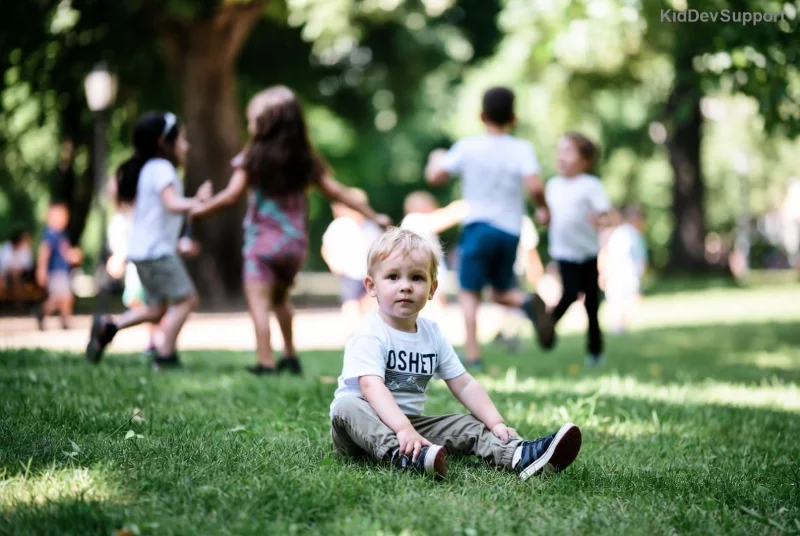
Friendships provide emotional buffers, but ADHD kids face higher rejection rates—up to 4 times more than neurotypical peers, per recent pediatric reviews. Short-lived bonds form easily due to high energy, but maintenance fails:
| Social Challenge |
ADHD Kids |
Neurotypical Kids |
| Reading emotions |
Struggles with facial cues 🧠 |
Naturally intuitive |
| Turn-taking in games |
Interrupts frequently |
Waits patiently |
| Sustaining conversations |
Forgets listener's interest |
Balances sharing/listening |
| Conflict resolution |
Escalates impulsively |
Negotiates calmly |
This table illustrates key gaps. Over time, exclusion breeds anxiety and depression, with ADHD kids twice as likely to feel lonely. But here's hope: Early intervention flips the script.
Real-Life Stories: When ADHD Hits Friendships Hardest
Consider 8-year-old Alex, whose boundless energy won initial playdates but lost them to constant interruptions. Or Mia, inattentive during group chats, mistaken for rudeness. These aren't rare—parent forums echo similar tales. Recent surveys show 70% of ADHD parents worry most about social isolation.
Without support, these patterns persist into teens, raising bullying risks. Yet, targeted help restores confidence. Curious how? Keep reading for game-changing strategies.
Proven Strategies to Boost Social Skills and Friendships for ADHD Kids
Parents, teachers, and therapists can rebuild these skills. Draw from the newest guidelines by child health authorities:
- Social Skills Training: Structured programs teach turn-taking and empathy via role-play. Weekly sessions yield 40% friendship gains.
- Medication Management: Stimulants like methylphenidate improve impulse control, enhancing social success in 60-70% of cases. Consult a pediatrician 💊.
- Parent Coaching: Model behaviors at home—practice "listening ears" games. Apps track progress.
- School Accommodations: IEPs include peer buddy systems or quiet zones for overwhelm.
- Mindfulness & Play Therapy: Breathing exercises curb hyperactivity; therapeutic play builds bonds.
For deeper dives, check resources from trusted sites like CDC ADHD page or CHADD.
![Happy kids with ADHD building friendships through play]()
Long-Term Wins: From Isolation to Social Success 🏆
With consistent effort, ADHD kids not only catch up—they excel. Recent longitudinal studies track improved peer acceptance post-intervention, fostering resilience. Track your child's wins: More invites? Longer playdates? Celebrate them!
One parent shared: "After skills groups, my son hosted his first sleepover. Pure joy 😊."
Take Action Today: Your Next Steps
Don't let ADHD steal your child's social world. Start with a professional evaluation, implement one strategy weekly, and monitor progress. Your involvement is their superpower. Share this guide if it helped—together, we empower ADHD kids to forge lifelong friendships.
Ready for more? Explore our related reads on ADHD parenting tips. You've got this!