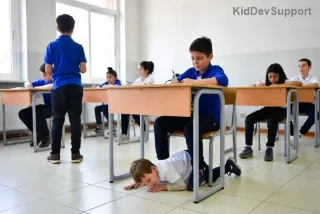
Imagine your toddler constantly on the move, knocking over toys, struggling to sit through a story, or zoning out during playtime. These aren't just "energetic kid" moments—they could be signs of ADHD in young children. Attention Deficit Hyperactivity Disorder (ADHD) affects millions of kids worldwide, but early red flags in toddlers and preschoolers are often overlooked. Spotting them early can lead to timely intervention, better outcomes, and a happier family life. In this guide, we'll break down the key indicators, backed by the latest expert insights, so you can act confidently. 👨⚕️

What is ADHD and Why Focus on Young Children?
ADHD is a neurodevelopmental disorder characterized by persistent patterns of inattention, hyperactivity, and impulsivity that interfere with daily functioning. In young children (ages 2-5), symptoms often emerge during play, routines, or social interactions. According to the latest guidelines from health authorities, early detection is crucial because the brain is highly plastic at this stage, allowing for effective strategies like behavioral therapy.
Unlike typical toddler energy, ADHD signs in young children are extreme, frequent, and disruptive. They don't "grow out of it"—without support, challenges can persist into school years.
Key Categories of Signs of ADHD in Young Children
Early red flags fall into three main types: inattention, hyperactivity, and impulsivity. Here's how they show up in toddlers and preschoolers:
1. Inattention: The "Zoning Out" Red Flags
- Struggles to focus on simple tasks like stacking blocks for more than a minute.
- Frequently loses toys, snacks, or clothes because they wander off.
- Doesn't respond when called by name, even in quiet settings.
- Avoids or resists quiet activities like puzzles or coloring.
- Daydreams excessively during conversations or stories.
These signs of ADHD in young children might look like a child who seems "in their own world," missing basic cues from parents or caregivers.
2. Hyperactivity: Non-Stop Motion Warnings
- Constantly fidgets, squirms, or climbs furniture inappropriately.
- Runs or climbs in unsafe situations, unable to stay seated during meals.
- Talks excessively, blurting words without pause.
- Struggles with quiet play, preferring rough-and-tumble chaos.
- Sleeps poorly, resisting bedtime with endless energy.
Hyperactive toddlers aren't just active—they're like engines that never idle, leading to exhaustion for everyone involved.
3. Impulsivity: Acting Without Thinking
- Interrupts others constantly, grabbing toys mid-play.
- Has meltdowns over small frustrations, unable to wait turns.
- Rushes into danger, like darting into streets without looking.
- Struggles with sharing, snatching items impulsively.
- Makes noise inappropriately, like shouting in libraries.
![Toddler displaying ADHD inattention signs]()
Table: ADHD Signs in Young Children vs. Typical Toddler Behavior
| Behavior |
Typical Toddler |
ADHD Red Flag |
| Attention Span |
Short bursts (5-10 mins), improves with interest |
Under 1-2 mins even for fun activities |
| Sitting Still |
During meals/snacks, with reminders |
Constant wiggling, leaves seat repeatedly |
| Waiting Turns |
Occasional impatience, learns with practice |
Always interrupts, grabs without hesitation |
| Emotional Control |
Tantrums occasional, short-lived |
Frequent, intense outbursts over minor issues |
This table highlights how early red flags stand out from normal development. If 6+ signs persist across settings (home, daycare), it's time to dig deeper.
Other Early Red Flags Often Overlooked
- Delayed Speech or Motor Skills: Some kids show speech delays alongside ADHD traits.
- Sensory Sensitivities: Overreacts to sounds, textures, or lights.
- Social Struggles: Plays alone or bullies peers due to impulsivity.
- Family History: Runs in families—check if relatives have ADHD.
- Sleep and Eating Issues: Resists routines, leading to fatigue-fueled symptoms.
- Extreme Emotions: Rapid shifts from joy 😊 to frustration 😞.
For more details, consult resources like the CDC ADHD page or CHADD.
When to Seek Help: Next Steps for Parents
If you notice multiple signs of ADHD in young children, don't wait. Start with your pediatrician for a screening. The latest protocols emphasize comprehensive evaluations, including parent/teacher input and observations.
Diagnosis Process:
- Developmental history review.
- Behavior rating scales (e.g., Vanderbilt Assessment).
- Rule out other issues like hearing problems or anxiety.
Treatment Options (non-medication first for young kids):
- Parent training programs 🏆.
- Behavioral therapy to build routines.
- Classroom accommodations like visual schedules.
- Medication if needed after age 4-5, per expert guidelines.
Supporting Your Child: Practical Tips
While awaiting professional advice:
- Create predictable routines to reduce chaos.
- Use positive reinforcement—praise good focus 🎉.
- Break tasks into tiny steps.
- Limit screens; encourage physical play.
- Join parent support groups for shared wins.
Early action leads to success stories: many kids with ADHD excel with the right tools. 💪
Conclusion: Act on These Early Red Flags Today
Recognizing signs of ADHD in young children empowers you to guide your little one toward a bright future. From inattention to hyperactivity, these red flags are signals for support, not judgment. Consult a doctor soon—your vigilance could change everything. Share your experiences in the comments and subscribe for more parenting insights! What's one sign you've noticed?