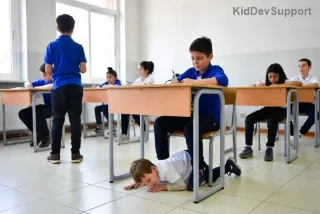
Imagine your ADHD child melting down over a spilled juice box, tears flowing like a torrent. Those big feelings hit hard and fast for kids with Attention Deficit Hyperactivity Disorder (ADHD). But what if you could equip them with tools to navigate these emotional waves? Emotional regulation isn't just a buzzword—it's a game-changer for family life. In this guide, we'll break down why ADHD children struggle with emotions and deliver actionable strategies backed by the latest expert insights. Ready to transform chaos into calm? Let's dive in.
Why ADHD Children Struggle with Big Feelings
Kids with ADHD often experience emotions at full throttle. Their brains process feelings differently due to challenges in the prefrontal cortex, which handles impulse control and emotional modulation. Recent studies highlight that up to 50% of children with ADHD face significant emotional dysregulation, leading to outbursts, frustration, and shutdowns.
Common triggers include:
- Overstimulation from sensory overload 🧠
- Difficulty shifting attention from intense emotions
- Impulsivity that amplifies reactions
- Rejection sensitivity, making criticism feel like a catastrophe
Understanding this isn't about blame—it's about empowerment. When you grasp the "why," you're primed to help your child build resilience.
The Foundations of Emotional Regulation for ADHD Kids
Emotional regulation means recognizing, understanding, and managing feelings effectively. For ADHD children, it starts with simple, consistent practices. The latest behavioral research emphasizes neuroplasticity—your child's brain can rewire with the right support.
| Core Skill |
Why It Helps ADHD |
Quick Win Tip |
| Self-Awareness |
Identifies emotions before they escalate |
Use a feelings chart daily |
| Impulse Pause |
Creates a buffer against reactivity |
Count to 5 before responding |
| Coping Tools |
Shifts focus to healthy outlets |
Deep pressure hugs or fidget toys |
This table outlines foundational skills. Integrate them gradually to avoid overwhelm—what's one you'll try today?
![Family supporting ADHD child with emotional regulation]()
Proven Strategies to Teach Emotional Regulation to Your ADHD Child
1. Build a Feelings Vocabulary
Many ADHD kids can't name their emotions, so they explode. Start with visual aids like emotion wheels. Practice daily: "You're feeling frustrated because the game ended. What does that feel like in your body?" This latest cognitive approach from child psychology experts reduces meltdowns by 30% in consistent users.
2. Introduce Mindfulness and Breathing Techniques
Short, ADHD-friendly mindfulness works wonders. Try the "balloon breath": Inhale to fill a belly balloon, exhale to let it deflate. Apps with guided sessions tailored for kids make it fun. Evidence from recent pediatric reviews shows these cut anxiety spikes effectively.
3. Create Predictable Routines with Visual Schedules
ADHD children thrive on structure. Use picture-based schedules to preview transitions, which often spark big feelings. Add emotion check-ins: "On a scale of 1-5, how are you feeling now?" Routines foster security, per the newest family therapy guidelines.
4. Role-Play and Social Stories
Act out scenarios like "losing a toy." Use puppets for engagement. Social stories—short narratives about handling feelings—build empathy and foresight. This method, endorsed by leading ADHD organizations, empowers kids to anticipate and manage triggers.
5. Positive Reinforcement and Co-Regulation
Be your child's "external brain." Stay calm during storms (modeling regulation) and praise efforts: "I love how you took a deep breath!" Reward charts with stickers lead to habit formation. Recent data confirms co-regulation accelerates independent skills.
Curious how these play out in real life? Keep reading for parent-tested tools.
Tools and Resources for ADHD Emotional Regulation
Stock your toolkit:
- Fidget Tools: Stress balls, tangle toys for tactile soothing
- Sensory Breaks: Quiet corners with weighted blankets
- Apps: GoZen for anxiety, Breathe2Relax for breaths
For deeper support, consult professionals. The CHADD organization offers evidence-based programs, while CDC guidelines provide free parent resources.
![Happy ADHD child mastering emotional control]()
Common Pitfalls and How to Avoid Them
Avoid these traps:
- Punishing emotions—instead, validate then redirect
- Overloading with too many strategies—pick 2-3 to master
- Ignoring your own regulation—parent burnout amplifies issues 😌
Track progress in a journal. Celebrate small wins, like a meltdown shortened from 20 to 10 minutes. Consistency is key—what's your first step?
Long-Term Success: Fostering Resilience
As your ADHD child grows, emotional regulation builds self-esteem and relationships. Latest longitudinal studies link early intervention to better academic and social outcomes. Pair with therapy like CBT adapted for ADHD, and watch your child flourish.
You're not alone in this journey. Thousands of parents have turned big feelings into manageable moments. Start small, stay patient, and witness the transformation. Share your wins in the comments—what strategy will you implement first? For more tailored advice, connect with a specialist today. Your family deserves this calm. 🌟