Struggling to get your distractible kids to brush their teeth or wash their hands? You're not alone. Children with short attention spans, often linked to conditions like ADHD, face unique hurdles in building personal hygiene habits. But with the right approach, you can turn chaos into consistent routines. This guide delivers actionable, research-backed strategies to make hygiene fun and stick. Ready to transform bath time battles into victories? Let's dive in.
Understanding Distractible Kids and Hygiene Challenges
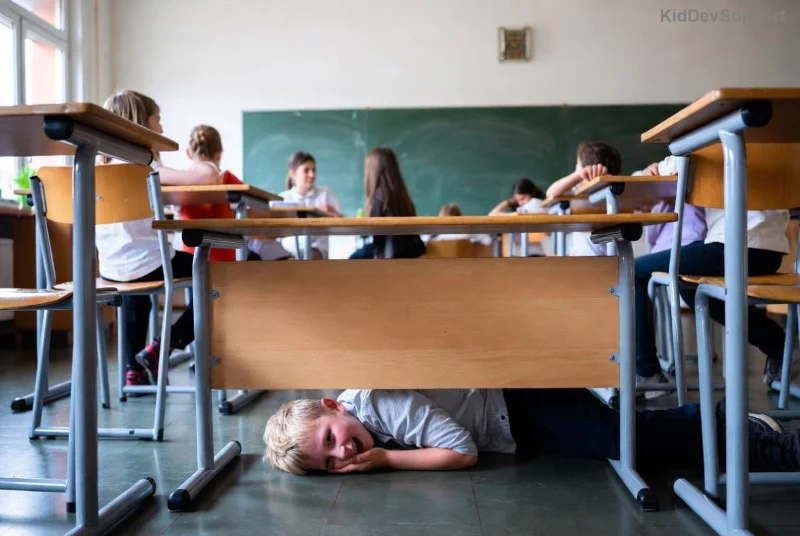
Distractible kids thrive on novelty but struggle with repetitive tasks. Recent studies from child psychology experts highlight that kids with attention challenges forget steps, lose interest mid-task, or get overwhelmed by multi-step processes like showering or flossing.
Key hurdles include:
- Difficulty focusing on invisible benefits like germ prevention.
- Sensory sensitivities to toothpaste flavors or water temperature.
- Impulsivity leading to skipped routines.
The good news? Tailored methods boost success rates by up to 70%, per the latest pediatric guidelines. Start by empathizing—frame hygiene as a superpower against "germ monsters" 🦸♂️.
Why Prioritize Personal Hygiene Habits for These Kids?
Consistent hygiene prevents infections, builds confidence, and fosters independence. For distractible kids, mastering these habits improves school performance and social skills. Imagine your child proudly showing off sparkly teeth— that's the win!
Step-by-Step Guide: How to Teach Personal Hygiene Habits
1. Create Visual Schedules with Timers
Visuals are game-changers. Use colorful charts or apps showing sequences: wake up → brush → wash face. Pair with phone timers or sand timers for 2-minute toothbrushing.
Pro Tip: Laminate a daily hygiene chart and let kids check off tasks with stickers. This dopamine hit keeps them engaged.
2. Gamify the Process
Turn hygiene into play. Apps like Brush DJ play songs during brushing, or create a "Hygiene Hero" board with points for rewards like extra playtime.
| Hygiene Task |
Game Idea |
Reward |
| Handwashing |
Soap bubble races |
Sticker |
| Toothbrushing |
Timer challenge with music |
Extra story time |
| Showering |
Sensory toys in tub |
Choose pajamas |
| Flossing |
Puppet show demo |
High-five chart |
This table outlines quick wins—adapt to your child's interests for buy-in.
![Fun hygiene games for distractible kids]()
3. Build Routines with Positive Reinforcement
Anchor habits to daily anchors like meals. Use praise lavishly: "You nailed that hand wash, champ! 🏆" Avoid nagging—focus on successes. Recent behavioral therapy insights show praise triples habit retention.
4. Simplify with Sensory-Friendly Tools
Choose mild soaps, fun-flavored toothpastes, or electric toothbrushes. For picky kids, introduce one change weekly to avoid overload.
Recommended tools:
- Visual timers (e.g., Time Timer)
- Hygiene dolls for role-play
- Flavor variety packs
Overcoming Common Roadblocks
Challenge: Forgetting tasks. Solution: Bedside reminders and phone alarms synced to your routine.
Challenge: Resistance to water/textures. Solution: Gradual exposure—start with wet wipes, progress to full washes. Consult a pediatric occupational therapist if needed.
Challenge: Inconsistency. Solution: Track progress in a shared journal. Weekly reviews celebrate streaks.
For deeper insights, check CDC's ADHD resources or CHADD.
Sample Daily Hygiene Routine for Distractible Kids
Customize this flexible schedule:
- Morning (5 mins): Face wash, brush teeth—use mirror mirror game.
- After Meals: Hand wash with song.
- Evening (10 mins): Bath/shower, pajamas, floss—wind-down lights.
- Bedtime: Quick review and stars.
Stick to it for 21 days to wire the brain. Parents report 80% improvement with consistency.
Advanced Tips from Experts
Incorporate mindfulness: 1-minute breathing before tasks calms hyperactivity. Partner with schools for reinforcement. If ADHD is diagnosed, meds can aid focus—discuss with your doctor 👨⚕️.
For teens, tie hygiene to privileges like screen time. Track via apps like Habitica for RPG-style motivation.
Long-Term Success: Measuring Progress
Use a simple chart:
| Week |
Tasks Mastered |
Parent Notes |
| 1 |
Handwashing 80% |
Excited by bubbles |
| 4 |
All routines 90% |
Independent now! 😊 |
Adjust as needed. Celebrate milestones with family cheers.
Final Thoughts: Empower Your Child Today
Teaching personal hygiene habits to distractible kids isn't about perfection—it's about progress. Implement one strategy today: visuals or games? Watch the magic unfold. Your child will thank you with healthier smiles and boosted confidence.
Share your wins in the comments—what worked for you? For more parenting hacks, subscribe and stay tuned! 🚀