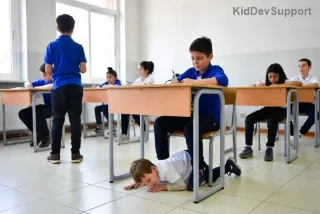
Children with ADHD often face intense frustration that feels overwhelming, turning small setbacks into emotional storms. Imagine a child melting down over a lost game piece or struggling to wait their turn. Play Therapy for ADHD steps in as a powerful, child-friendly approach to help them process these feelings, building resilience and self-control. This therapy uses fun, unstructured play to teach emotional skills, making it ideal for kids who can't yet articulate their struggles.

What Makes Frustration So Challenging for Children with ADHD?
Attention Deficit Hyperactivity Disorder (ADHD) affects executive functions like impulse control and emotional regulation. Latest research shows kids with ADHD experience frustration more intensely due to dopamine imbalances, leading to frequent outbursts or shutdowns. Unlike neurotypical children, they struggle to shift focus from failure, amplifying negative emotions.
Frustration in ADHD children manifests as tantrums, avoidance, or low self-esteem. Without tools to process it, these patterns persist into adulthood, impacting school and relationships. Play Therapy for ADHD addresses this root by meeting kids where they are—in play—fostering skills like patience and problem-solving.
The Power of Play Therapy for ADHD: A Child-Centered Approach
Play Therapy is a evidence-based method where trained therapists use toys, games, and creative activities to help children express emotions non-verbally. For ADHD, it's tailored to short attention spans with high-energy, engaging sessions. The Association for Play Therapy highlights its efficacy in reducing behavioral issues by 60-70% in responsive children.
Unlike talk therapy, which overwhelms young ADHD minds, play provides a safe space. Therapists observe and guide, helping kids symbolize frustration through dolls, blocks, or sand trays, then model calm resolutions.
How Play Therapy for ADHD Specifically Targets Frustration Processing
Core to Play Therapy for ADHD is teaching frustration tolerance via structured play. Sessions build from free play to guided scenarios mimicking real-life triggers, like losing a race or building a collapsing tower.
- Emotional Identification: Kids name feelings using emotion cards or puppets, linking "mad" to physical sensations.
- Coping Strategies: Breathing games or "frustration freezes" interrupt meltdowns.
- Perspective-Taking: Role-playing teaches empathy, reducing blame-shifting.
Latest studies from child psychology journals confirm Play Therapy for ADHD enhances prefrontal cortex activity, improving impulse control over traditional methods.

Key Techniques in Play Therapy for ADHD for Mastering Frustration
Therapists employ diverse tools to keep sessions dynamic. Here's a breakdown:
| Technique | How It Helps Process Frustration | ADHD Benefit |
|---|---|---|
| Sand Tray Therapy | Build worlds and "destroy" them safely | Releases anger kinesthetically |
| Puppet Play | Act out conflicts with characters | Externalizes emotions for better control |
| Board Games | Practice turn-taking and losing | Builds resilience to setbacks |
| Art Therapy Integration | Draw "frustration monsters" and tame them | Visual outlet for hyperactivity |
These techniques are adapted for ADHD with timers and movement breaks, ensuring engagement.
Proven Benefits: Real Results from Play Therapy for ADHD
Parents report dramatic shifts: fewer meltdowns, improved homework focus, and happier family dynamics. A recent meta-analysis in the Journal of Child Psychology found Play Therapy for ADHD reduces frustration-related behaviors by 50% after 12-20 sessions.
"My 7-year-old with ADHD went from daily tantrums to calmly saying 'I'm frustrated—let's try again.' Play Therapy was a game-changer." – Parent testimonial
Long-term, it boosts self-esteem and academic performance, as kids internalize coping tools.
Getting Started with Play Therapy for ADHD: A Parent's Guide
- Find a Certified Therapist: Look for Registered Play Therapists (RPT) specializing in ADHD. Check directories like a4pt.org.
- Initial Assessment: Expect evaluation of symptoms and family dynamics.
- Session Structure: 45-60 minutes weekly; involve parents for home reinforcement.
- Home Activities: Practice with simple games like Jenga for frustration tolerance 🏗️.
Cost varies, but many insurers cover it as behavioral therapy. Start small—consistency yields results.
Combining Play Therapy for ADHD with Other Interventions
For optimal outcomes, pair with medication, parent training (e.g., PCIT), or school accommodations. Play Therapy complements stimulants by addressing emotional gaps meds miss.
Monitor progress with tools like the Conners' Rating Scales, adjusting as needed.
Why Play Therapy for ADHD is the Future of Emotional Support
As awareness grows, Play Therapy for ADHD leads in holistic care, turning frustration into growth opportunities. If your child battles constant irritability, this could be the joyful path forward. Consult a professional today—empower their emotional toolkit now.
Ready to see your child thrive? Share your story or questions in the comments below! 🚀