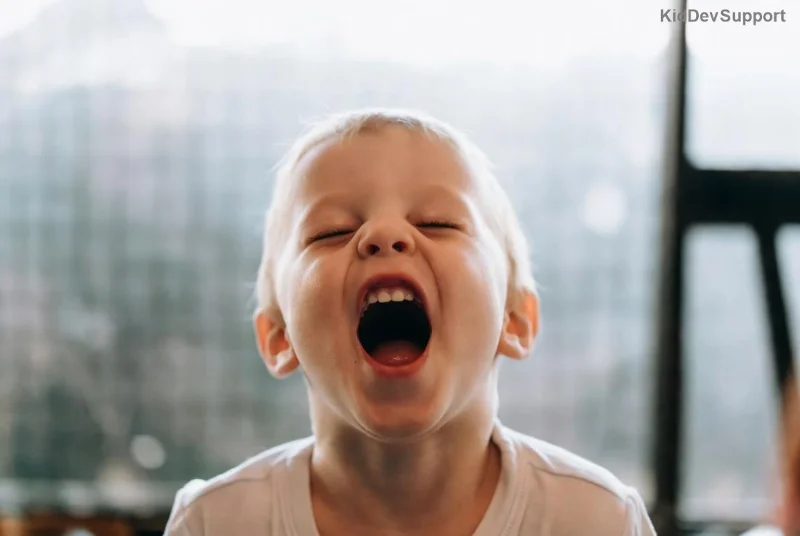
Imagine trying to start your car with a nearly empty fuel tank—it sputters, stalls, and barely moves. That's how an ADHD brain often feels without enough dopamine. This crucial neurotransmitter powers motivation, focus, and reward in the brain. But for the millions living with Attention Deficit Hyperactivity Disorder (ADHD), natural dopamine levels fall short, creating a constant struggle for everyday tasks. Why does this happen? And what can you do about it?
In this guide, we'll dive deep into the science behind why ADHD brains need more dopamine to function, backed by the latest research. Stick around to discover practical ways to bridge the gap and unlock your potential. 🧠

What Is Dopamine and Why Is It Essential for Brain Function?
Dopamine is the brain's "motivation molecule." Produced in areas like the ventral tegmental area (VTA) and substantia nigra, it travels through pathways such as the mesolimbic and mesocortical systems to regulate:
- Focus and attention
- Reward and pleasure
- Motor control and movement
- Executive functions like planning and impulse control
In a typical brain, dopamine surges during rewarding activities—like eating a favorite meal or completing a task—creating a feedback loop that encourages repetition. But in ADHD brains, this system is underpowered. The latest neuroimaging studies using PET and fMRI scans reveal lower baseline dopamine levels and reduced transporter activity, meaning less dopamine reaches key receptors.
The Dopamine Deficit in ADHD: A Neurological Mismatch
ADHD brains need more dopamine because of inherent differences in dopamine signaling. Genetic factors play a huge role—variants in genes like DAT1 and DRD2 impair dopamine transport and receptor density. This leads to:
- Hypofrontality: Reduced activity in the prefrontal cortex, the brain's "CEO" for decision-making.
- Reward processing delays: ADHD individuals require larger, more immediate rewards to feel motivated.
Recent meta-analyses confirm that dopamine deficiency in ADHD isn't just low production but also inefficient clearance. Dopamine transporters (DAT) reuptake dopamine too quickly, starving neurons before they can fully activate. Result? Chronic understimulation, explaining classic ADHD symptoms like procrastination, restlessness, and emotional dysregulation.
ADHD Brain vs. Neurotypical Brain: Dopamine Comparison
| Aspect |
Neurotypical Brain |
ADHD Brain |
| Dopamine Levels |
Balanced baseline |
30-50% lower |
| Receptor Density |
Optimal D2/D3 binding |
Reduced availability |
| Transporter Activity (DAT) |
Moderate reuptake |
Hyperactive clearance |
| Reward Response |
Quick satisfaction |
Delayed or muted |
This table highlights why even simple tasks feel Herculean for those with ADHD. Curious how this plays out daily? Keep reading for symptoms and solutions.
![Illustration of dopamine molecules in ADHD brain]()
Why Exactly Do ADHD Brains Demand Extra Dopamine?
The core issue: ADHD brains need more dopamine to function at neurotypical levels because their reward circuits are desensitized. To achieve the same activation as others, they require amplified signals. Think of it as a dimmer switch stuck on low—turning it up compensates.
Latest research from functional connectivity studies shows disrupted dopamine pathways correlate directly with inattention (r=0.65) and hyperactivity (r=0.58). Without extra dopamine, the nucleus accumbens (pleasure center) fails to "light up," leading to:
- Motivational paralysis: Starting tasks feels impossible without novelty or urgency.
- Hyperfocus imbalance: Intense focus on high-dopamine activities (e.g., video games) but none for mundane ones.
- Emotional volatility: Dopamine modulates mood; shortages amplify rejection sensitivity.
Environmental factors like stress or poor sleep exacerbate this, further depleting dopamine. But here's the good news: targeted interventions can restore balance.
Proven Ways to Boost Dopamine for ADHD Brains
Understanding why ADHD brains need more dopamine opens doors to effective management. Start with evidence-based strategies:
1. Medication: The Dopamine Amplifier 💊
Stimulants like methylphenidate (Ritalin) and amphetamines (Adderall) block DAT reuptake, flooding synapses with dopamine. Non-stimulants like atomoxetine enhance norepinephrine-dopamine crosstalk. Clinical trials show 70-80% response rates, normalizing brain activity per SPECT scans.
For a deeper dive, consult resources like ADDitude Magazine.
2. Lifestyle Hacks for Natural Dopamine Surges
- Exercise: 30 minutes of HIIT boosts dopamine by 20-30%, per recent exercise neuroscience.
- Protein-rich diet: Tyrosine (from eggs, nuts) is dopamine's precursor.
- Sleep optimization: 7-9 hours prevents dopamine receptor downregulation.
- Micro-rewards: Gamify tasks with timers and treats to hack the reward system.
3. Behavioral Therapies
Cognitive Behavioral Therapy (CBT) rewires habits, while mindfulness increases prefrontal dopamine sensitivity. Apps like Focus@Will use dopamine-optimized soundscapes.
![Person achieving focus with ADHD management strategies]()
ADHD Dopamine Myths Busted
Myth: "ADHD is just laziness." Reality: It's a neurochemical shortfall. Latest genetic studies link ADHD to 100+ dopamine-related genes.
Myth: "Stimulants are addictive for ADHD." Fact: At therapeutic doses, they normalize rather than overstimulate due to the brain's baseline deficit.
Your Next Steps: Take Control Today
Now that you know why ADHD brains need more dopamine to function, you're equipped to act. Consult a healthcare professional for personalized assessment—early intervention transforms lives. Track your dopamine boosters with a journal and celebrate small wins. You've got this! 🚀
Share your experiences below or explore our related guides on ADHD treatment options. What strategy will you try first?