Have you ever walked into a room full of people and felt like an invisible outsider? Or struggled to keep up in conversations, leaving you questioning if you truly fit in? If you have ADHD, this nagging sense of not belonging isn't just in your head—it's a common experience rooted in the brain's unique wiring. In this article, we'll dive deep into why does ADHD make you feel like you don’t belong, backed by the latest insights from neuroscience and psychology. Stick around to uncover practical steps to reclaim your place in the world. 🧠
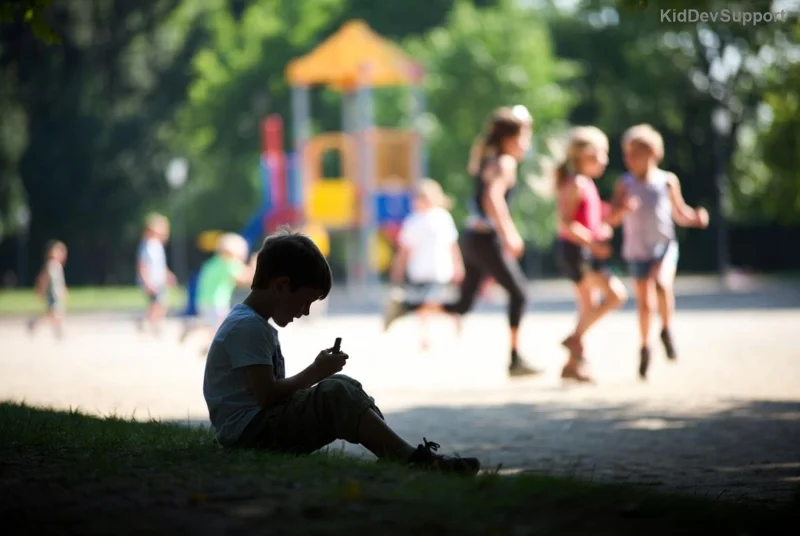
Understanding the ADHD Brain: A Mismatch with Neurotypical Norms
ADHD (Attention Deficit Hyperactivity Disorder) isn't just about hyperactivity or forgetfulness—it's a neurodevelopmental condition affecting how your brain processes attention, emotions, and impulses. The latest research shows that people with ADHD have differences in dopamine regulation, leading to challenges in executive function—the brain's "CEO" for planning, organizing, and self-regulating.
This mismatch creates a constant friction in everyday life. Neurotypical people glide through routines effortlessly, while ADHD brains crave novelty and struggle with sustained focus. Result? You feel out of sync, like you're playing life on hard mode while everyone else is on easy. But why does this translate to feeling like you don’t belong?
Key Reasons ADHD Fuels the "Outsider" Feeling
Let's break it down into core factors. Each one builds a case for why ADHD can make social and emotional belonging feel elusive.
1. Executive Dysfunction: The Invisible Barrier
Executive dysfunction in ADHD disrupts time management, task initiation, and follow-through. You might arrive late to events, forget shared plans, or zone out mid-conversation. To others, this looks like unreliability; to you, it's an exhausting battle against your brain.
This leads to repeated "failures" in group settings, eroding your confidence and sense of fit. Imagine always being the one who drops the ball—over time, you internalize it as "I don't belong here."
2. Social Challenges and Miscommunications
ADHD often involves impulsivity and hyperfocus, making interactions unpredictable. You might interrupt excitedly, miss nonverbal cues, or dive into tangents while others prefer linear talks. The latest studies highlight that up to 50-70% of adults with ADHD experience social difficulties, leading to misunderstandings and exclusion.
- Blurt out thoughts before thinking? Check.
- Struggle with eye contact or small talk? Common.
- Feel overwhelmed in crowds? ADHD sensory sensitivity amplifies this.
These quirks make you feel like the odd one out, reinforcing isolation.
![ADHD brain scan showing neurological differences]()
3. Rejection Sensitive Dysphoria (RSD): The Emotional Amplifier
RSD is a hallmark of ADHD, where perceived rejection hits like a freight train. Even mild criticism or exclusion feels devastating, triggering intense shame or withdrawal. Recent psychological insights describe RSD as an extreme emotional response due to ADHD's dopamine fluctuations.
Why does this make you feel like you don’t belong? Because one offhand comment ("You're always late!") spirals into "They hate me—I don't fit." This cycle perpetuates self-isolation.
4. Masking and Autistic Burnout Parallels
Many with ADHD "mask" traits to blend in—faking focus, suppressing impulses, or scripting conversations. It's draining, leading to burnout. The newest data links this to higher rates of anxiety and depression in ADHD adults, as constant performance erodes authentic connections.
You're not yourself around others, so how can you truly belong?
| ADHD Trait |
How It Causes "Not Belonging" |
Neurotypical Perception |
| Impulsivity |
Interrupts or overshares, leading to awkwardness |
"They're rude or self-centered" |
| Hyperfocus |
Ignores group dynamics during interests |
"They're ignoring us" |
| Forgetfulness |
Misses commitments |
"Unreliable friend" |
| RSD |
Overreacts to feedback, withdraws |
"Too sensitive" |
The Neurological Truth: It's Not You, It's Your Brain Chemistry
Brain imaging from the latest neuroimaging studies reveals ADHD alters the prefrontal cortex and default mode network. Dopamine and norepinephrine shortages mean motivation for "boring" social norms is low, while novelty-seeking is high. You're wired for intensity, not conformity—hence the belonging gap.
For deeper reading, check the ADDitude Magazine or CHADD resources on ADHD neuroscience. 🩺
Real Stories: You're Not Alone
Consider Alex, a 32-year-old with ADHD: "Group projects were hell—I'd hyperfocus on one detail, frustrating teammates. I felt like a misfit until I explained my brain." Stories like this abound in ADHD communities, showing shared struggles foster belonging.
Or Sarah: RSD made her avoid parties, fearing rejection. Therapy helped her reframe it, rebuilding connections.
How to Overcome Feeling Like You Don’t Belong with ADHD
Good news: You can bridge the gap. Here's a focused roadmap:
- Self-Acceptance: Embrace your ADHD as a superpower—creativity, empathy, resilience shine through.
- Strategies for Social Success:
- Use timers for transitions.
- Practice active listening scripts.
- Seek ADHD-friendly groups (online forums, meetups).
- Treatment Options: Medication stabilizes dopamine; therapy (CBT) tames RSD. Latest guidelines recommend combined approaches for 70-80% improvement.
- Build Your Tribe: Connect via apps like ADHD Reddit or support groups—find people who "get it."
- Lifestyle Hacks: Exercise boosts dopamine; mindfulness reduces masking burnout. 💪
Start small: Share this article with a friend. Watch belonging grow. 🌟
Final Thoughts: Belonging Starts Within
Why does ADHD make you feel like you don’t belong? It's executive hurdles, social mismatches, RSD intensity, and masking exhaustion clashing with a neurotypical world. But understanding these unlocks change. You're not broken—you're uniquely wired for depth and innovation.
Implement one tip today. Join an ADHD community. Your sense of belonging awaits. What's your first step? Share in the comments below! 🚀