Imagine standing in a bustling party, surrounded by laughter and chatter, yet feeling utterly isolated. For many women with ADHD, this isn't just a fleeting moment—it's a daily reality. ADHD loneliness in crowds stems from a unique interplay of brain wiring, sensory sensitivities, and social challenges. This paradox leaves them yearning for genuine connection amid the noise.
In this guide, we'll break down the core reasons behind why women with ADHD feel lonely in crowds, backed by the latest insights from neurology and psychology. You'll discover actionable steps to bridge the gap, turning isolation into belonging. Ready to unpack this? Let's dive in.
1. Sensory Overload: The Overwhelming Buzz of Crowds
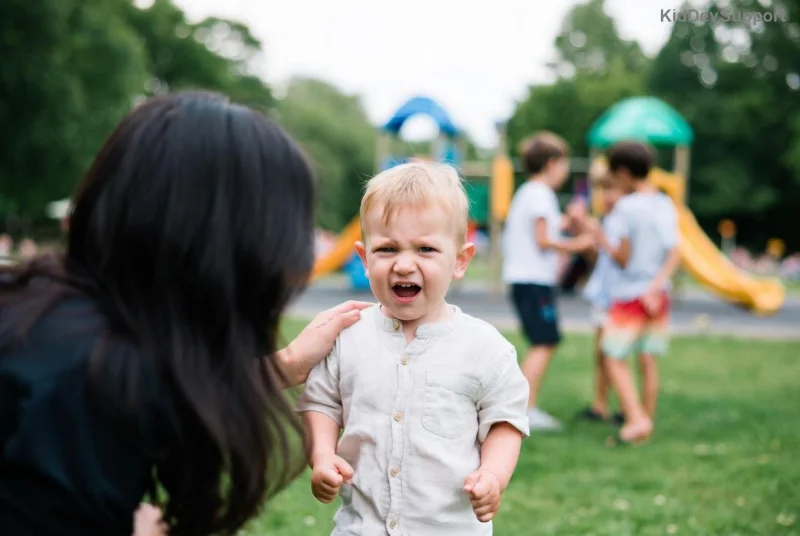
Women with ADHD often experience heightened sensory processing, making crowded environments a sensory storm. Lights flicker too brightly, conversations overlap into a cacophony, and physical proximity feels invasive. This sensory overload triggers the brain's fight-or-flight response, shutting down social engagement.
Recent neuroimaging studies reveal that ADHD brains have altered dopamine pathways, amplifying sensory input. In crowds, this leads to "autistic-like" shutdowns or meltdowns, where the mind retreats inward. No wonder lonely in crowds ADHD feels so profound—your body is screaming for quiet while others thrive in the chaos.
"It's like being at a concert with no off switch—exhilarating for some, exhausting for us." – Common sentiment from women with ADHD forums.
2. The Masking Trap: Hiding ADHD to Fit In
Unlike men, women with ADHD are masters of ADHD masking—camouflaging symptoms to blend in. They rehearse small talk, force eye contact, and suppress fidgeting. But in crowds, this hyper-vigilance drains executive function reserves, leaving no energy for real bonds.
The latest research highlights "masking fatigue" as a key driver of ADHD social isolation. Women expend triple the mental effort in social settings, leading to post-event crashes. You're there physically, but emotionally detached, fostering that deep loneliness in crowds.
Masking vs. Authenticity: A Quick Comparison
| Masking Behavior | Impact on Loneliness |
|---|---|
| Forcing conversations | Surface-level chats, no depth |
| Suppressing stims (fidgeting) | Internal tension builds isolation |
| Hyperfocus on "normalcy" | Misses genuine cues, heightens rejection fear |
3. Social Cue Blind Spots and Rejection Sensitive Dysphoria (RSD)
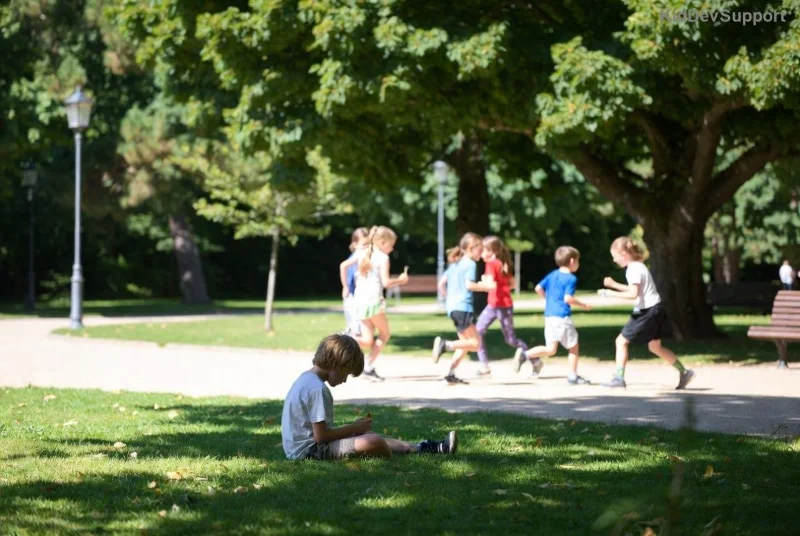
ADHD impairs working memory and emotional regulation, making it hard to read subtle social signals. In crowds, rapid-fire interactions overwhelm this deficit, leading to missteps or withdrawal. Enter Rejection Sensitive Dysphoria (RSD), a hallmark of ADHD where perceived slights feel like devastation.
Women with ADHD interpret neutral glances as judgment, amplifying ADHD loneliness. The newest psychological models describe RSD as an "emotional landmine," exploding in group dynamics and pushing women to the sidelines—literally and figuratively lonely in crowds.
- Tip: Practice "pause and scan"—step back, breathe, and observe before reacting.
4. Hyperfocus and Distraction: Missing the Social Thread
ADHD brains toggle between laser hyperfocus and scattershot distraction. In crowds, you might zone into one conversation, ignoring the group, or get lost in mental tangents. Others perceive this as disinterest, widening the relational gap.
Latest cognitive behavioral data shows women with ADHD struggle with "parallel processing" in social noise, leading to fragmented connections. It's not rudeness—it's neurology. This mismatch fuels the cycle of ADHD social isolation.
5. Emotional Dysregulation: The Inner Emotional Storm
Crowds amplify ADHD's emotional volatility. Joy spikes, then crashes into overwhelm. Women often internalize this as "I'm too much," self-isolating preemptively. Recent emotional intelligence studies link this to lower oxytocin responses in ADHD, hindering bonding hormones.

Proven Strategies to Combat Lonely in Crowds ADHD 🩺
Understanding is step one; action is liberation. Here's how women with ADHD can reclaim social joy:
- Pre-Event Prep: Set a time limit (e.g., 1 hour) and have an exit strategy. Use noise-cancelling headphones for subtle relief.
- Seek Neurodiverse Circles: Join ADHD support groups—online or in-person—for authentic vibes. Platforms like ADDitude offer communities.
- Mindfulness Tools: Apps with guided grounding exercises reduce sensory overload. Pair with medication if prescribed.
- Communicate Openly: Share your ADHD with trusted friends: "Crowds drain me—let's chat one-on-one?"
- Self-Care Rituals: Post-crowd recovery with stim toys, journaling, or solo walks rebuilds energy.
Quick Wins Table: From Lonely to Connected
| Challenge | Strategy | Expected Outcome |
|---|---|---|
| Sensory Overload | Sensory kit (fidget, earplugs) | Stay longer, engage more |
| Masking Fatigue | Selective authenticity | Deeper bonds |
| RSD Fears | CBT reframing | Reduced withdrawal |
Your Path Forward: Embrace Your ADHD Superpowers
Women with ADHD aren't broken—they're wired for intensity. That same brain brings creativity, empathy, and passion to relationships. By addressing lonely in crowds ADHD, you're not just surviving crowds; you're thriving in connections that matter.
Start small today: Pick one strategy and test it. Share your story in the comments—what's your crowd survival hack? You've got this. For professional advice, consult a specialist via resources like CHADD.
Feeling less alone already? Keep reading, connecting, and conquering. 🌟