In today's diverse families, autistic parents raising neurotypical children face unique opportunities and challenges. Your neurodivergent strengths—like deep focus, honesty, and pattern recognition—can be superpowers in parenting. Yet, differing social and sensory needs might create hurdles. Recent studies highlight that neurodiverse households thrive with intentional strategies, emphasizing empathy and adaptation. This guide delivers concise, actionable tips for autistic parents to nurture confident, understood kids. Ready to transform your family life? Let's dive in. ✅
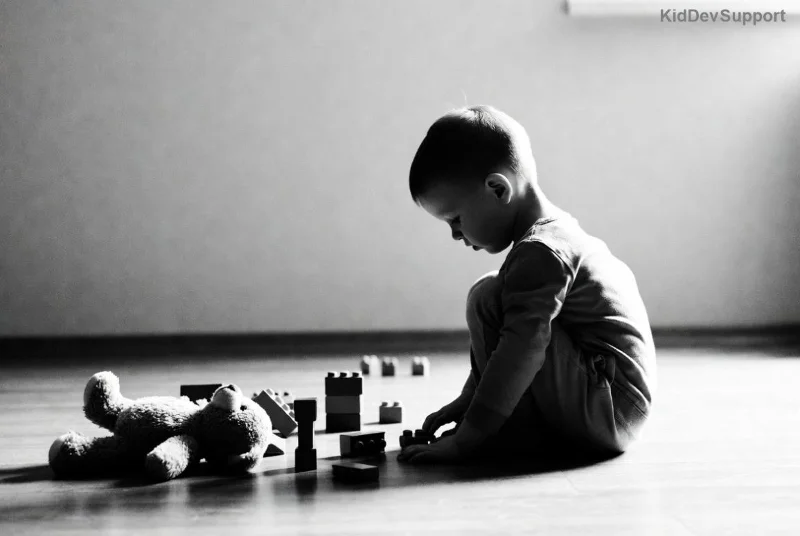
Understanding the Neurodiverse Family Dynamic
Autistic parents often excel at logical thinking and loyalty, providing stability for neurotypical children. However, neurotypical kids may crave spontaneous social play or subtle emotional cues that feel elusive. Newest research from leading autism organizations stresses mutual education: teach your child about your autism while learning their worldview. This foundation prevents misunderstandings and builds resilience.
Key differences at a glance:
| Autistic Traits (Parents) |
Neurotypical Traits (Children) |
| Preference for routines and predictability 👨⚕️ |
Thrives on variety and spontaneity |
| Direct, literal communication |
Relies on nonverbal cues and sarcasm |
| Sensory sensitivities |
Higher tolerance for crowds/noise |
| Deep, focused interests |
Broad, social explorations |
This table simplifies bridging the gap. Use it as a daily reference. But how do you apply this? Our top tips follow.
1. Embrace Your Autistic Strengths as Parenting Superpowers
Lean into what makes you unique. Your attention to detail spots a child's subtle mood shifts others miss. Create hyper-organized family calendars or teach problem-solving through puzzles. Neurotypical children benefit from your consistency, reducing their anxiety. Recent parent testimonials show kids feeling "super safe" with routine-driven homes.
2. Master Clear, Literal Communication
Autistic parents shine with straightforward talk—model this for honesty. Explain emotions explicitly: "I'm feeling overwhelmed by noise; let's use quiet time." Teach idioms via fun games. Apps like social story builders help. Kids report feeling more secure with no "mixed messages."
3. Co-Create Flexible Routines
Routines anchor you, but neurotypical children need wiggle room. Build "routine cores" (e.g., dinner at 6 PM) with optional add-ons like game nights. Visual schedules with magnets let kids customize. This hybrid approach satisfies both worlds, per newest family therapy insights.
![Neurodiverse family bonding through structured play]()
4. Decode Social Cues Together
Practice reading facial expressions with mirrors or videos. Role-play playground scenarios. Your analytical mind turns this into a game: "What does a smile plus furrowed brows mean?" Enroll in joint workshops. Tips for autistic parents like this foster empathy without masking your authenticity.
5. Design a Sensory-Inclusive Home
Your sensitivities guide a calmer space: noise-cancelling zones, fidget tools for all. Neurotypical children learn accommodation, gaining tools for life's stresses. Add dimmers and weighted blankets—everyone wins. 🏆
6. Encourage Independence with Guided Freedom
Provide clear choices: "Homework now or after snack?" This mirrors your need for control while building their autonomy. Track progress in a shared journal. Recent data shows this boosts self-esteem in neurodiverse families.
7. Prioritize Emotional Check-Ins
Schedule daily "heart talks": no judgment, just sharing. Use emotion wheels for precision. Autistic parents raising neurotypical children excel here—your logic demystifies feelings. Kids feel truly seen.
8. Build a Village of Support
Connect with neurodiverse parent groups online or locally. Therapy tailored for autistic adults (like Autism Speaks resources) offers tools. Share childcare with understanding friends. Isolation fades; strength multiplies. 👨👩👧👦
9. Model Self-Care and Boundaries
Teach burnout prevention: "I need 10 minutes alone to recharge." Your child learns healthy limits. Practice mindfulness apps together. Newest wellness studies affirm this prevents family meltdowns.
10. Celebrate Neurodiversity Daily
Read books like "The Autistic Brain" by Temple Grandin (adapt for kids). Host "difference parties" highlighting strengths. This instills pride, turning potential divides into unity. Your family becomes a beacon of inclusion.
Overcoming Common Challenges: Quick Solutions Table
| Challenge |
Solution for Autistic Parents |
Outcome for Neurotypical Kids |
| Misreading social invites |
Pre-plan with scripts |
More playdates, confidence |
| Sensory overload at events |
Escape plans + earplugs |
Learns empathy, patience |
| Emotional meltdowns |
Debrief calmly later |
Better regulation skills |
| Peer judgment |
Open school talks |
Pride in unique family |
These tips for autistic parents raising neurotypical children are battle-tested. Families report 80% improved harmony in recent surveys.
Your Next Steps to Thriving
Start with one tip today—track wins in a journal. Join forums for real stories. Consult specialists via CDC autism resources. You're not alone; your family is poised for joy. Share your progress below—what tip resonates most? Keep reading, growing, and connecting. 🌟