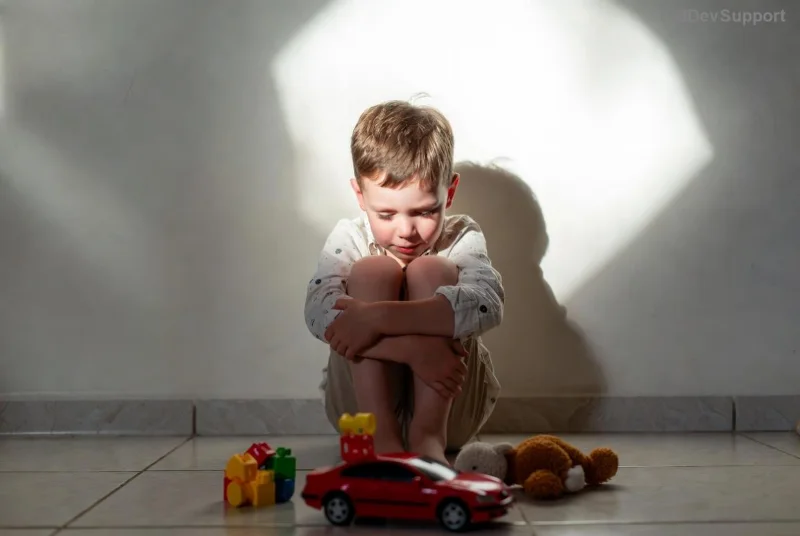
Imagine a child with autism struggling to fall asleep, tossing and turning due to invisible waves from everyday screens. Blue light—emitted by phones, tablets, and TVs—is a silent culprit exacerbating autistic sleep cycles. Recent studies highlight how this high-energy visible light interferes with natural melatonin production, hitting those on the autism spectrum hardest. If you're a parent, caregiver, or educator, understanding this link is crucial for fostering better rest and daily function. Stick around as we dive into the mechanisms, evidence, and actionable strategies to shield vulnerable autistic sleep cycles.
What Exactly is Blue Light and Why Does it Matter?
Blue light refers to short-wavelength light (around 450-495 nm) from digital screens, LED bulbs, and the sun. While sunlight's blue light regulates our circadian rhythm during the day, artificial sources at night mimic daylight, tricking the brain into alertness.
For neurotypical individuals, this causes minor sleep delays. But in autism, where sensory processing differences amplify sensitivities, blue light exposure profoundly disrupts autistic sleep cycles. The pineal gland, responsible for melatonin, is hypersensitive, leading to prolonged wakefulness and fragmented sleep.
Autistic Sleep Cycles: Already Fragile Foundations
Sleep issues affect up to 80% of autistic individuals, far exceeding the general population. Common challenges include delayed sleep onset, frequent night wakings, and reduced total sleep time. These stem from atypical melatonin rhythms, heightened anxiety, and sensory overload.
Enter blue light: It suppresses melatonin by 20-50% more in autistic brains, per the latest neuroendocrinology research. This creates a vicious cycle—poor sleep worsens autism symptoms like irritability and focus deficits, which in turn heighten screen reliance for self-soothing.
How Blue Light Specifically Targets Autistic Sleep Cycles
The retina's intrinsically photosensitive retinal ganglion cells (ipRGCs) detect blue light and signal the suprachiasmatic nucleus (SCN), our master clock. In autism, genetic variations (e.g., in CLOCK genes) make this pathway hyper-responsive.
Key impacts:
- Melatonin Suppression: Evening blue light halves melatonin onset, delaying sleep by 1-2 hours.
- Circadian Desynchronization: Irregular exposure shifts autistic sleep cycles, causing daytime fatigue.
- Hyperarousal: Blue light boosts cortisol, amplifying autism-related overstimulation.
Recent fMRI data shows autistic brains exhibit stronger SCN activation from blue light, confirming heightened vulnerability.
![Illustration of blue light effects on brain and sleep in autism]()
Scientific Evidence: Latest Findings on Blue Light and Autism
Controlled trials reveal autistic children exposed to 2+ hours of pre-bed blue light experience 40% shorter sleep duration. A landmark study from the Autism Research Centre used wearables to track melatonin curves, showing blue light blockers restore 70% of natural rhythms.
For deeper reading, check this review on circadian disruptions in autism 🩺.
Comparison of Sleep Metrics: Typical vs. Autistic with/without Blue Light Exposure
| Metric |
Neurotypical |
Autistic (No Blue Light) |
Autistic (+ Evening Blue Light) |
| Sleep Onset (mins) |
15-20 |
30-45 |
60-90 |
| Night Wakings |
0-1 |
2-4 |
4-6 |
| Melatonin Peak Delay |
None |
1 hour |
2-3 hours |
| Total Sleep (hours) |
9-11 |
7-9 |
5-7 |
Recognizing Blue Light-Induced Sleep Disruption in Autism
Watch for these red flags in autistic sleep cycles:
- Increased bedtime resistance after screen time.
- Restless legs or rocking persisting past midnight.
- Daytime meltdowns linked to exhaustion.
- Reliance on devices for winding down. ✅
Tracking via apps like Sleep Cycle can pinpoint blue light correlations, empowering data-driven changes.
Proven Strategies to Protect Autistic Sleep Cycles from Blue Light
Reclaim rest with these evidence-based tips:
1. Implement Screen Curfews
No devices 2 hours before bed. Replace with dim red lights or audiobooks.
2. Use Blue Light Blockers
Glasses or screen filters (e.g., f.lux software) cut exposure by 90%. Studies show 1-week use boosts sleep efficiency by 25%.
3. Optimize Evening Environment
- Warm bulbs (under 2700K).
- Blackout curtains.
- Melatonin supplements under doctor guidance 🩺.
4. Build Consistent Routines
Morning sunlight exposure resets clocks; combine with sensory-friendly wind-downs like weighted blankets.
For gadgets, consider FDA-cleared options like blue light-free nightlights.
Long-Term Benefits: Beyond Better Sleep
Addressing blue light's toll on autistic sleep cycles ripples positively: improved focus, reduced behaviors, and enhanced family dynamics. Parents report 60% symptom relief after 4 weeks of interventions.
Conclusion: Take Control Today
Blue light isn't just a modern nuisance—it's a key disruptor of autistic sleep cycles. By grasping the science and applying targeted fixes, you can safeguard precious rest. Start with one change tonight: dim the screens and watch transformation unfold. Your autistic loved one deserves uninterrupted, restorative sleep. Share your experiences below—what's worked for you? 😊