Have you ever wondered why some children with autism spectrum disorder (ASD) suddenly go silent in social settings, despite being chatty at home? This phenomenon points to the intriguing link between autism and selective mutism. Selective mutism (SM) isn't just shyness—it's a complex anxiety-based condition where individuals can't speak in certain situations, even though they physically can. When tied to autism, it creates unique challenges that demand targeted understanding and support.
In this article, we'll break down the science, symptoms, and strategies behind this connection. Stick around to discover how early intervention can transform lives. Ready to dive in?

What is Autism Spectrum Disorder?
Autism spectrum disorder is a neurodevelopmental condition characterized by challenges in social communication, repetitive behaviors, and sensory sensitivities. It affects how individuals perceive and interact with the world, with symptoms varying widely across the spectrum—from mild to profound.
Recent research highlights that up to 1 in 36 children may be diagnosed with ASD, emphasizing its prevalence. Core features include:
- Difficulty interpreting social cues 🧠
- Intense focus on specific interests
- Sensory processing differences
- Challenges with verbal and nonverbal communication
But what happens when communication falters entirely in select environments? That's where selective mutism enters the picture.
Understanding Selective Mutism: Beyond Simple Shyness
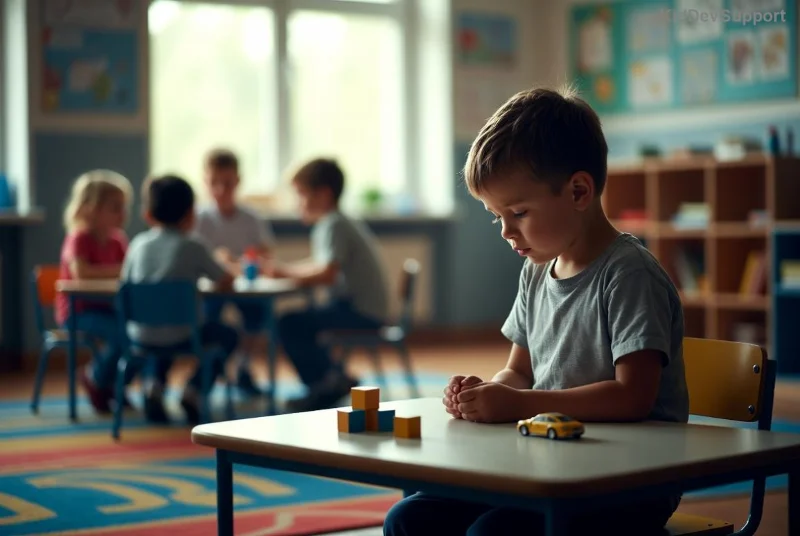
Selective mutism is an anxiety disorder where a person—often a child—consistently fails to speak in specific social situations, such as school or with strangers, despite fluent speech elsewhere. It's not defiance or lack of ability; it's a freeze response rooted in extreme anxiety.
Key signs include:
- Silent in public but verbal at home
- Facial expressions of distress (e.g., frozen smile)
- Avoidance of eye contact during "mute" episodes
- Physical tension, like clinging to parents
Latest studies show SM affects about 1 in 140 young children, with girls diagnosed more often than boys. Now, imagine this overlaid on autism—the overlap amplifies the complexity.
The Strong Link Between Autism and Selective Mutism
Here's the core revelation: selective mutism in autism is far more common than coincidence suggests. Recent data indicates that up to 30-40% of children with SM also meet criteria for ASD, and vice versa in select cases. Why the connection?
Both conditions share neurological underpinnings:
- Sensory Overload: ASD often involves heightened sensory sensitivities, triggering shutdowns that mimic SM.
- Social Anxiety Amplification: Autism's social challenges can fuel the anxiety driving SM.
- Executive Function Overlaps: Difficulties in flexible thinking hinder adapting speech across contexts.
Experts now view selective mutism autism comorbidity as a "double hit," where ASD traits exacerbate mutism persistence. A landmark study from leading child psychology institutes confirms genetic links, with shared variants in serotonin and dopamine pathways.
![Illustration of selective mutism symptoms in autistic children]()
Symptoms and Diagnosis: Spotting the Overlap
Distinguishing standalone SM from autism and selective mutism requires careful assessment. Symptoms can blur lines, but here's a clear comparison:
| Feature |
ASD Alone |
SM Alone |
ASD + SM |
| Social Withdrawal |
Consistent across settings |
Situation-specific |
Intensified in social triggers |
| Speech Delay |
Often global |
None; selective only |
Contextual with repetitive patterns |
| Anxiety Response |
Variable |
High in mute scenarios |
Chronic + acute shutdowns |
| Sensory Issues |
Common |
Rare |
Prominent, triggers mutism |
Diagnosis involves multidisciplinary teams: psychologists, speech therapists, and pediatricians using tools like ADOS-2 for ASD and clinician-rated SM scales. Early screening is crucial—delays worsen outcomes. If your child shows these signs, consult a specialist promptly.
Curious about causes next? Keep reading for the latest insights.
Causes and Risk Factors: Unraveling the Roots
The link between autism and selective mutism stems from a mix of genetics, environment, and brain wiring. Twin studies reveal heritability rates over 80% for both, with overlapping genes like those regulating anxiety (e.g., SLC6A4).
Environmental triggers include:
- Traumatic social experiences
- Family history of anxiety/ASD
- Prenatal factors like maternal stress
Neuroimaging shows reduced amygdala connectivity in comorbid cases, explaining the "mute freeze." Recent advancements in genomics offer hope for personalized risk profiling.
Treatment Strategies: Breaking the Silence
Effective interventions target both conditions holistically. No one-size-fits-all, but evidence-based approaches shine:
1. Behavioral Therapies: Exposure therapy with gradual desensitization, like PCIT-SM (Parent-Child Interaction Therapy for SM), boasts 70-90% success rates.
2. Speech and Language Support: Tailored for ASD selective mutism, using visual aids and social stories.
3. Medication: SSRIs (e.g., fluoxetine) reduce anxiety in severe cases, per latest pediatric guidelines. Always under medical supervision 💊.
4. Family and School Involvement: Training creates consistent, low-pressure environments.
For deeper dives, check resources from Selective Mutism Association or Autism Speaks.
![Therapy session for children with autism and selective mutism]()
Supporting Loved Ones: Practical Tips for Success
Empowerment starts at home. Strategies include:
- Practice "brave talking" in safe zones
- Use non-verbal communication tools (e.g., apps, pictures)
- Celebrate small wins with positive reinforcement 🏅
- Build sensory-friendly routines
Schools play a pivotal role via IEPs (Individualized Education Programs) accommodating autism and selective mutism. Long-term, many outgrow SM with support, leading to thriving adulthoods.
Conclusion: Hope on the Horizon
The link between autism and selective mutism underscores the need for nuanced, compassionate care. With latest research guiding us, outcomes are brighter than ever. Early detection, tailored therapies, and unwavering support unlock voices and potential.
If this resonates, share your story below or consult a professional today. Your action could change a life—what's your next step? 😊