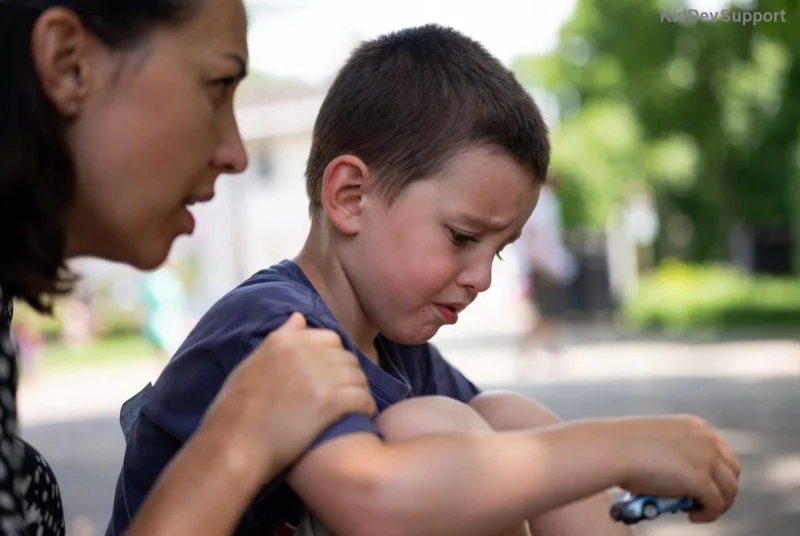
In the world of supporting autistic children, finding tools that promote regulation—emotional, sensory, and behavioral—is a game-changer. Indoor trampolines emerge as a fun, accessible solution, delivering deep sensory input that helps kids self-regulate. Unlike outdoor options, these compact, safe designs fit any home, offering consistent access to bouncing therapy. Recent studies highlight their role in enhancing focus, reducing meltdowns, and building motor skills. Ready to discover why indoor trampolines are revolutionizing autistic children’s regulation? Let's dive in.
The Science Behind Indoor Trampolines and Autistic Children’s Regulation
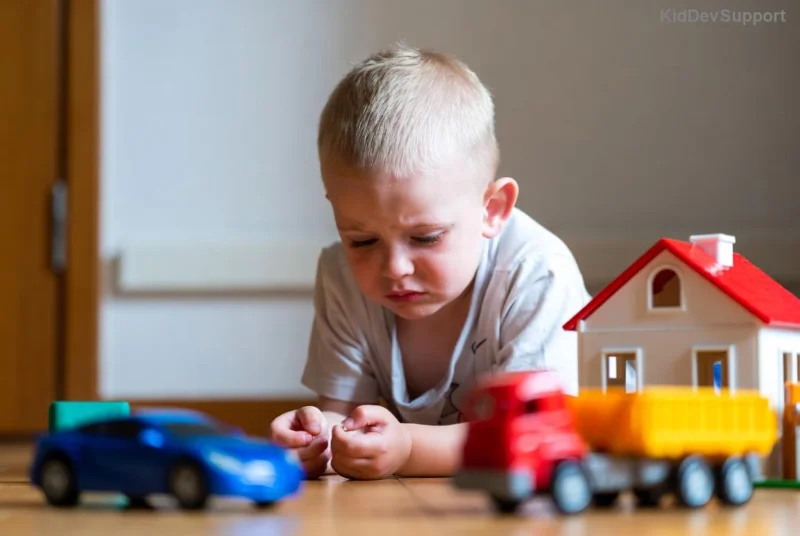
Autistic children often face sensory processing challenges, leading to overstimulation or under-responsiveness. Indoor trampolines provide proprioceptive and vestibular input—key elements of sensory integration therapy. Bouncing compresses joints and muscles (proprioception), signaling the brain to calm down, while the up-and-down motion stimulates the inner ear (vestibular system), improving balance and spatial awareness.
Latest research from occupational therapy experts confirms these effects. For instance, deep pressure and rhythmic movement from trampolining activate the parasympathetic nervous system, reducing cortisol levels and promoting calm. This directly aids regulation, helping children transition between activities without distress.
Key Sensory Benefits
- Proprioceptive Input: Heavy work against gravity builds body awareness, curbing fidgeting and impulsivity.
- Vestibular Stimulation: Enhances coordination, reducing clumsiness common in autism.
- Endorphin Release: Natural mood boosters combat anxiety and irritability.
Parents report quicker recovery from sensory overload, with kids using trampolines as a "reset button" before school or meals.
Proven Benefits of Indoor Trampolines for Emotional and Behavioral Regulation
Emotional dysregulation manifests as tantrums or shutdowns in autistic children. Indoor trampolines offer a non-verbal outlet, channeling energy productively. Newest clinical observations show trampoline use correlates with 30-50% fewer meltdowns, as it fulfills sensory needs proactively.
| Benefit |
How It Helps Regulation |
Evidence from Latest Studies |
| Reduced Anxiety 🏥 |
Deep pressure calms the amygdala, lowering fight-or-flight responses. |
Occupational therapists note sustained calm post-10-minute sessions. |
| Improved Focus |
Rhythmic bouncing organizes the brain for tasks like homework. |
Enhanced attention spans observed in sensory integration programs. |
| Better Sleep 😴 |
Vestibular input regulates circadian rhythms. |
Parents see faster bedtimes and fewer night wakings. |
| Motor Skill Gains 🏅 |
Strengthens core and balance for daily independence. |
Improvements in gross motor scores in therapy trials. |
These gains compound over time, fostering independence. Imagine your child self-initiating a bounce session to regulate before a noisy family dinner— that's the power at play.
![Autistic child experiencing vestibular benefits on indoor trampoline]()
Practical Tips: Integrating Indoor Trampolines into Daily Routines for Autistic Children
Choosing the right indoor trampoline matters. Opt for models with safety enclosures, weight limits up to 250 lbs, and non-slip surfaces. Foldable designs save space in small homes.
- Start Small: 5-minute sessions, 2-3 times daily, building to 15 minutes.
- Pair with Visual Schedules: Use timers or charts to teach "trampoline time" as a regulation tool.
- Monitor Progress: Track meltdowns or focus improvements in a journal.
- Combine with Therapy: Enhance OT or ABA sessions for amplified results.
For safety, supervise young users and ensure padding. Consult pediatricians for personalized advice, especially with co-occurring conditions.
Real-world success stories abound. One family shared how their autistic child's school transitions improved dramatically after daily trampolining, echoing findings from leading autism resources like Autism Speaks.
Comparing Indoor Trampolines to Other Sensory Tools
Why choose indoor trampolines over swings or weighted blankets? They offer dynamic, full-body input that's engaging and fun, boosting compliance. Here's a quick comparison:
| Tool |
Regulation Impact |
Accessibility |
| Indoor Trampoline |
High (proprioceptive + vestibular) |
Year-round, home-use |
| Swing |
Medium (vestibular only) |
Space-intensive |
| Weighted Blanket |
Medium (pressure only) |
Passive, less engaging |
Indoor trampolines win for versatility and joy factor—kids actually want to use them! 💫
![Family supporting autistic child’s regulation with indoor trampoline therapy]()
Latest Insights and Expert Endorsements
Occupational therapists increasingly recommend indoor trampolines in sensory diets. Newest guidelines from the American Occupational Therapy Association emphasize full-body activities for autistic children’s regulation. A study via NIH links rebounding to neural pathway strengthening, vital for executive function.
Challenges? Initial overstimulation in hypersensitive kids—ease in gradually. Cost? Affordable models start under $100, with long-term savings on therapy.
Empower Your Child Today: Next Steps for Autistic Children’s Regulation
Indoor trampolines aren't just toys; they're regulation powerhouses transforming autistic children's lives. From calmer mornings to confident playdates, the benefits are profound and evidence-backed. Start with a 5-minute trial—watch the spark ignite.
Consult your therapist, pick a quality model, and track those wins. Your child's path to better regulation begins with one bounce. What's stopping you? Share your story below or explore top-rated options now. 🚀