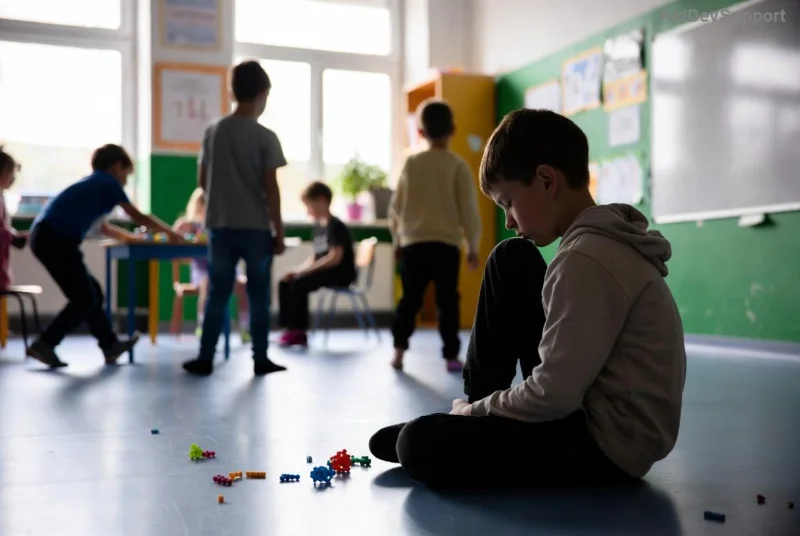
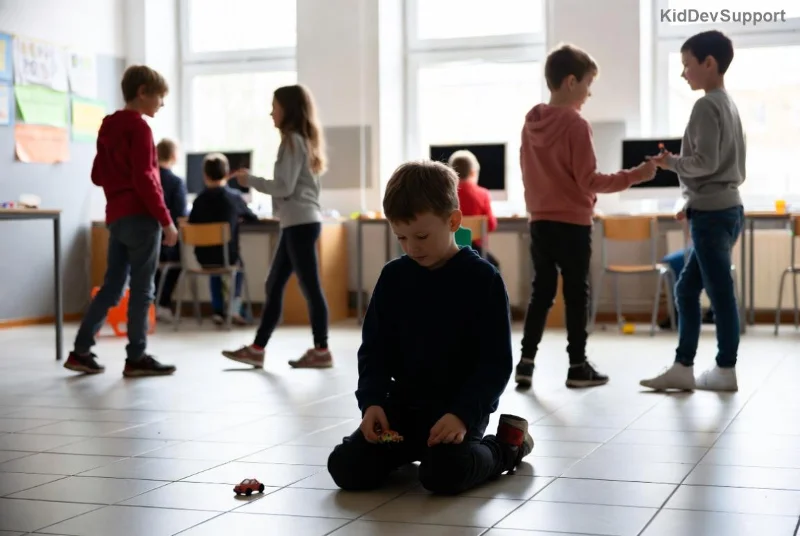
In today's inclusive classrooms, paraeducators stand as unsung heroes, bridging the gap for students with autism spectrum disorder (ASD). These dedicated professionals provide personalized support, fostering independence and growth. But what exactly does a paraeducator in autism support do? This guide dives deep into their multifaceted responsibilities, skills, and transformative impact, helping educators, parents, and aspiring aides understand their pivotal place in special education.
What is a Paraeducator?
A paraeducator, often called a paraprofessional or classroom aide, works under the supervision of certified teachers to assist students with diverse needs. In autism support, they play a hands-on role, implementing individualized education programs (IEPs) tailored to each child's unique challenges and strengths. According to the latest guidelines from educational bodies, paraeducators are integral to inclusive settings, where over 90% of students with ASD learn alongside peers.
Understanding Autism Spectrum Disorder
Autism spectrum disorder encompasses a range of neurodevelopmental conditions characterized by difficulties in social communication, repetitive behaviors, and sensory sensitivities. The newest diagnostic insights emphasize the spectrum's diversity—no two children are alike. Paraeducators in autism support must recognize these variations to provide targeted interventions, from verbal prompts for nonverbal students to sensory breaks for those overwhelmed by stimuli.
Key Responsibilities of Paraeducators in Autism Support
The role of a paraeducator in autism support is dynamic and essential. Here's a breakdown:
| Responsibility |
Description |
| Behavioral Support |
Implement positive behavior interventions (PBIs) like visual schedules and de-escalation techniques to manage meltdowns. |
| Academic Assistance |
Break down tasks into manageable steps, using tools like picture exchange communication systems (PECS). |
| Social Skills Development |
Facilitate peer interactions through structured play and role-playing scenarios. |
| Data Collection |
Track progress on IEP goals, providing teachers with real-time insights for adjustments. |
These duties ensure students thrive academically and socially. Curious how these play out daily? Keep reading for practical strategies.
![Paraeducator assisting student with autism in sensory activity]()
Essential Skills and Training for Paraeducators
Success in the role of a paraeducator in autism support demands specific competencies. Top skills include:
- Patience and empathy ⚕️
- Knowledge of evidence-based practices like Applied Behavior Analysis (ABA)
- Strong communication to collaborate with teachers, therapists, and families
- Crisis intervention training for safety
The latest training standards recommend certifications in autism-specific modules from organizations like the Council for Exceptional Children. Ongoing professional development keeps paraeducators equipped with cutting-edge techniques, such as the use of augmented reality apps for social learning.
Daily Tasks and Effective Strategies
A typical day for a paraeducator in autism support starts with morning routines: greeting students calmly, reviewing visual schedules, and prepping sensory tools. During lessons, they prompt participation without overshadowing independence. Key strategies include:
- Visual Supports: Timers, charts, and social stories to predict transitions.
- Sensory Integration: Weighted vests or fidget tools to regulate input.
- Reinforcement Systems: Token economies rewarding desired behaviors.
These methods, backed by recent research, boost engagement by up to 40%. For real-world application, consider how one aide turned a disruptive classroom into a harmonious space—details ahead.
The Profound Impact of Paraeducators on Students with Autism
Paraeducators in autism support drive measurable outcomes. Recent studies show students with dedicated aides exhibit improved self-regulation, higher academic scores, and better peer relationships. One compelling example: a paraeducator using scripted stories helped a nonverbal student initiate conversations, leading to friendships and confidence gains. Their presence reduces teacher burnout, allowing more focus on instruction.
Want to see the difference? Imagine a child once isolated now thriving—paraeducators make it happen.
![Group of students with autism supported by paraeducator in inclusive classroom]()
Challenges Faced and Solutions
No role is without hurdles. Common challenges include burnout from emotional demands and navigating diverse student needs. Solutions? Self-care routines, peer supervision, and access to resources like Autism Speaks toolkits. Schools prioritizing paraeducator wellness see retention rates soar.
How to Become a Paraeducator in Autism Support
Entry is accessible: a high school diploma often suffices, plus state-specific training. Pursue certifications like the ParaPro Assessment or autism endorsements. Job outlook is bright, with demand growing in inclusive education. Start by volunteering—your passion can change lives.
Conclusion: Championing Inclusion with Paraeducators
The role of a paraeducator in autism support is irreplaceable, turning challenges into triumphs. By providing tailored guidance, they unlock potential and promote true inclusion. Whether you're an educator seeking insights or aspiring aide, embrace this rewarding path. Ready to make a difference? Explore training opportunities today and join the frontline of autism support.