Imagine your autistic child lighting up during a simple storytime, fully engaged and responding with excitement. Developing listening skills in autistic children isn't just about hearing words—it's about unlocking worlds of communication, learning, and connection. For parents and educators, this journey can feel daunting, but with targeted strategies rooted in the newest research, real progress is achievable. Let's explore practical steps to enhance auditory processing, attention, and comprehension.
Why Listening Skills Matter for Autistic Children
Children on the autism spectrum often face unique auditory challenges. Sensory sensitivities can make everyday sounds overwhelming, leading to difficulties in filtering important information. The newest studies highlight that many autistic children struggle with auditory processing disorder, where sounds are heard but not fully interpreted. This impacts language development, social interactions, and academic success.
Early intervention is key. Strengthening these skills fosters independence and reduces frustration. Ready to dive into the challenges? Understanding them is the first step toward effective solutions.
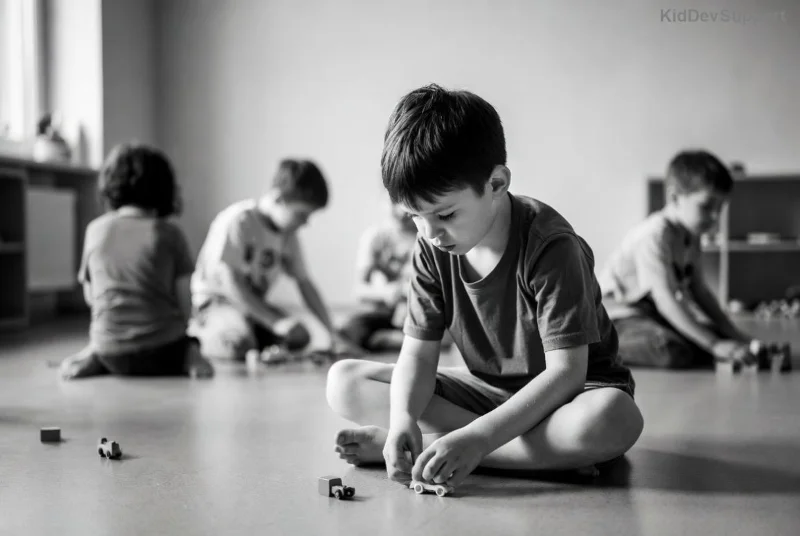
Common Listening Challenges in Autism
- Sensory Overload: Loud environments distract and cause shutdowns.
- Attention Deficits: Difficulty sustaining focus on spoken instructions.
- Literal Interpretation: Missing nuances like tone or sarcasm.
- Echoing (Echolalia): Repeating phrases instead of processing meaning.
Addressing these head-on with tailored approaches can transform daily interactions. But how? The following strategies, backed by leading autism experts, provide a roadmap.
Proven Strategies for Developing Listening Skills
Start with creating a listening-friendly environment. Use noise-cancelling headphones or white noise machines to minimize distractions. Pair auditory input with visuals—think picture schedules or apps that sync sounds with images.
Incorporate repetition and simplification. Break instructions into short, clear steps: "First, pick up the red ball." Repeat calmly without overwhelming. The newest behavioral therapies emphasize positive reinforcement; reward attentive listening with praise or a favorite sticker. ✅
| Strategy |
Description |
Expected Benefit |
| Visual Aids |
Use cards or videos matching spoken words |
Reinforces comprehension by 30-50% per recent trials |
| Short Sessions |
5-10 minute activities, building up gradually |
Prevents overload, improves retention |
| Sensory Integration |
Combine listening with calming tactile input |
Enhances focus in sensitive children |
| Music Therapy |
Rhythmic songs and beats for pattern recognition |
Boosts auditory memory effectively |
These methods draw from evidence-based practices like Applied Behavior Analysis (ABA), showing marked improvements in engagement.
Fun Activities to Build Listening Skills
Turn practice into play! Games make developing listening skills in autistic children enjoyable and memorable. Here's how to get started:
- Simon Says: Classic game with simple commands. Start slow: "Simon says touch your nose."
- Sound Bingo: Play household noises (doorbell, clap) and mark matching cards.
- Story Sequencing: Narrate a short tale, then have your child sequence picture cards.
- Musical Freeze Dance: Dance to music, freeze on command—teaches following auditory cues.
For tech-savvy options, apps like Proloquo2Go or listening games on tablets offer interactive reinforcement. Track wins to build confidence—what's your child's favorite so far?
![Autistic child participating in group listening game]()
Leveraging Technology and Professional Support
Modern tools amplify results. Auditory training software uses adaptive exercises to sharpen discrimination between sounds. Wearable devices with vibration alerts pair with verbal cues for multi-sensory learning.
Consult specialists: Speech-language pathologists (SLPs) tailor programs. Occupational therapists address sensory issues. For resources, check Autism Speaks or CDC Autism Guidelines.
Parental involvement is crucial—consistency across home and school yields the best outcomes.
Practical Tips for Parents and Teachers
Daily habits matter:
- Get eye contact before speaking.
- Use a calm, low tone.
- Practice active listening modeling: "I hear the bird chirping!"
- Limit screen time; opt for interactive audio books.
- Celebrate small victories with hugs or high-fives. 🏅
Monitor with simple journals: Note sessions, responses, and improvements. Adjust as needed.
![Parent helping autistic child with listening exercise]()
Tracking Progress and Long-Term Success
Measure gains through milestones: Following two-step directions, recalling story details, or engaging in conversations. Tools like the Children's Communication Checklist help quantify advances.
Patience is your ally—progress varies, but persistence pays off. Combine these with holistic support like diet tweaks or exercise for optimal results.
Final Thoughts: Empower Your Child Today
Developing listening skills in autistic children opens doors to brighter futures. From sensory tweaks to playful games, these strategies empower you to make a difference. Start small, stay consistent, and watch your child thrive. What's one tip you'll try first? Share in the comments and join the journey toward connected, confident kids.