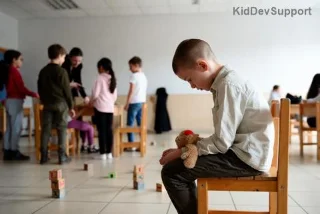
Puberty hits everyone hard, but for teens on the autism spectrum, it's often a perfect storm. Imagine sensory sensitivities cranked up to eleven, meltdowns multiplying, and social skills feeling even more elusive. Why? Hormones on autism symptoms in puberty play a starring role. This guide breaks it down with the newest insights, helping parents, caregivers, and teens understand—and tackle—these changes head-on. Stick around to uncover practical strategies that can make a real difference. 🩺

Understanding Puberty and Its Unique Twist for Autism
Puberty unleashes a cascade of hormones that reshape the body and brain. For neurotypical kids, it brings growth spurts, mood swings, and acne. But in autism spectrum disorder (ASD), these shifts can supercharge core symptoms like repetitive behaviors, emotional regulation struggles, and sensory overload.
Newest research highlights how the autistic brain, already wired differently, responds intensely to hormonal surges. Studies show elevated baseline hormone levels in some ASD individuals even pre-puberty, setting the stage for amplified effects. This isn't just "teen angst"—it's biology clashing with neurology.
Key Hormones Driving Changes in Autism Symptoms During Puberty
Several hormones spike during puberty, each influencing autism symptoms uniquely. Here's a focused look:
| Hormone |
Role in Puberty |
Impact on Autism Symptoms |
| Testosterone |
Drives male puberty; rises in both sexes |
Increases irritability, aggression, and repetitive behaviors in ASD boys; heightens anxiety |
| Estrogen |
Key for female development; fluctuates wildly |
Worsens mood swings, sensory sensitivities, and social withdrawal in ASD girls |
| Progesterone |
Balances estrogen; menstrual cycle driver |
Linked to intensified meltdowns and sleep disruptions |
| Cortisol (Stress Hormone) |
Elevates under puberty stress |
Amplifies executive function deficits and shutdowns in ASD |
This table captures the core players. Curious how these play out daily? Keep reading for real-world symptoms.
How Hormones Specifically Intensify Autism Symptoms in Puberty
- Sensory Processing: Hormonal flux heightens autism's sensory challenges. Lights feel blinding, textures unbearable—thanks to estrogen and testosterone tweaking brain sensory circuits.
- Emotional Volatility: Mood swings skyrocket. Newest data links testosterone surges to more frequent meltdowns in boys, while estrogen cycles trigger anxiety peaks in girls.
- Social and Behavioral Shifts: Puberty's self-consciousness clashes with ASD social cues, worsening isolation. Repetitive behaviors may intensify as coping mechanisms.
- Sleep and Executive Function: Disrupted sleep from progesterone changes leads to foggy focus, a nightmare for already challenged executive skills.
These aren't random; they're predictable hormonal hotspots. Wondering about gender differences? The next section dives deeper.
![Hormonal changes affecting autistic teen emotions]()
Gender Differences: Boys vs. Girls in Autism Puberty Hormones
Autism manifests differently by sex, amplified in puberty. Boys often see testosterone-fueled aggression and hyperactivity spikes. Girls, underreported in ASD, face "camouflaging" pressures plus estrogen-driven internal turmoil—leading to depression-like symptoms.
Recent meta-analyses confirm: ASD girls experience more profound mood dysregulation during menstrual cycles. For boys, puberty onset correlates with ritualistic behavior escalation. Tailored support is key—more on that soon.
Latest Research on Hormones on Autism Symptoms in Puberty
Cutting-edge studies, including large cohort analyses, reveal ASD teens have atypical hormone profiles: higher prenatal androgens predicting severity, with puberty exacerbating them. Brain imaging shows hormone receptors more active in ASD prefrontal areas, explaining emotional flares.
For reliable insights, check resources like CDC Autism Page or Autism Speaks. Emerging trials explore hormone modulators, but lifestyle tweaks show immediate promise.
Proven Strategies to Manage Hormonal Impacts on Autism in Puberty
Don't just weather the storm—navigate it. Here's a roadmap:
- Medical Monitoring: Track cycles and levels with a pediatric endocrinologist. Blood tests flag imbalances early. 🩺
- Therapy Tailored to Hormones: CBT for anxiety, OT for sensory tools. Puberty-specific social skills groups build resilience.
- Lifestyle Hacks: Sleep hygiene combats cortisol; exercise balances testosterone. Nutrient-rich diets (omega-3s, magnesium) stabilize moods.
- Medications if Needed: SSRIs for severe anxiety or hormonal contraceptives for girls' cycle stabilization—always under expert guidance.
- Family Support: Visual schedules for puberty changes reduce unpredictability anxiety.
| Strategy |
Benefit |
Evidence Level |
| Exercise Routine |
Lowers cortisol, improves sleep |
High (Multiple RCTs) |
| Mindfulness Apps |
Reduces meltdowns |
Moderate |
| Hormone Tracking |
Predicts flare-ups |
Emerging |
Implement one today—what's your first step?
![Supportive strategies for autism during puberty]()
Final Thoughts: Empowering Teens Through the Puberty Autism Maze
The impact of hormones on autism symptoms in puberty is profound but manageable. With awareness, monitoring, and targeted interventions, teens can thrive—not just survive. Early action prevents escalation into adulthood challenges. Consult professionals, stay informed, and celebrate small wins. Your teen's future self will thank you. 💪
Share your experiences below or explore more on ASD support. Ready for smoother sailing?