Puberty brings profound changes for every child, but for those on the autism spectrum, it can feel like uncharted territory. Imagine heightened sensory sensitivities clashing with hormonal surges, or social confusion amplifying emotional turmoil. As a parent, you're not alone—recent research highlights that with targeted strategies, you can guide your child through this phase smoothly. This guide delivers actionable insights to help you support your autistic teen, fostering confidence and independence.

Understanding Puberty Changes in Autistic Children
Puberty in autistic children often unfolds differently due to neurodiversity. Hormonal shifts trigger physical growth, voice deepening, and body hair development, but these can overwhelm an already sensitive nervous system. Latest studies show autistic youth may experience delayed or accelerated puberty milestones, leading to anxiety or meltdowns.
- Physical signs: Rapid height spurts, acne, and menstrual cycles (for girls) or wet dreams (for boys).
- Autism-specific twists: Heightened reactions to body odor or texture changes in clothing.
Start by tracking these changes in a simple journal to predict triggers and prepare.
Sensory Sensitivities: A Core Challenge in Autism Puberty
Sensory processing differences peak during puberty, turning everyday sensations into battles. Sweat, new smells, or tight underwear might provoke distress. Recent guidelines from autism experts emphasize desensitization techniques.
| Sensory Issue |
Common Puberty Trigger |
Practical Tip 🩺 |
| Texture aversion |
Pubic hair growth |
Use seamless underwear; introduce gradually with positive reinforcement. |
| Smell hypersensitivity |
Body odor from sweat |
Scent-free deodorants; visual hygiene charts. |
| Tactile overload |
Acne or skin changes |
Gentle, fragrance-free skincare routines practiced daily. |
These tools build tolerance over time, reducing meltdowns and boosting self-esteem.
![Autistic teen managing sensory challenges in puberty]()
Emotional and Behavioral Shifts During Autistic Teens Puberty
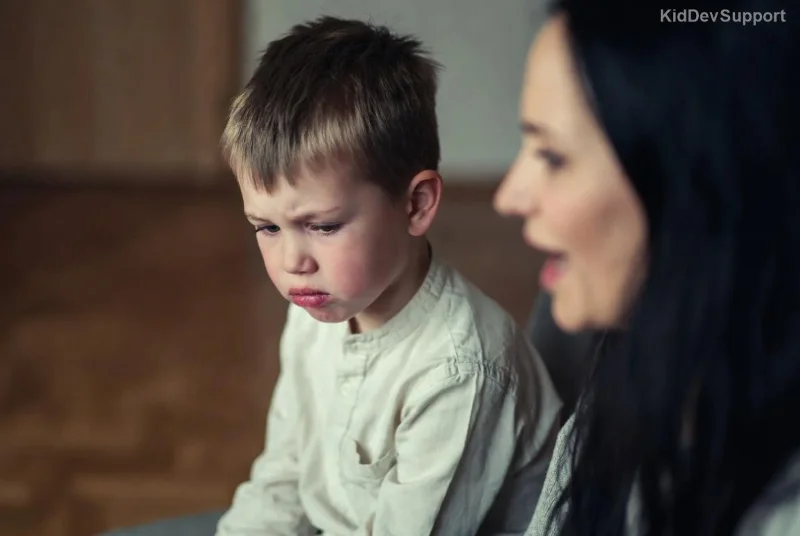
Hormones fuel mood swings, but in autistic children, these mix with rigid routines and social misunderstandings. Irritability, aggression, or withdrawal are common, per the newest clinical observations. Parents report success with emotional regulation strategies like:
- Visual emotion scales: Rate feelings from 1-5 with pictures.
- Safe spaces: Designated quiet zones for overload recovery.
- Routine anchors: Consistent puberty prep schedules to maintain stability.
Addressing these early prevents escalation into anxiety disorders, which affect up to 40% of autistic teens during this stage.
Hygiene and Self-Care: Building Independence
Teaching hygiene is pivotal for navigating puberty in autistic children. Many struggle with abstract concepts like "personal care," but social stories and videos make it concrete.
- Showering rituals: Break into steps with timers and rewards. 😊
- Menstrual management: For girls, use pictorial pads/changers; apps track cycles discreetly.
- Grooming basics: Electric razors for sensory ease; model behaviors yourself.
Consistency turns chores into habits, empowering your child for adulthood.
Social and Sexual Education Tailored for Autism Puberty
Social cues intensify with puberty—crushes, peer pressure, and body image issues hit harder. Latest resources recommend age-appropriate puberty education for autistic children:
Use books like "The Girl's Guide to Growing Up" or "The Boy's Guide," adapted with visuals. Discuss consent and boundaries via role-play. For deeper support, consult specialists via Autism Speaks.
![Family supporting autistic child through puberty social challenges]()
Seeking Professional Support: When to Act
Not every challenge needs solo handling. Pediatric endocrinologists assess hormonal imbalances, while therapists offer CBT for anxiety. Recent protocols suggest multidisciplinary teams for best outcomes.
- 🩺 Signs for help: Severe aggression, self-harm, or regression.
- Therapy wins: ABA for behaviors, OT for sensory integration.
Early intervention transforms puberty from crisis to growth opportunity.
Long-Term Strategies for Thriving Post-Puberty
Beyond the changes, equip your child with life skills. Transition planning includes vocational training and peer groups. Celebrate milestones—hitting puberty benchmarks earns a "success badge" 🏅, reinforcing positivity.
Parents who've mastered this report happier, more independent teens. Track progress monthly to adjust.
Final Thoughts: Empower Your Journey
Navigating puberty in autistic children demands patience, but yields resilient young adults. Implement one tip today: start a hygiene chart or sensory log. You've got this—share your story in comments below for community support. Stay tuned for more autism guides!