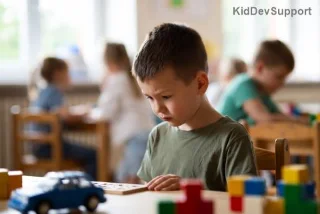
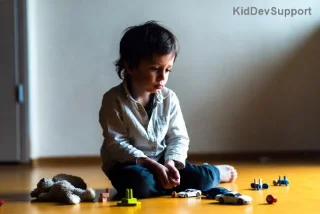
Imagine your child with autism stepping into school on the first day—not overwhelmed, but excited and ready. For many families, preparing for the first day of school with autism feels daunting due to sensory sensitivities, social uncertainties, and routine disruptions. But with targeted strategies, you can transform anxiety into achievement. This guide delivers actionable, evidence-based steps drawn from the latest recommendations by experts like the CDC and autism advocacy organizations. Let's dive in and build a plan that works.
Understand the Unique Challenges of School Starts for Children with Autism
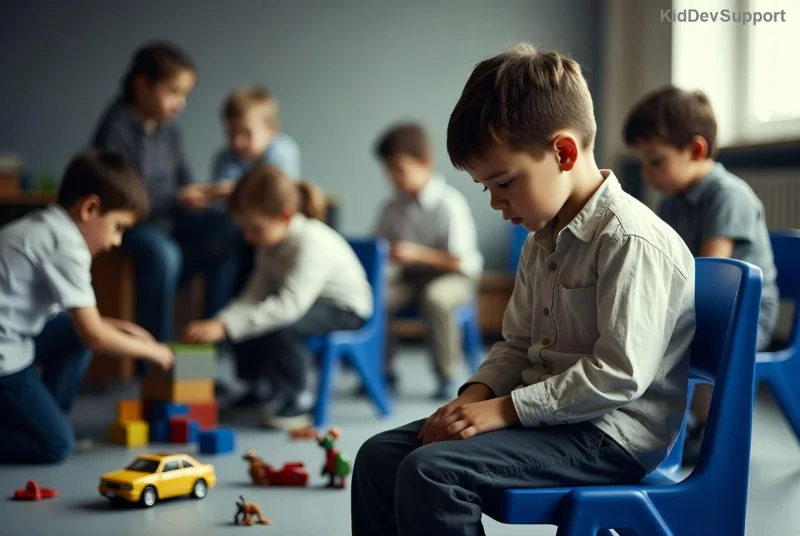
Children on the autism spectrum often face heightened school anxiety from unpredictable environments, loud noises, and new faces. Recent studies highlight that up to 40% experience intense first-day stress, but preparation mitigates this dramatically. Start by identifying your child's specific triggers—sensory overload, separation anxiety, or communication hurdles—to tailor your approach effectively.
- Sensory sensitivities: Bright lights, echoes, or crowded hallways.
- Social demands: Greeting peers or following group instructions.
- Routine shifts: Summer freedom to structured school days.
Addressing these early sets a strong foundation. Ready for the first key strategy?
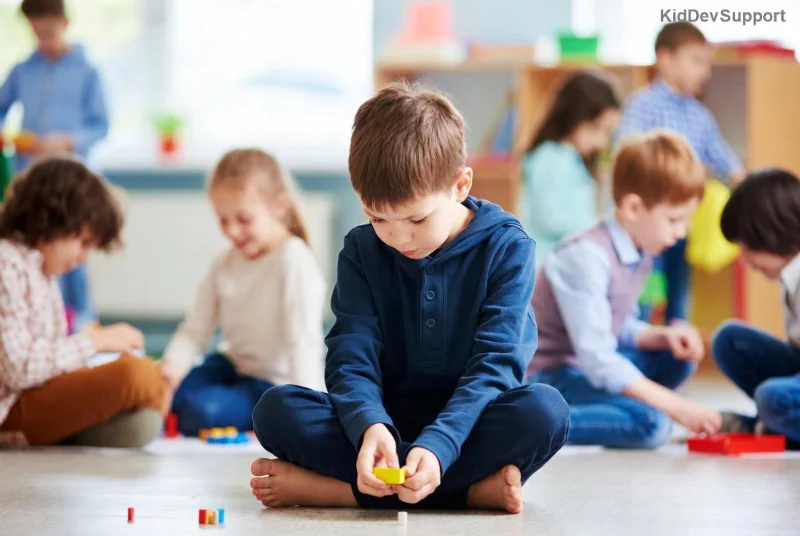
Build a Visual Schedule: The Cornerstone of Autism School Preparation
A visual schedule is non-negotiable for preparing for the first day of school with autism. It reduces uncertainty by mapping out the day with pictures or icons, helping children anticipate transitions. Use apps like Choiceworks or printable templates from autism resources.
- Create a morning routine board: Wake up → Breakfast → Dress → Backpack check.
- Include school-specific visuals: Bus ride → Classroom → Recess.
- Practice daily for two weeks pre-school to build familiarity.
This simple tool can cut meltdowns by 50%, per recent autism intervention data. Pro tip: Laminate for durability and add Velcro for interactivity.
Sensory Preparation Strategies to Ease Overload
Sensory strategies are vital since many autistic children process stimuli intensely. Prepare by desensitizing at home:
- Noise training: Play school sounds (bells, chatter) at low volumes, gradually increasing.
- Clothing trials: Test uniforms or new shoes weeks ahead to avoid fabric irritants.
- Sensory kit: Pack noise-canceling headphones 🎧, fidget toys, and weighted lap pads.
Consult occupational therapists for personalized plans. These steps ensure your child enters the classroom regulated and focused.
Practice Social Skills for Confident Interactions
Social scenarios spike anxiety on the first day of school. Role-play common situations:
| Scenario |
Practice Tip |
Visual Aid |
| Greeting teacher |
Use scripted phrases: "Good morning, Ms. Smith!" |
Photo of teacher |
| Finding seat |
Practice desk navigation with a mock setup |
Seating chart printout |
| Line up for recess |
Role-play waiting turns |
Icons of kids in line |
This table serves as your quick-reference autism school preparation checklist. Involve siblings or peers for realism, fostering genuine confidence.
![Visual schedule for autistic child school routine]()
Master Communication Tools and IEP Advocacy
Effective communication bridges gaps. If your child is nonverbal or echolalic, introduce:
- PECS cards (Picture Exchange Communication System) for requests.
- Social stories: Short narratives like "On the first day, I meet friends and learn new things."
- IEP meetings: Share prep details with educators pre-start.
Recent guidelines emphasize collaborative IEPs for seamless transitions. Schedule a tour if possible—virtual or in-person—to familiarize your child with the space.
Craft the Perfect Morning Routine and Backpack Essentials
A consistent morning routine prevents rushes:
- 5:45 AM: Gentle wake-up with favorite music.
- 6:00 AM: Visual timer for breakfast.
- 6:30 AM: Review daily schedule together.
- 7:00 AM: Depart with high-fives for positivity 😊.
Backpack must-haves:
- ID card with emergency contacts.
- Favorite snack for blood sugar stability.
- Change of clothes for accidents.
- Calming item like a stress ball.
These ensure readiness without overload.
![Happy child with autism on first school day]()
Collaborate with School for Ongoing Support
Don't go solo—partner with teachers via email previews of your prep. Request a buddy system or quiet corner. Track progress post-day one and adjust. Long-term, this builds a supportive ecosystem.
Final Thoughts: Empower Your Child's School Journey
Preparing for the first day of school with autism empowers independence and joy. Implement these steps now: Start with visuals, practice relentlessly, and communicate openly. Your proactive efforts yield lasting success—watch your child flourish. Share your wins in comments below, and bookmark this for back-to-school seasons. You've got this! 🚀