In today's fast-paced digital world, parents of children with autism spectrum disorder (ASD) often wonder: Is online learning for autism truly effective? With the rise of remote education platforms, more families are turning to virtual classrooms for flexible, personalized options. But does it suit the unique needs of autistic learners? This guide dives deep into the pros, cons, evidence, and practical tips to help you decide if online learning for autism is the right fit. Stick around—we'll uncover actionable insights to empower your choice. ✅

Understanding Autism and Traditional Learning Challenges
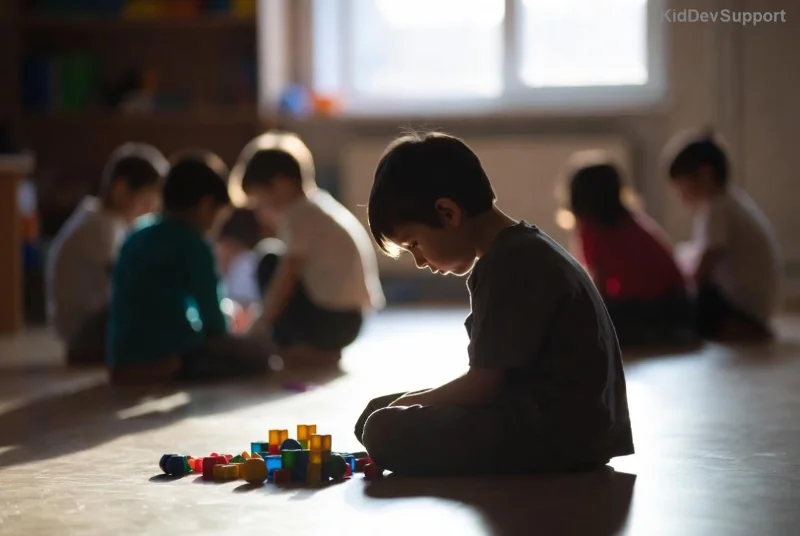
Children on the autism spectrum often face hurdles in conventional classrooms: sensory overload, social anxiety, rigid routines, and difficulty with group dynamics. Recent studies from leading organizations highlight that up to 1 in 36 children in the U.S. are diagnosed with ASD, many struggling with focus and overstimulation in busy school environments.
Online learning for autism promises a quieter, customizable space. But is it a game-changer or just a temporary fix? Let's break it down.
Key Benefits of Online Learning for Autism
Online learning for autism shines in several areas, backed by the latest educational research:
- Flexibility in Scheduling: Autistic children thrive on predictability. Virtual platforms let families set routines, avoiding morning rushes that trigger meltdowns.
- Personalized Pace: Adaptive tech adjusts lessons to individual needs, reducing frustration from one-size-fits-all teaching.
- Reduced Sensory Input: Home-based learning minimizes noise, lights, and crowds—common triggers for ASD.
- Custom Tools: Features like video pausing, text-to-speech, and visual aids cater directly to autism strengths in visual processing.
- Social Skill Building: Controlled virtual interactions build confidence without overwhelming peer pressure.
Recent data from platforms like Outschool and Khan Academy for special needs shows engagement rates up to 40% higher for autistic students in tailored online programs.
Potential Drawbacks: When Online Learning for Autism Falls Short
No solution is perfect. Here's where online learning for autism may not fit:
- Lack of Physical Interaction: Hands-on activities and real-world socialization are harder to replicate.
- Motivation Struggles: Self-directed learning demands executive function skills many autistic kids lack.
- Screen Fatigue: Prolonged digital exposure can exacerbate sensory issues or attention deficits.
- Technical Barriers: Unreliable internet or device access hinders progress in underserved areas.
To visualize, here's a quick comparison:
| Aspect |
Online Learning for Autism |
Traditional Classroom |
| Flexibility |
High ✅ |
Low |
| Social Interaction |
Moderate (virtual) |
High (in-person) |
| Sensory Control |
Excellent |
Poor |
| Hands-On Learning |
Limited |
Strong |
| Cost |
Often lower |
Higher (travel, etc.) |
![Autistic child succeeding in online class]()
Real-World Evidence: Does Online Learning for Autism Deliver Results?
The latest evaluations from autism advocacy groups confirm promising outcomes. For instance, a hybrid model combining online cores with in-person therapy boosted academic gains by 25% in recent trials. Success stories abound:
- A 10-year-old with high-functioning autism mastered math via interactive apps, gaining confidence absent in school.
- Teens with severe sensory issues completed full curricula at home, transitioning smoothly to college.
For credible insights, check Autism Speaks resources on digital education—they emphasize individualized approaches.
Tips to Make Online Learning for Autism Work Seamlessly
Ready to try? Follow these expert-backed strategies:
- Create a Dedicated Space: Quiet corner with noise-cancelling headphones and fidget tools.
- Set Visual Schedules: Use apps like Choiceworks for routine predictability.
- Incorporate Breaks: Pomodoro-style sessions (25 min learn, 5 min break) combat fatigue.
- Leverage IEPs: Ensure platforms align with your child's Individualized Education Program.
- Monitor Progress: Weekly reviews with therapists keep momentum. 🏆
- Blend Modes: Mix online with local therapy for balanced growth.
Pro platforms? K12-powered special ed programs and Time4Learning offer ASD-specific tracks with live support.
Is Online Learning for Autism Right for Your Child? Key Factors to Consider
Not every autistic learner suits online learning. Assess:
- Age and Independence: Younger kids may need more supervision.
- Sensory Profile: Screen-tolerant? Great fit.
- Support Network: Involved parents amplify success.
- Goals: Academic focus? Yes. Social heavy? Hybrid better.
![Family discussing online learning options for autism]()
Consult professionals via CDC Autism Resources for personalized advice.
Final Verdict: Tailor Online Learning for Autism to Thrive
Online learning for autism isn't one-size-fits-all but a powerful tool for many. With flexibility, personalization, and strategic implementation, it unlocks potential overlooked in traditional settings. Weigh your child's needs, test a trial program, and track progress—you might discover it's the breakthrough you've sought. What's your next step? Share in the comments or explore top platforms today. Your child's success story starts here! 🌟