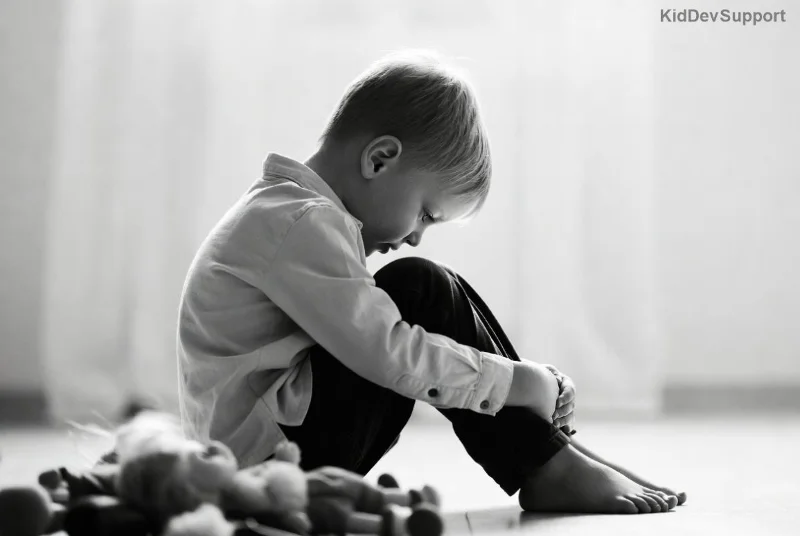
Imagine thriving in a high-powered career, maintaining flawless social graces, yet feeling like an alien in your own life. For countless women, this is reality—until a late diagnosis of autism finally explains the exhaustion behind the facade. Recent data reveals a surging trend: women are diagnosed with autism in women far later than men, often in adulthood. This isn't just anecdotal; it's a pattern backed by the latest clinical observations and research. Why is late diagnosis of autism in women becoming the norm? Let's break it down.

Understanding Autism in Women: A Different Presentation
Autism spectrum disorder (ASD) manifests differently across genders. While boys often show clear signs like repetitive behaviors early on, girls and women tend to internalize or mask traits. The latest studies highlight that the female autism phenotype is subtler, leading to underdiagnosis in childhood. This sets the stage for late diagnosis of autism in women, with many only seeking answers after burnout, anxiety, or relationship breakdowns.
Top Reasons Behind the Late Diagnosis Trend
Several interconnected factors fuel this growing issue. Here's what the newest evidence points to:
1. Autism Masking in Women: The Art of Camouflaging
Women excel at "masking"—mimicking neurotypical behaviors to blend in. This survival strategy hides core autism in women traits like sensory sensitivities or social confusion. Recent neuroimaging confirms that masking demands immense cognitive effort, leading to mental health crises later. 🧠 Why does this delay diagnosis? Clinicians miss it because women appear "fine" on the surface.
2. Atypical Symptoms That Fly Under the Radar
Unlike the stereotypical image of autism, women often experience intense internal monologues, perfectionism, or eating disorders as proxies for autistic traits. The latest diagnostic criteria updates emphasize these nuances, yet many tools remain male-centric. Result? Late diagnosis of autism in women spikes into the 30s, 40s, or beyond.
3. Gender Bias in Diagnostics
Historical research skewed toward males creates blind spots. Newer guidelines from health authorities stress inclusive screening, but implementation lags. Women report being dismissed as "overly anxious" rather than autistic—a bias perpetuated in primary care.
4. Societal Pressures and Life Stages
Expectations for women to be nurturing and socially adept amplify masking. Motherhood or career demands often trigger meltdowns, prompting first evaluations. The trend accelerates as more women share stories online, normalizing adult diagnosis.
Autism Symptoms: Men vs. Women Comparison
| Symptom Category |
Typical in Men |
Typical in Women |
| Social Interaction |
Obvious withdrawal |
Selective friendships, intense one-sided bonds |
| Repetitive Behaviors |
Visible stimming (e.g., hand-flapping) |
Internal rituals, collecting |
| Sensory Processing |
Meltdowns from overload |
Subtle shutdowns, migraines |
| Communication |
Literal speech delays |
Overly formal language, info-dumping |
This table illustrates why late diagnosis of autism in women persists—symptoms don't match outdated checklists.
![Women navigating social masking in autism]()
The Devastating Impact of Late Diagnosis
Delayed recognition exacts a toll: higher rates of depression, suicidal ideation, and chronic fatigue. Recent longitudinal data shows undiagnosed autistic women face 3x the risk of burnout. Yet, diagnosis brings relief—validating lifelong struggles and opening doors to tailored support like therapy or accommodations. Stories abound of women finally embracing their neurodiversity post-diagnosis. 😊
Shifting Tides: New Awareness Driving Change
Social media and advocacy have spotlighted autism in women. Platforms buzz with #ActuallyAutistic testimonials, pressuring healthcare to adapt. The latest training modules for professionals now include female-specific modules. Expect more diagnoses as awareness peaks— but proactive steps are key.
For deeper insights, check this CDC resource on ASD facts.
![Path to autism diagnosis and empowerment for women]()
How Women Can Seek Earlier Autism Diagnosis
Don't wait for crisis. Start with:
- Self-Assessments: Tools like the AQ or RAADS-R flag traits (consult a pro for validation).
- Track patterns: Sensory issues? Social fatigue? Journal them.
- Seek specialists: Neuropsychologists versed in adult female autism.
- Build support: Join communities for shared experiences.
🩺 Early action transforms lives. If you've masked for years, a diagnosis could be your breakthrough.
Conclusion: Time to Unmask the Trend
The rise in late diagnosis of autism in women signals progress in understanding neurodiversity, but also a call to action. By recognizing masking, challenging biases, and promoting inclusive diagnostics, we can shift this trend. Women deserve answers sooner—empowering them to thrive authentically. Share your story below or consult a specialist today. What's holding back diagnosis in your world?