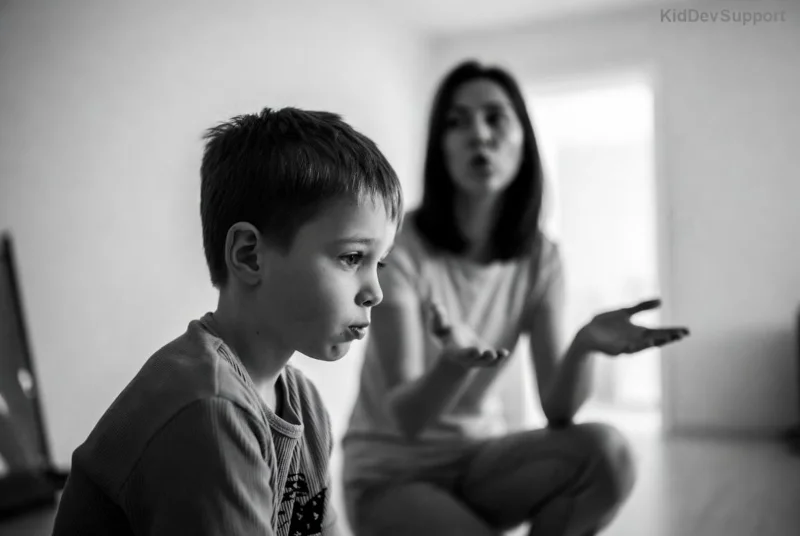
Life as a busy autistic adult often means juggling demanding jobs, social commitments, and sensory challenges. Without intentional self-care routines for busy autistic adults, burnout looms large. This guide delivers concise, actionable strategies backed by the latest insights from autism research. You'll learn how to build sustainable habits that honor your neurology, reduce meltdowns, and reclaim energy. Ready to transform chaos into calm? Let's dive in.

Why Self-Care Routines Matter for Autistic Adults
Autistic adults frequently face heightened sensory sensitivities, executive function hurdles, and masking fatigue. Recent studies highlight that consistent self-care routines for busy autistic adults can lower anxiety by up to 40% and improve focus. Prioritizing self-care isn't selfish—it's essential for sustainability. Focus on predictability, sensory regulation, and recovery to prevent overload.
Morning Self-Care Routines: Start Strong and Sensory-Safe
Kick off your day with rituals that ground you. A solid morning routine sets a positive tone, minimizing decision fatigue.
- Wake-up ritual: Use a gentle alarm like sunrise simulation lights 🥇. Avoid abrupt sounds.
- Hydration first: Drink 16 oz of water with lemon for instant alertness.
- Mindful movement: 5-10 minutes of stretching or yoga tailored for sensory needs—no loud music.
- Nutrient-dense breakfast: Opt for protein-packed smoothies to stabilize blood sugar.
These steps take under 30 minutes but build resilience. Curious how to adapt for workdays? Keep reading for midday mastery.
Workday Self-Care Routines: Stay Productive Amid Overload
Busy schedules amplify autistic challenges like noise and fluorescent lights. Integrate micro-habits to recharge on the fly.
| Time Slot |
Routine |
Benefit |
| Every 90 mins |
Deep pressure break (weighted blanket or compression vest) 💪 |
Reduces sensory overload |
| Lunch |
Noise-cancelling headphones + quiet walk 🌳 |
Recharges executive function |
| Afternoon |
Fidget tools or stimming breaks |
Boosts concentration |
Track these in a simple app for accountability. Pro tip: Customize based on your sensory profile—visual schedules work wonders.
Evening Wind-Down: Self-Care Routines for Recovery
End-of-day decompression is crucial to process stimuli and prep for restful sleep, a common struggle for autistic adults.
- Digital sunset: Screen curfew 1 hour before bed. Use blue-light blockers earlier.
- Sensory shower: Warm water with calming scents like lavender for full-body regulation.
- Journaling: Bullet-point wins and overload triggers—5 minutes max.
- Progressive muscle relaxation: Tense-release cycle to melt tension.
These routines signal safety to your nervous system, improving sleep quality per latest neurodiversity research.
![Busy autistic adult unwinding with evening self-care routine]()
Sensory-Friendly Nutrition and Exercise for Busy Autistic Adults
Fuel matters. Self-care routines for busy autistic adults include gut-brain axis support, as many experience sensitivities.
Nutrition tips:
- Meal prep low-texture foods: Smoothies, soups, soft proteins.
- Hydrate with infused water—aim for half your body weight in ounces daily 💧.
- Supplements like magnesium (consult a doctor) for calm.
Exercise hacks: Short, solo activities like swimming or cycling in quiet spaces. 20 minutes daily cuts stress hormones.
For evidence-based advice, check Autism Speaks resources on sensory diets.
Mental Health Boosters: Mindfulness and Boundaries
Incorporate autism-affirming practices:
- Special interests time: 15 minutes daily for joy and dopamine 🏆.
- Boundary scripts: "I need a quiet moment" rehearsals.
- Therapy integration: CBT adapted for autism or neurodiversity-affirming coaching.
Build a self-care toolkit: Noise-cancelling gear, chews, and timers. Rotate to avoid habituation.
Sample Weekly Self-Care Routine Planner
| Day |
Focus |
Quick Win |
| Monday |
Energy build |
Protein breakfast + walk 😊 |
| Wednesday |
Sensory reset |
Weighted blanket session |
| Weekend |
Deep recovery |
Special interest immersion |
Overcoming Common Barriers to Self-Care Routines
Executive dysfunction? Start with one habit using the "2-minute rule." Partner accountability apps help too. Track progress weekly to celebrate small wins—your future self will thank you.
Implementing these self-care routines for busy autistic adults isn't about perfection; it's about progress. You'll notice sharper focus, fewer shutdowns, and more joy. Which routine will you try first? Share in the comments and build your thriving life today! 🏅