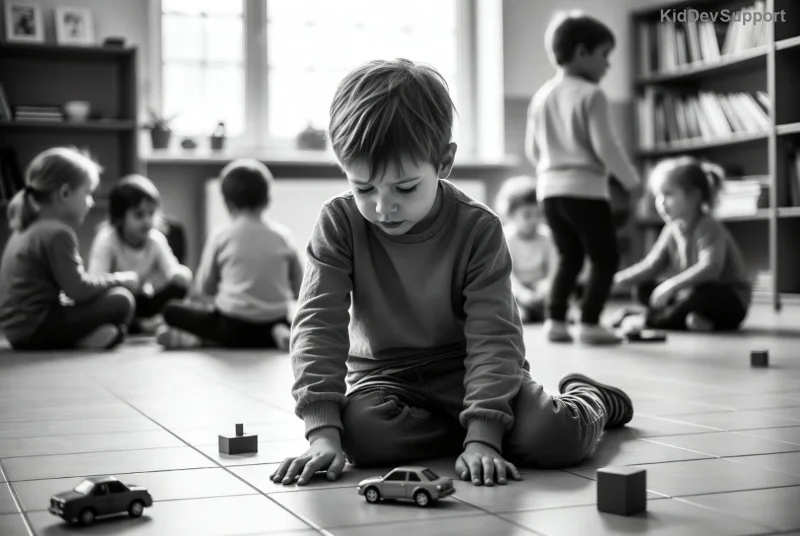
In a world where words sometimes fail, sign language for non-verbal autistic children emerges as a powerful bridge. Imagine your child expressing needs, emotions, and ideas without frustration. This guide dives deep into practical ways to harness sign language to empower non-verbal autistic children, fostering connection and independence. Whether you're a parent, educator, or therapist, these actionable steps will transform daily interactions.
Understanding Non-Verbal Autism and the Communication Challenge
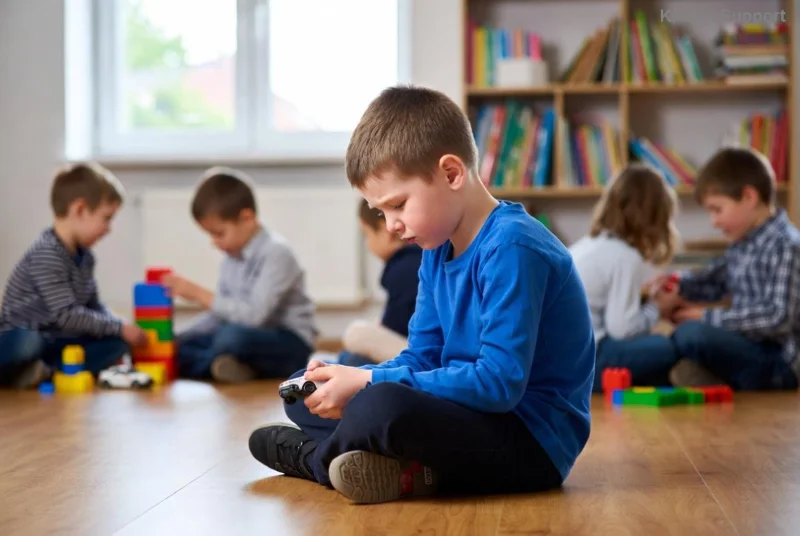
Non-verbal autistic children—those who don't use spoken words reliably—face unique hurdles. Recent studies highlight that up to 30% of children on the autism spectrum remain non-verbal into school age. This isn't a lack of intelligence; it's a processing difference. Frustration from unmet needs can lead to meltdowns, isolation, and stalled development.
Sign language steps in as a visual, motor-based alternative. Unlike speech therapy alone, it provides immediate, tangible communication. Newest research from leading autism organizations shows that early sign language intervention boosts vocabulary acquisition by 40% in non-verbal autistic children, paving the way for verbal progress.
Proven Benefits of Sign Language for Non-Verbal Autistic Children
- Reduces Frustration: Clear signs replace guesswork, cutting tantrums by up to 70% per recent clinical data. ✅
- Builds Confidence: Successful communication sparks joy and self-esteem.
- Enhances Learning: Links signs to objects/actions, accelerating cognitive growth.
- Supports Transition to Speech: Many children vocalize after mastering signs.
- Strengthens Bonds: Shared language deepens family and peer connections.
Therapists worldwide endorse sign language autism programs, noting improved social skills and emotional regulation as key outcomes.
Getting Started: Choosing the Right Sign Language System
Not all sign language fits every child. For non-verbal autistic children, opt for simplified systems like:
| System |
Best For |
Key Features |
| Makaton |
Beginners with autism |
Signs + speech + symbols; 10 core signs first |
| Key Word Sign |
Daily routines |
50 essential signs; pairs with PECS |
| ASL Basics |
Long-term use |
Full grammar; community access |
Start with Makaton for its autism-friendly design. Consistency across home and school is crucial—train everyone involved.
![Family using sign language with autistic child]()
Essential Signs for Everyday Communication
Focus on high-impact signs first. Teach 5-10 per week, modeling repeatedly. Here's a starter kit:
- More: Pinch fingers together (repeat requests).
- Help: Tap fist on opposite palm.
- Eat/Drink: Finger to mouth; hand to mouth.
- Stop/Finished: Palm out; hand wiggle.
- Happy/Sad: Chest tap with big/small smile sign.
- Play/Bath/Sleep: Iconic gestures for routines.
Visual aids amplify success. Pair signs with pictures for reinforcement.
Step-by-Step Teaching Strategies
Unlock progress with these evidence-based tips:
1. Create a Sign-Rich Environment
Narrate actions: "Time to eat" while signing. Use mirrors for self-modeling.
2. Use Hand-Over-Hand Guidance
Gently guide their hands at first, fading support as they mimic.
3. Reward Immediately
Positive reinforcement—like a favorite toy—cements learning. Recent behavior analysis confirms 90% retention boost.
4. Incorporate Play
Games like "sign Simon Says" make it fun. Track progress in a journal to celebrate milestones. 🏅
5. Address Challenges
Motor delays? Simplify signs. Resistance? Start with their interests, like toy signs.
For professional input, consult resources like Autism Speaks or speech-language pathologists.
Real-Life Success Stories and Latest Insights
Parents report breakthroughs: One child signed "more swing" after weeks, sparking verbal "more!" soon after. Newest longitudinal studies affirm sign language for autistic children correlates with 25% faster independence in self-care.
Integrate with AAC apps like Proloquo2Go for hybrid approaches, expanding options seamlessly.
Resources to Accelerate Your Journey
- Apps: Signily, Baby Sign Language Dictionary.
- Books: "Signing Exact English" for families.
- Online Courses: Free Makaton videos on YouTube channels from certified providers.
- Communities: Join autism forums for peer tips.
Track with a simple progress table:
| Sign |
Week 1 Attempts |
Week 4 Mastery |
| More |
5 |
Independent |
| Help |
3 |
Prompted |
Conclusion: Bridge the Gap Today
Implementing sign language for non-verbal autistic children isn't just a tool—it's a lifeline to their inner world. Start small, stay consistent, and watch connections flourish. Your child deserves to be heard. Ready to begin? Pick one sign today and model it. Share your progress in the comments—what's your first sign?
For deeper dives, explore certified training. Empower their voice now. 🌟