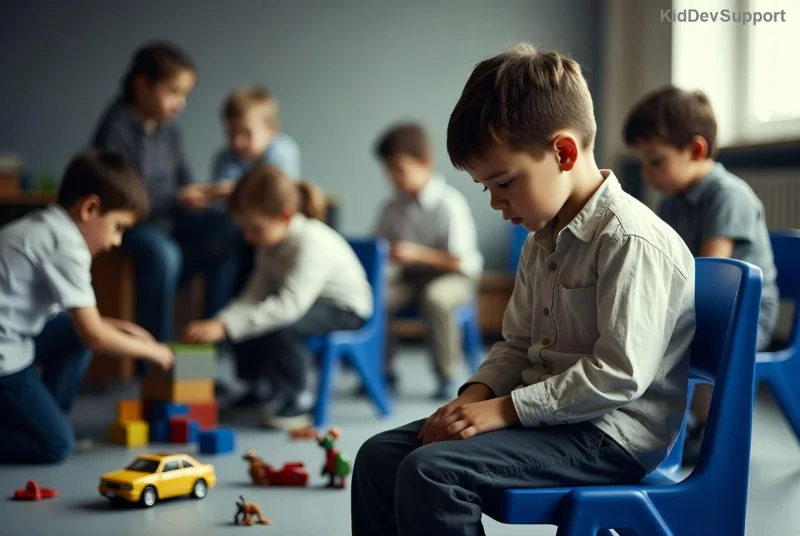
Imagine a world where behaviors we now recognize as part of the autism spectrum were dismissed as madness or demonic possession. The history of autism is a riveting tale of misconception turning into enlightenment. From isolated observations to a global recognition of neurodiversity, our grasp on autism has transformed profoundly. This article dives into that evolution, highlighting pivotal shifts that shape support today. Stick around to uncover how far we've come—and what's next. 🩺
Early Sparks: The First Glimpses of Autism-Like Traits
In the earliest chapters of the history of autism, clinicians noted children who seemed detached from the world. These weren't formal diagnoses but keen observations of social withdrawal, repetitive actions, and unique communication styles. Thinkers described "feral children" or those with profound isolation, often blending them with intellectual disabilities or schizophrenia.
These accounts laid the groundwork, but without a unified label, understanding remained fragmented. It wasn't until the mid-20th century that autism emerged as a distinct concept, marking the true dawn of structured autism understanding.
The Naming Moment: Leo Kanner and the Birth of Autism
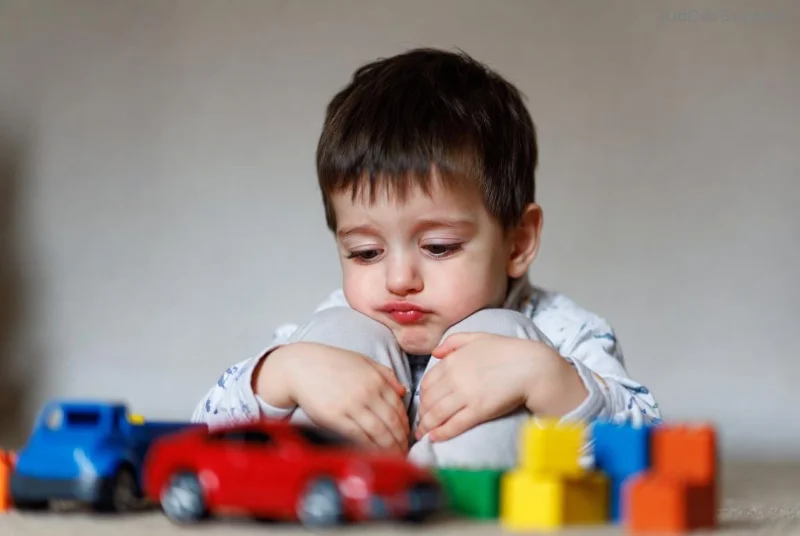
The pivotal breakthrough came when a visionary psychiatrist cataloged 11 children exhibiting "autistic aloneness." He coined "autistic disturbances of affective contact," spotlighting core traits like impaired social interaction and insistence on sameness. Simultaneously, across the ocean, another researcher described similar "infantile psychoses" with a focus on mechanical routines.
This dual discovery solidified autism as its own entity, separate from schizophrenia. Yet, early views still leaned toward psychogenic causes—blaming parental dynamics rather than biology. This era ignited research but sowed seeds of controversy.
The Dark Chapter: Refrigerator Mothers and Blame Games
One of the most regrettable detours in the history of autism was the "refrigerator mother" theory. Popularized by influential figures, it posited that emotionally distant mothers caused autism through cold parenting. Families endured guilt and stigma, with therapies aimed at "fixing" parents instead of supporting kids.
This misconception dominated for decades, delaying biological insights. Advocacy from affected families eventually dismantled it, paving the way for evidence-based views. It's a stark reminder of how societal biases can cloud autism understanding.
A Paradigm Shift: Embracing Biological and Genetic Roots
As research advanced, the tide turned decisively. Twin studies revealed high heritability, while brain imaging showed structural differences in autistic individuals. Environmental factors like prenatal exposures joined the conversation, but genetics took center stage.
By the late 20th century, diagnostic manuals expanded criteria, recognizing milder forms. This evolution birthed the autism spectrum disorder (ASD) framework, accommodating vast variability—from profound needs to high-functioning brilliance.
![Modern brain scans highlighting neurological differences in autism spectrum]()
Key Milestones in the Evolution of Autism Understanding
| Era |
Major Development |
Impact |
| Early 20th Century |
Initial case observations |
Recognition of unique traits |
| Mid-20th Century |
First autism diagnoses |
Distinct from other conditions |
| Late 20th Century |
Rejection of parental blame |
Shift to biology |
| Early 21st Century |
Spectrum model adoption |
Inclusive diagnostics |
| Recent Years |
Neurodiversity paradigm |
Strengths-focused support |
The Spectrum Revolution: From Narrow to Broad Recognition
Fast-forward to diagnostic overhauls: Autism became a spectrum, encompassing Asperger's syndrome and pervasive developmental disorders. This inclusive lens boosted diagnosis rates, especially among girls and adults previously overlooked.
Prevalence estimates soared, prompting global awareness campaigns. Interventions evolved too—from behavioral therapies like ABA to speech and occupational support—tailored to individual strengths.
Today's Frontier: Neurodiversity and Cutting-Edge Insights
In the newest phase of autism understanding evolution, the neurodiversity movement shines. Autistic voices advocate viewing autism not as a deficit but a natural brain variation. Strengths in pattern recognition, loyalty, and innovation are celebrated. 💡
Recent genetic studies pinpoint hundreds of risk genes, fueling precision medicine. AI-driven diagnostics and wearable tech for real-time support represent the bleeding edge. For instance, the latest CDC data shows 1 in 36 children identified with ASD, underscoring urgency for inclusive education and employment. CDC Autism Data.
Therapies now emphasize acceptance, with sensory-friendly environments and peer mentoring. Research into gut-brain links and oxytocin therapies promises personalized paths forward.
![Diverse group representing the autism spectrum in modern society]()
What Lies Ahead in Autism's Story?
The history of autism teaches resilience: from shadows of blame to lights of empowerment. As we approach 2026 and beyond, expect deeper genomic mapping, equitable access to services, and societal shifts toward inclusion. Whether you're a parent, educator, or curious reader, grasping this evolution equips you to champion autistic thriving.
Ready to dive deeper? Explore resources from trusted orgs like Autism Speaks or the NIMH. Your journey into autism understanding continues here—what question will you tackle next? 🌟