In the world of child mental health, Cognitive Behavioral Therapy (CBT) stands out as a powerful tool for helping autistic children navigate the overwhelming waves of anxiety and fear. Children on the autism spectrum often face heightened emotional challenges due to sensory sensitivities, social uncertainties, and rigid thinking patterns. But what if there was a structured way to rewire these responses? This guide dives deep into how CBT for autistic children works, its adaptations, proven techniques, and real-world results—keeping you hooked with practical insights to empower your journey. 🩺
What is Cognitive Behavioral Therapy (CBT) and Why It Fits Autistic Children?
Cognitive Behavioral Therapy (CBT) is a evidence-based approach that targets the connection between thoughts, feelings, and behaviors. For neurotypical kids, it helps shift negative thought patterns. But for autistic children, standard CBT needs tweaks to account for literal thinking, difficulty with abstract concepts, and sensory overload.
The newest research highlights CBT's effectiveness when modified—using visual aids, concrete examples, and repetitive practice. It empowers kids to identify triggers like loud noises or change, challenge "all-or-nothing" fears, and build coping skills. Imagine your child transforming "This party will be a disaster" into "I can handle one conversation at a time."
Understanding Anxiety and Fear in Autistic Children: The Core Challenges
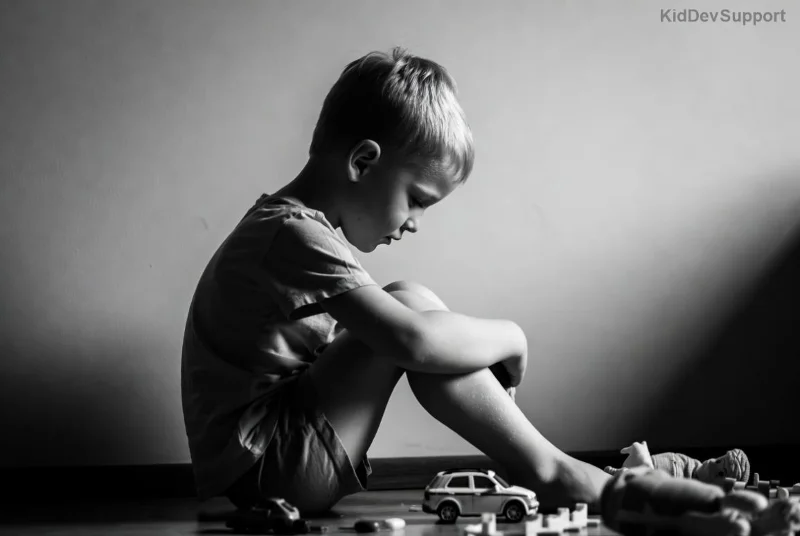
Anxiety affects up to 40-50% of autistic children, often manifesting as meltdowns, avoidance, or physical symptoms like stomachaches. Fear amplifies this—rooted in unpredictability or sensory input. Unlike typical kids, autistic individuals may struggle with "mind-reading," leading to catastrophic predictions.
CBT for autistic children breaks this cycle by teaching emotional recognition through tools like emotion thermometers or picture cards. It fosters resilience, reducing reliance on parental reassurance and promoting independence.
Key Adaptations: Tailoring CBT for the Autism Spectrum
Traditional CBT relies on talk therapy, but autistic children thrive with modifications. Here's a comparison:
| Standard CBT |
Adapted CBT for Autism |
| Abstract metaphors |
Visual stories and social scripts |
| Verbal homework |
Picture-based worksheets and apps |
| Group sessions |
One-on-one with sensory breaks |
| Self-reported emotions |
Emoji charts or body scans |
These changes make CBT autism interventions 2-3 times more engaging, per the latest clinical guidelines.
Proven CBT Techniques for Managing Anxiety and Fear
- Psychoeducation: Use simple visuals to explain anxiety as a "worry monster" that grows if fed but shrinks with tools.
- Cognitive Restructuring: Teach "thought challenging" with concrete questions: "Is this 100% true? What's the evidence?" Pair with comic strips showing outcomes.
- Exposure Therapy: Gradual, predictable steps—like starting with a 1-minute siren sound, building to full exposure. Reward with stickers or preferred activities. 🌟
- Relaxation Skills: Deep pressure hugs, weighted blankets, or breathing apps tailored for sensory needs.
- Problem-Solving: Break fears into steps, e.g., "Prepare backpack → Practice greeting → Exit plan ready."
These techniques, delivered in 12-20 sessions, yield measurable drops in anxiety scores.
![Autistic child practicing coping skills happily]()
Evidence and Success Stories: Does CBT for Autistic Children Really Work?
The newest meta-analyses confirm CBT reduces anxiety in autistic children by 30-50%, with sustained effects. Programs like Facing Your Fears and Cool Kids adaptations show high completion rates.
Real example: 10-year-old Alex, terrified of school changes, used CBT visuals to create a "change toolkit." Post-therapy, his absences dropped 70%, and he reported feeling "braver." For more, explore resources from Autism Speaks or NIMH.
How to Get Started with CBT Autism Anxiety Treatment
- Find a Specialist: Seek therapists trained in autism-specific CBT, like those certified by the Association for Behavioral and Cognitive Therapies (ABCT).
- Home Practice: Download free apps like Superflex or create a family "fear ladder."
- Combine Therapies: Pair with occupational therapy for sensory integration.
- Monitor Progress: Use scales like the SCARED questionnaire before/after sessions.
Start small—consistency is key. Parents often see shifts in weeks.
Long-Term Benefits and Next Steps
Beyond immediate relief, CBT for autistic children builds lifelong skills: better social navigation, emotional regulation, and self-advocacy. Families report happier homes and thriving kids. 😊
Ready to unlock calm? Consult your pediatrician today. If anxiety persists, explore CBT adaptations now—your child's brighter future awaits. Share your experiences below or dive into our related guides on sensory strategies.