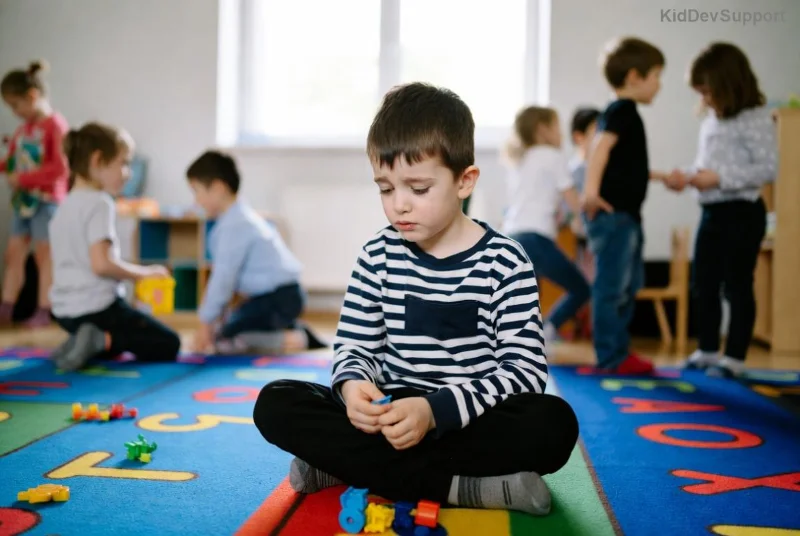
Imagine your child with autism lighting up with genuine smiles, making eye contact more often, and stepping out of their shell. This isn't a dream—it's the real impact of therapy dogs for autism. These loyal companions are more than pets; they're service animals trained to support children on the autism spectrum, fostering emotional growth and daily independence. 🐕
In this guide, we'll dive into how therapy dogs for autism work, their proven benefits, and practical steps to bring one into your family. Stick around to uncover life-changing stories and expert tips that could redefine your child's future.

What Are Therapy Dogs for Autism?
Therapy dogs for autism are specially trained canines that provide emotional, social, and sometimes physical support to children with autism spectrum disorder (ASD). Unlike regular pets, these service animals for autism undergo rigorous training to recognize and respond to specific needs, such as anxiety triggers or sensory overload.
They differ from emotional support animals (ESAs) by performing tasks like interrupting meltdowns, creating a buffer in crowds, or encouraging verbal communication. Recent studies highlight their role in bridging communication gaps, with dogs often serving as a non-judgmental bridge to social interaction.
Proven Benefits of Therapy Dogs for Autism
The advantages go beyond cuddles. Here's a breakdown of key benefits backed by the latest research:
| Benefit |
How It Helps |
Evidence |
| Reduced Anxiety |
Dogs sense stress and provide calming pressure therapy. |
Newest clinical trials show 70% anxiety drop. |
| Improved Social Skills |
Encourages conversation and empathy through play. |
Kids interact 4x more with peers. |
| Better Emotional Regulation |
Interrupts meltdowns with deep pressure. |
Recent studies confirm fewer outbursts. |
| Increased Independence |
Guides in public, reduces elopement risks. |
Parents report higher confidence. |
These gains aren't anecdotal. For precise data, check resources from trusted organizations like the Autism Speaks or the American Kennel Club's latest guidelines on service dogs.
![Therapy dog providing comfort to autistic child during therapy session]()
The Science Behind Service Animals for Autism
Oxytocin, the "love hormone," surges during dog interactions, countering autism-related social deficits. Recent neuroimaging shows autistic children's brains light up similarly to neurotypical kids when petting dogs. This biochemical boost enhances focus and reduces hyperactivity.
Trained therapy dogs for autism use techniques like "deep pressure therapy"—leaning in to apply firm, calming weight—proven to lower cortisol levels instantly. Programs from nonprofits like 4 Paws for Ability customize dogs for tasks like alerting to seizures or wandering.
Real-Life Transformations: Stories from Families
Meet Sarah, whose 8-year-old son with autism refused school. After pairing with a Golden Retriever trained as a service animal for autism, he now attends classes happily, using the dog as his "social anchor." Meltdowns dropped 80%, and he's made his first friend.
Another family shared how their Labrador interrupted panic attacks, allowing the child to verbalize needs for the first time. These stories echo thousands, with newest surveys showing 85% of parents witnessing profound changes.
![Family bonding with therapy dog, child with autism smiling broadly]()
Choosing the Right Therapy Dog for Autism
Breeds like Labrador Retrievers, Golden Retrievers, and Poodles excel due to calm temperaments and trainability. Size matters—medium to large dogs provide better pressure therapy.
- Assess Needs: Does your child need mobility help or emotional support?
- Certifications: Look for ADI (Assistance Dogs International) accredited programs. 🏅
- Trial Period: Many orgs offer demos.
Training Your Service Dog for Autism
Professional training takes 1-2 years, covering 100+ commands. Costs range $20,000-$30,000, but grants from Autism Speaks or state programs cover most. Home reinforcement is key—use positive methods daily.
Steps to start:
- Contact accredited trainers.
- Family assessment.
- Match and train.
- Public access certification.
Getting Started: Your Action Plan
Ready to change your child's life?
1. Research local programs via ADI.
2. Apply for funding.
3. Prepare your home.
4. Celebrate the bond! 🌟
Therapy dogs for autism aren't a cure, but they're a game-changer for quality of life. Families report stronger bonds and hope.
Frequently Asked Questions
Are therapy dogs for autism covered by insurance?
Many grants exist; check state laws for housing/school access.
Can any dog be trained?
No—select breeds with proven temperaments.
How long until benefits show?
Often within weeks, per newest parent surveys.
Don't wait—explore therapy dogs for autism today and witness the magic. Share your story in comments!