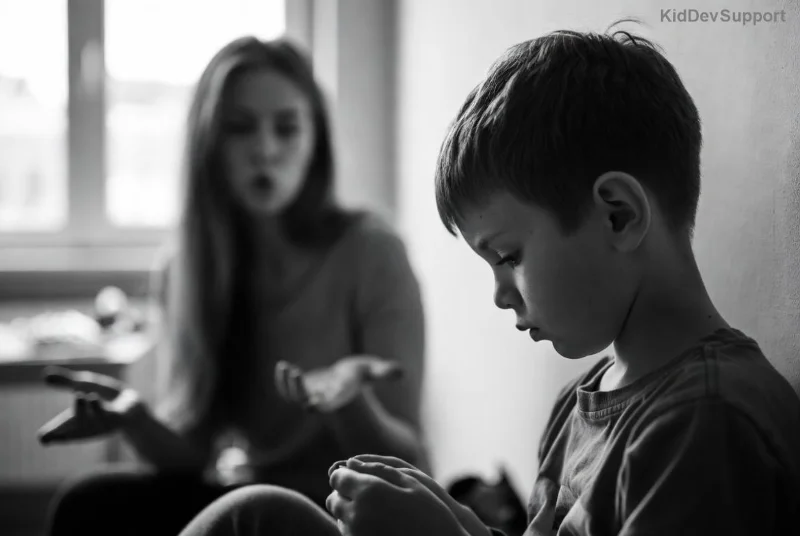
Imagine spending every day suppressing your true self just to blend in. For many on the autism spectrum, this is the reality of autism masking—a survival strategy that hides their neurodivergent traits to appear "normal." But at what cost? Recent research highlights how recognizing autism masking can prevent burnout and foster acceptance. In this guide, we'll uncover the signs, reasons, and solutions to support those silently struggling.
Whether you're autistic, a loved one, or a professional, understanding autism masking empowers change. Keep reading to learn how to spot it early and offer real help. 🚀
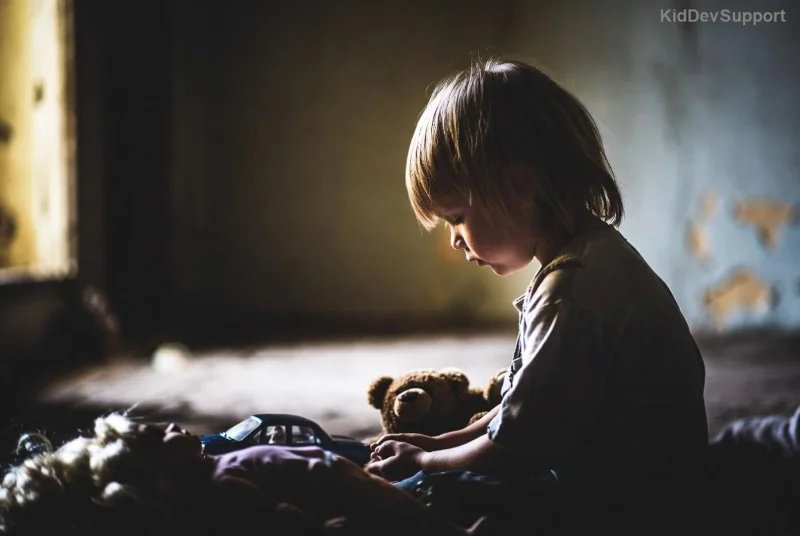
What is Autism Masking? The Art of Camouflage
Autism masking, also known as autism camouflage, involves consciously or unconsciously mimicking neurotypical behaviors to fit societal norms. Autistic individuals might force eye contact, script conversations, or suppress stimming (repetitive movements like hand-flapping) to avoid standing out.
Latest studies from leading neurodiversity experts show that up to 70% of autistic adults engage in masking, often starting in childhood. It's not deception—it's adaptation born from rejection fears. But masking demands immense cognitive energy, like running a mental marathon daily.
Key Signs of Recognizing Autism Masking: What to Watch For
Spotting autism masking requires attention to subtle cues. Here's a breakdown:
| Masking Behavior |
True Autistic Trait |
Red Flag Indicator |
| Forced small talk |
Preference for deep topics |
Exhaustion after social events |
| Rigid posture, no stimming |
Natural fidgeting or rocking |
Private meltdowns post-interaction |
| Perfect eye contact |
Avoids gaze naturally |
Blank stare or physical tension |
| Memorized responses |
Literal thinking |
Struggles with spontaneity |
✅ These signs often appear in high-functioning adults, especially women, who mask more effectively due to social pressures. Wondering if this describes someone you know? The next section reveals why it happens.
![Illustration of camouflaging autism traits in daily life]()
Why Do People Engage in Autism Masking? Roots of the Struggle
Autism masking stems from a world not built for neurodiversity. Autistic people mask to:
- Avoid bullying or exclusion—early experiences teach them "different" equals danger.
- Secure jobs and relationships—neurotypical standards dominate workplaces and social circles.
- Meet parental or societal expectations—many grow up hearing "just try harder."
Recent surveys by autistic-led organizations confirm masking peaks in professional settings, where 80% report it daily. But this camouflage creates a double life: outgoing publicly, drained privately. Curious about the toll? Let's explore the hidden costs.
The Devastating Impacts of Prolonged Autism Masking
Recognizing autism masking is crucial because the consequences are severe:
- Autistic burnout: Chronic exhaustion from sensory and social overload, mimicking depression.
- Mental health crises: Higher rates of anxiety, depression, and suicidality—latest data shows masked autistics are twice as likely to experience these.
- Identity loss: Suppressing traits erodes self-esteem, leading to late diagnoses in adulthood.
- Physical toll: Suppressed stimming causes muscle tension, headaches, and shutdowns.
For more on burnout, check this resource from the Autism Speaks expert guide. The exhaustion is real—many describe it as "soul-crushing." Ready to learn detection strategies?
![Visualizing the exhaustion from autism masking]()
How to Recognize Autism Masking in Yourself or Loved Ones
Self-reflection or gentle observation is key. Ask these questions:
- Do social interactions leave you depleted, needing hours to recharge? 💡
- Do you rehearse conversations or mimic others' mannerisms?
- Are there "alone time" rituals where your true self emerges?
- Do you feel relief unmasking in safe spaces?
Professionals use tools like the Camouflaging Autistic Traits Questionnaire (CAT-Q), validated in recent studies. If scores indicate high masking, seek assessment. Parents and partners: Notice post-event crashes or inconsistency between public/private behaviors.
Practical Ways to Support and Reduce Autism Masking
Ending the cycle starts with acceptance. Here's how:
- Create safe spaces: Encourage unmasking without judgment—celebrate stims and special interests. 🏆
- Educate workplaces: Advocate for flexible policies, like quiet rooms or scripted breaks.
- Therapy tailored to autism: CBT adapted for neurodiversity helps build authentic coping skills.
- Build communities: Connect via autistic-led groups for shared experiences.
Latest guidelines from the National Autistic Society emphasize accommodation over assimilation. Small changes yield big relief—imagine thriving without the mask!
Final Thoughts: Embrace Neurodiversity, Unmask the Future
Recognizing autism masking shines a light on a hidden epidemic, paving the way for empathy and support. By spotting the signs and fostering acceptance, we help autistic individuals live authentically, reducing burnout and boosting well-being. If this resonates, share your story or take the first step toward unmasking today.
Stay informed—neurodiversity is strength. What's one action you'll take? 😊