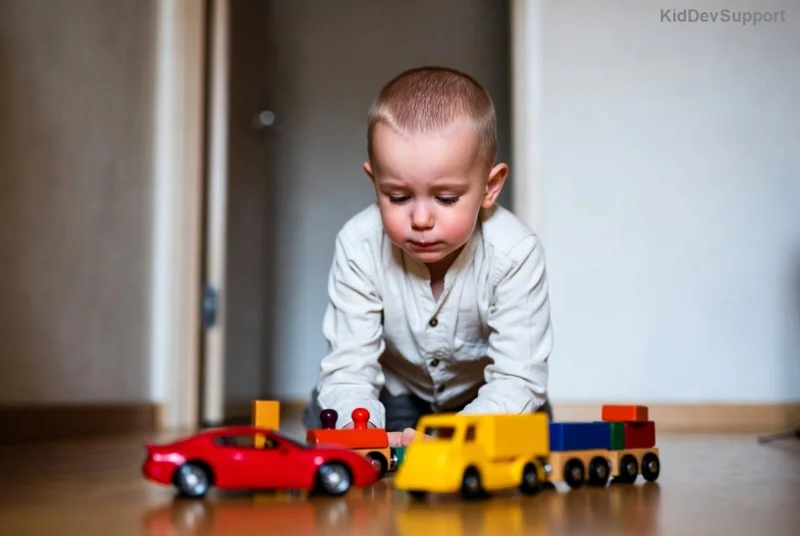
Have you ever wondered why autism spectrum disorder (ASD) seems more common in boys? The truth is, the impact of gender on autism symptoms creates a hidden gap in diagnosis and support. While males are diagnosed at a rate four times higher than females, recent research reveals many women and girls fly under the radar due to subtler signs. This article dives deep into these differences, helping you recognize gender differences in autism and advocate for better outcomes. 🩺
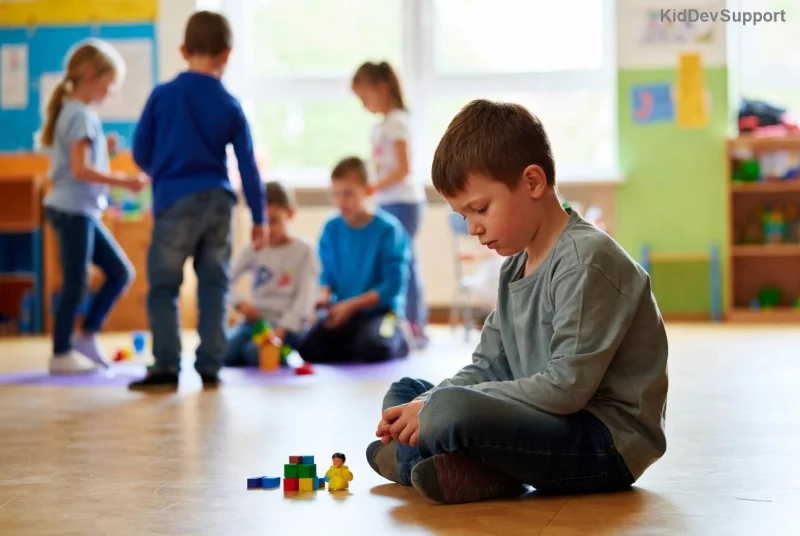
Core Autism Symptoms: A Quick Foundation
Autism spectrum disorder involves challenges in social communication, repetitive behaviors, and sensory sensitivities. But symptoms don't manifest uniformly. Newest studies highlight how biology and society shape expression, making the impact of gender on autism symptoms profound. Males often show overt traits, while females internalize them, leading to underdiagnosis.
Gender Differences in Autism: Males vs. Females
Males typically exhibit externalizing behaviors that catch attention early. Think intense meltdowns, hyperactivity, or fixation on objects. Females, however, master "camouflaging"—mimicking social norms to blend in—which masks their struggles.
Here's a clear comparison:
| Aspect |
Autism Symptoms in Males |
Autism Symptoms in Females |
| Social Interaction |
Direct avoidance or bluntness |
Intense people-pleasing, anxiety in groups |
| Repetitive Behaviors |
Visible stimming (e.g., hand-flapping) |
Private rituals (e.g., mental lists) |
| Emotional Regulation |
Aggression, shutdowns |
Internal anxiety, depression |
| Sensory Processing |
Overreactions to noise/light |
Subtle overload leading to fatigue |
This table underscores why autism symptoms in females often evade standard screening tools designed around male presentations. Curious about real-world examples? Keep reading to uncover the science behind these disparities.
Why Does Gender Influence Autism Symptoms?
Several factors drive gender differences in autism:
- Hormonal Effects: Estrogen in females may enhance social cognition, allowing better masking. Testosterone in males correlates with more rigid behaviors.
- Genetics: Newest genomic data shows females need a higher "genetic load" for symptoms to appear, explaining the diagnostic ratio.
- Social Expectations: Girls face pressure to be sociable, pushing them to hide traits. Boys' behaviors are flagged sooner.
Recent neuroimaging confirms brain connectivity differences: females show more typical patterns despite ASD, further complicating identification.
![Diverse group representing autism gender spectrum]()
Diagnostic Challenges and Gender Bias
The impact of gender on autism symptoms fuels a crisis: women are diagnosed later, often in adulthood after years of mental health mislabels like anxiety or eating disorders. One study estimates up to 80% of autistic females are undiagnosed or misdiagnosed initially.
Clinicians now advocate gender-specific tools. For instance, the CDC emphasizes observing camouflaging in girls. Early detection transforms lives—imagine accessing therapies before burnout sets in. What signs should you watch for in loved ones?
Treatment and Support Tailored by Gender
Understanding gender differences in autism guides personalized strategies:
- For Males: Behavioral therapies focus on emotional regulation and social skills training.
- For Females: Address co-occurring anxiety with CBT adapted for masking, plus sensory integration.
Family support is key. Schools implementing gender-aware IEPs see better outcomes. Emerging therapies like hormone modulation show promise in newest trials, but always consult professionals. 💡
Empowering Action: Next Steps for Families
To bridge the gap from the impact of gender on autism symptoms, seek specialists trained in adult and female ASD. Online communities offer validation, but professional assessment is essential. By recognizing these nuances, we reduce stigma and improve quality of life.
Ready to dive deeper? Share your experiences in the comments—your story could help others.
FAQ: Common Questions on Gender Differences in Autism
Are autism symptoms in females milder?
No, they're often equally severe but presented differently—internalized rather than externalized.
Can adults get re-diagnosed for autism?
Yes, with tools like the ADOS-2, many women uncover their ASD in adulthood.
How does gender affect autism prevalence?
Males: 1 in 36; females lower due to underdiagnosis, per latest health data.
This comprehensive look at the impact of gender on autism symptoms equips you to spot signs, seek help, and foster understanding. Stay informed—early insights lead to thriving futures. 🌟