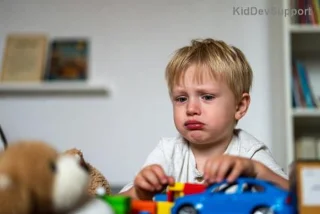
Is your little one struggling to make those adorable babbling sounds turn into clear words? As a parent, noticing subtle changes in your toddler's speech can be tricky, but early detection of a phonological disorder could change everything. A phonological disorder occurs when a child has trouble learning the sound system of language, leading to patterns of errors that persist beyond typical development.
According to the newest guidelines from speech-language experts, most toddlers aged 2-3 should produce intelligible speech in short sentences. If not, it might signal deeper issues. Keep reading to identify the 7 signs your toddler has a phonological disorder – and discover actionable steps to help them thrive. 👶
What Is a Phonological Disorder in Toddlers?
Unlike articulation disorders, which involve physical sound production, a phonological disorder stems from mental rules kids use to organize sounds. Think consistent swaps like "wabbit" for "rabbit" or omitting endings like "ba" for "ball." These aren't random – they're rule-based errors affecting multiple words.
Newest research highlights that 3-5% of children face ongoing speech sound disorders, with phonological types being common. Early spotting prevents academic and social hurdles later. But first, let's dive into the signs.
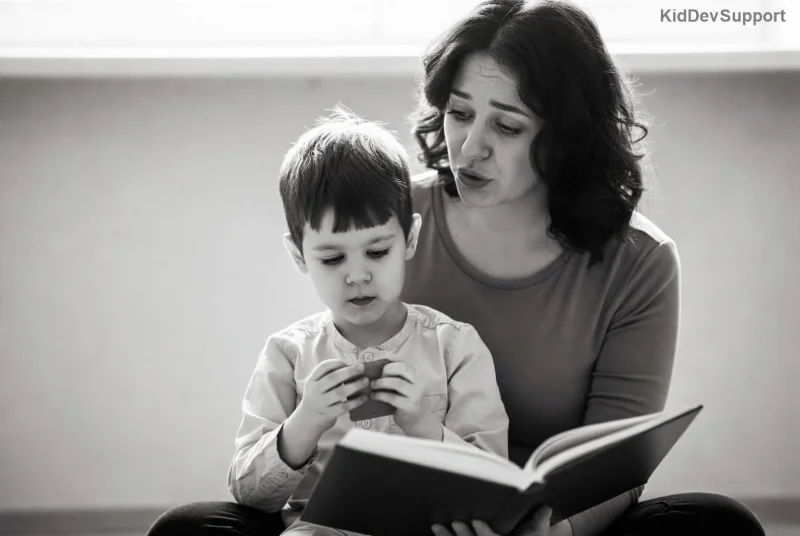
Sign 1: Consistent Sound Substitutions
The hallmark of a phonological disorder toddler is swapping sounds predictably. For example, replacing "k" or "g" with "t" or "d" – saying "tat" for "cat" or "do" for "go" across many words. By age 3, most kids master these back sounds.
If your toddler does this in 20%+ of words, it's a red flag. Unlike occasional slips, this pattern shows they lack the phonological rules to differentiate sounds. Watch closely during playtime – does "truck" become "tuck" every time?
Sign 2: Frequent Sound Omissions
Omitting consonants, especially at word ends or in clusters, screams phonological disorder. "Ba" for "ball" or "tack" for "truck" isn't cute forever. Toddlers typically add these by 2.5-3 years.
This sign persists if uncorrected, making speech unintelligible to strangers. Test it: Record play sessions. If over half the words are shortened, consult a pro.
Sign 3: Difficulty with Consonant Clusters
Clusters like "sp," "bl," or "st" challenge many, but phonological kids simplify systematically – "poon" for "spoon" or "tuck" for "truck." Newest data shows resolution by age 4 for typical kids; delays signal disorder.
Why it matters: Clusters build advanced speech. Struggles here predict reading woes, as phonology links to literacy.
Sign 4: Inconsistent Error Patterns
One day "fish" is clear, next it's "pish" or "fiss." Unpredictability differentiates phonological from articulation issues. If errors vary wildly despite practice, your toddler may be reorganizing sound rules incorrectly.
Experts note this in 40% of cases – track over weeks for patterns.
![Happy toddler practicing speech with parent]()
Sign 5: Vowel Errors or Distortions
Vowels are trickier to spot, but distortions like "bee" for "bay" or neutralizing all to "uh" indicate deep phonological gaps. Most toddlers nail vowels early; persistent issues affect word clarity.
Listen for "glasses" as "gluh-suhs." This sign often pairs with consonants, amplifying unintelligibility.
Sign 6: Trouble with Multisyllabic Words
Words like "banana" become "nana" or "bana." Stress patterns go awry, reducing syllables. By 3, kids handle 2-3 syllables; phonological disorder hits longer ones hard.
This frustrates communication – your toddler knows words but can't output them fully.
Sign 7: Lack of Progress Despite Exposure
The biggest alarm: No improvement after 6+ months of modeling and reading. Typical kids self-correct with input; phonological ones need therapy.
If toddler speech problems stall milestones – 50 words at 2, 200+ at 3 – act fast. Newest studies link early intervention to 80% resolution.
Normal Speech Milestones vs. Phonological Disorder: A Quick Comparison
| Age | Normal Milestones | Phonological Disorder Signs |
|---|
| 18-24 months | 10-50 words, simple CV (consonant-vowel) like "ba-ba" | Heavy omissions, <50% intelligible="" to=""> |
| 2-3 years | 200+ words, 2-word phrases, most consonants emerging | Consistent substitutions, clusters simplified, stranger unintelligibility |
| 3-4 years | Intelligible to strangers, complex sentences | Persistent patterns, no self-correction |
This table highlights when signs phonological disorder diverge from norms. Source: Adapted from the latest American Speech-Language-Hearing Association (ASHA) guidelines.
Why Early Detection of Toddler Speech Problems Matters
Untreated phonological disorder risks bullying, low confidence, and learning delays. But good news: 70-90% improve with therapy. Speech-language pathologists (SLPs) use cycles or metafon approaches tailored for toddlers.
Frustration can spark tantrums – imagine wanting to say "juice" but it comes out "oos." Spotting these 7 signs empowers you.
What to Do Next: Actionable Steps
1. **Screen at Home**: Use apps or checklists from trusted sites.
2. **Consult Pediatrician**: Request SLP referral.
3. **Home Strategies**: Read aloud, exaggerate sounds, play sound-matching games. Avoid corrections – model instead.
4. **Therapy Options**: Early intervention programs are free in many areas; private SLPs yield fast results.
Bonus tip: Bilingual homes? Patterns may intensify, but therapy adapts. Stay consistent for success! 🏆
FAQs on Phonological Disorder Toddler
Q: Is it just a late talker?
A: Late talkers catch up; phonological errors don't self-resolve.
Q: Can hearing tests rule it out?
A: Yes – always check ears first.
Q: When to worry?
A: If 3+ signs match by age 3.
Ready to help your toddler shine? Share this if it resonated, and consult an expert today. Clear speech awaits!