Is your 3-year-old struggling to string words together? Speech delay in 3-year-olds affects up to 1 in 10 children, but early action can make all the difference. This guide dives straight into the most effective treatment options, backed by the latest pediatric guidelines. Stick around to uncover practical steps that could transform your child's communication skills. 🩺
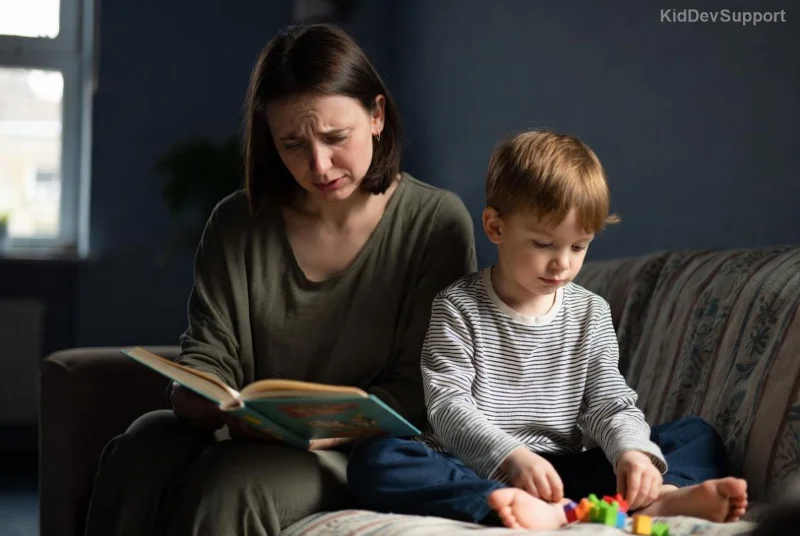
Understanding Speech Delay in 3-Year-Olds: Key Signs and Milestones
By age 3, most children speak in 3-4 word sentences, have a vocabulary of 200-1,000 words, and are understood by strangers about 75% of the time. Speech delay occurs when kids lag behind these milestones. Common signs include:
- Difficulty forming simple sentences
- Limited vocabulary (fewer than 50 words)
- Struggles with sounds like "k," "g," or "f"
- No interest in communicating or imitating sounds
If you spot these, don't panic—early detection leads to better outcomes. Recent studies from leading pediatric associations emphasize that intervention before age 4 yields the highest success rates.
Common Causes of Speech Delay in Toddlers
Pinpointing the cause is step one. Factors range from:
- Developmental delays: Often linked to overall language processing
- Hearing issues: Fluid in ears or infections can muffle sounds
- Environmental: Limited talking or screen time overload
- Underlying conditions: Autism spectrum or oral-motor problems
A pediatrician or audiologist can rule out medical issues quickly. Curious about next steps? Keep reading for targeted treatment options.
Top Treatment Options for Speech Delay in 3-Year-Olds
The good news? Speech delay is highly treatable. Here's a breakdown of proven approaches, prioritized by effectiveness based on the newest clinical recommendations.
1. Speech-Language Therapy (SLT): The Gold Standard 🏅
Speech therapy is the cornerstone for speech delay in 3-year-olds. Certified speech-language pathologists (SLPs) use play-based techniques to build vocabulary and articulation. Sessions last 30-60 minutes weekly, often showing progress in 3-6 months.
Techniques include:
- Modeling correct sounds
- Picture exchange for communication
- Oral-motor exercises
Latest data shows 70-80% of children catch up fully with consistent SLT. Find a local SLP via ASHA's directory.
2. Early Intervention Programs: Free and Accessible
Government-funded early intervention (EI) services are available for kids under 3 (extending to 3-year-olds in many areas). These multidisciplinary programs combine SLT with occupational therapy if needed. Eligibility is based on developmental screening—no cost in most regions.
Benefits:
- Home visits for convenience
- Parent training to reinforce skills
- Team approach for holistic support
Enroll via your state's EI hotline; recent expansions have made access easier than ever.
![Happy child talking with parent]()
3. Home-Based Strategies: Empower Parents
Complement professional care with daily practices. These low-cost tactics boost results:
- Read daily: Point to pictures and narrate
- Expand utterances: If child says "ball," reply "Big red ball!"
- Limit screens: Under 1 hour/day per guidelines
- Sing and rhyme: Builds phonemic awareness
Apps like Articulation Station offer fun drills, but prioritize human interaction.
4. Medical and Specialized Interventions
If hearing loss or structural issues are found:
- Ear tubes for chronic fluid
- FM systems in daycare for better sound clarity
- Rule out neurological factors with MRI if persistent
For autism-linked delays, ABA therapy pairs well with SLT.
Comparing Treatment Options: Which is Right for Your Child?
| Treatment |
Cost |
Frequency |
Success Rate |
Best For |
| Speech Therapy |
$100-200/session (insurance often covers) |
1-3x/week |
70-90% |
Articulation & vocabulary |
| Early Intervention |
Free |
Weekly home visits |
80% |
Comprehensive needs |
| Home Strategies |
Free |
Daily |
Supports therapy |
Maintenance |
| Medical Fixes |
Varies (insurance) |
One-time |
High if cause-specific |
Hearing/oral issues |
When to Seek Professional Help Immediately
Act now if your child shows no 2-word combos or regresses. Screenings via tools like the CDC's Milestone Tracker app are free starters. Consult a doctor pronto—delays past 3 can impact social skills.
Real parent win: "After 4 months of SLT, my son went from 20 words to full sentences!" 😊
Long-Term Outlook and Success Tips
With prompt treatment options, 90% of kids with isolated speech delay catch up by school age. Track progress monthly and adjust as needed. Combine therapies for fastest gains.
Pro tip: Join support groups on platforms like CDC's Act Early for community motivation.
Final Thoughts: Start Your Child's Journey Today
Speech delay in 3-year-olds doesn't define your child's future—effective treatment options do. From therapy to home hacks, you've got the roadmap. Schedule that evaluation today and watch words unlock. Your little one deserves to shine! 🌟
Disclaimer: This is informational; consult healthcare pros for personalized advice.