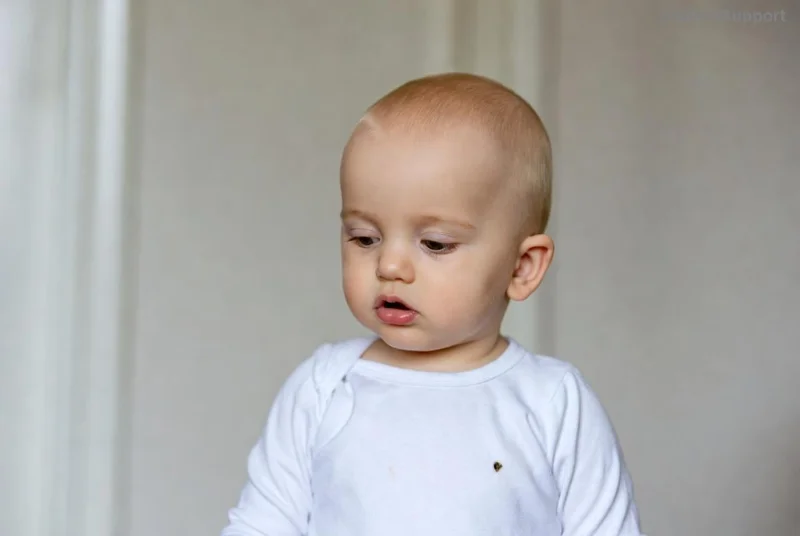
Imagine your toddler pointing at a toy but struggling to say its name, frustration building in their little eyes. If this sounds familiar, you might be dealing with expressive speech delay in children—a condition where kids understand language but can't express themselves verbally as expected. Affecting up to 1 in 14 children under age 3, this delay can stem from various factors. But don't worry: early awareness of the common causes of expressive speech delay in children empowers parents to act fast.
In this guide, we'll uncover the top seven causes, backed by the latest pediatric research. You'll learn warning signs, risk factors, and when to seek professional help. Stick around to the end for a simple checklist that could change your child's trajectory. Ready to unlock the mystery?
What Exactly is Expressive Speech Delay?
Expressive speech delay occurs when a child lags in using words, phrases, or sentences compared to peers. By age 2, most kids say 50+ words and combine two-word phrases. With delay, they might babble less or rely on gestures. Importantly, this differs from receptive delay (understanding issues) or mixed delays.
Recent studies from leading speech-language pathology organizations highlight that expressive speech delay is often isolated but can signal deeper issues if untreated. Early intervention, like speech therapy, yields 70-80% improvement rates.
1. Hearing Impairments: The Silent Culprit
The most prevalent among common causes of expressive speech delay in children is hearing loss. Even mild impairments prevent clear sound input, stunting vocal imitation. Recurrent ear infections (otitis media) cause fluid buildup, muffling sounds temporarily or permanently.
- Signs: No response to name by 12 months; inconsistent babbling.
- Risk factors: Family history, premature birth, frequent antibiotics.
- Action: Get a newborn hearing screen and annual checks. Audiologists use tools like otoacoustic emissions for quick diagnosis.
Untreated, it cascades into broader delays. But hearing aids or surgery often resolve it swiftly.
2. Oral-Motor Challenges
Weak mouth muscles or coordination issues hinder articulation. Conditions like apraxia of speech make planning mouth movements tough, leading to garbled words.
Latest oral-motor assessments show ties to low muscle tone (hypotonia). Kids might drool excessively or struggle with feeding early on.
- Common triggers: Birth complications, genetic syndromes like Down syndrome.
- Therapy wins: PROMPT therapy strengthens muscles effectively.
3. Limited Language Exposure and Interaction
In today's screen-heavy world, reduced parent-child talk is a rising cause. Bilingual homes or passive TV watching limit practice. The "30-million word gap" study underscores how interactive talk boosts vocab by preschool.
Tip: Narrate daily routines—"We're stirring the batter!"—to bridge gaps naturally.
![Parent interacting with child to prevent speech delay]()
4. Autism Spectrum Disorder (ASD) and Neurological Factors
ASD often presents with expressive speech delay, as social communication wiring differs. Repetitive behaviors or eye contact avoidance accompany it in 25-30% of cases.
Other neurological hits include cerebral palsy or epilepsy. Brain imaging like MRI spots structural issues per newest protocols.
Early screening via M-CHAT questionnaire flags risks by 18-24 months.
5. Intellectual or Global Developmental Delays
Slower cognition impacts speech. Fragile X syndrome or general delays mean kids process language slower.
| Cause Category |
Key Signs |
Prevalence |
First Step |
| Hearing Loss |
No babbling by 6 months |
~15-20% |
Hearing test 🩺 |
| Oral-Motor |
Persistent drooling |
~10% |
Speech eval |
| ASD/Neuro |
Limited eye contact |
~25% |
Developmental screen |
| Intellectual Delay |
Slow milestones overall |
~20% |
Pediatrician visit |
| Bilingualism |
Mixed language use |
~5-10% |
Consistent exposure |
This table summarizes top common causes of expressive speech delay in children with quick stats from recent meta-analyses.
6. Genetic and Syndromic Conditions
Mutations in FOXP2 gene or syndromes like 22q11 deletion disrupt speech pathways. Family patterns raise flags—if siblings delayed, odds double.
Genetic testing panels, now routine, pinpoint culprits accurately.
7. Environmental and Bilingual Influences
Bilingualism delays expressive milestones by 3-6 months but catches up by school age. Poverty, neglect, or lead exposure compound risks via stressed brain development.
Positive note: Enriched environments reverse many cases without therapy.
![Happy child overcoming speech delay with therapy]()
Risk Factors and Early Detection
Boys are 2-3x more prone; low birth weight triples risk. Track milestones: 12 months (first words), 24 months (50 words). Apps like CDC's Milestone Tracker alert deviations.
For validation, consult ASHA guidelines 🏆.
Steps to Take Now: Your Action Plan
- Screen immediately: Pediatrician referral for eval.
- Boost at home: Read daily, imitate sounds, limit screens <18 months.
- Therapy options: Speech-language pathologists use play-based methods.
- Monitor progress: Reassess every 3 months.
Success stories abound—many kids blossom post-intervention, achieving age-typical speech by kindergarten.
Final Thoughts: Don't Wait—Act Today!
Expressive speech delay in children isn't a verdict; it's a signal. By spotting these common causes early, you pave the way for confident communication. Download our free milestone checklist below or book a specialist consult. Your child's voice awaits—empower it now! 💬
Share your story in comments: Has early action helped your family?