Imagine your toddler struggling to string words together while peers chatter away. Could it be more than a simple delay? Developmental Language Disorder (DLD) affects up to 7% of children, yet many parents miss the subtle clues. Recognizing early warning signs of DLD can unlock timely support, boosting long-term success in school and life. This guide breaks it down simply – stick around to learn what to watch for, why it matters, and exactly what to do next.
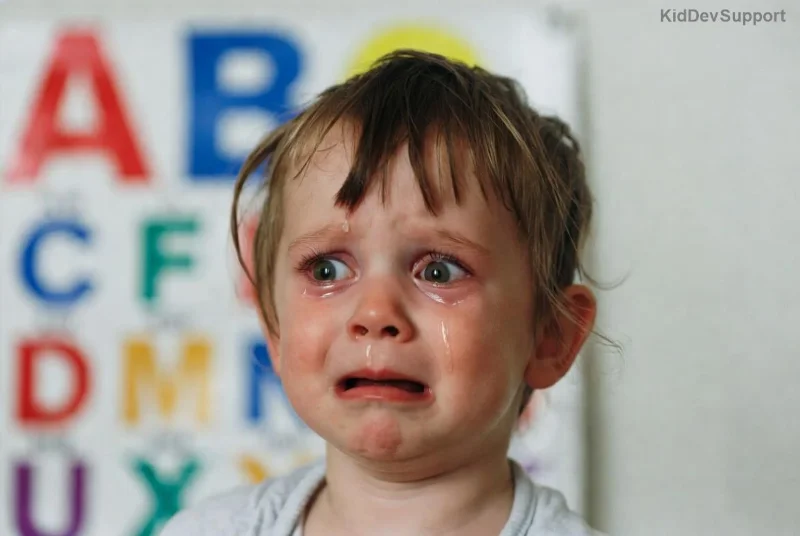
What is Developmental Language Disorder (DLD)?
DLD is a neurodevelopmental condition where children face persistent challenges understanding and using language, despite normal intelligence and hearing. Unlike temporary speech delays, DLD lasts into adulthood if untreated. Recent research highlights its impact on reading, social skills, and mental health, making early detection crucial.
Unlike autism or hearing loss, DLD specifically targets language without other obvious causes. Boys and girls are equally affected, often co-occurring with dyslexia or ADHD. Early intervention – like speech therapy – can improve outcomes by 50% or more, per the latest guidelines from leading health authorities.
Early Warning Signs of DLD by Age Group
Signs vary by developmental stage. Use this table to check milestones – if your child lags consistently, note it down. We've organized early warning signs of Developmental Language Disorder (DLD) for quick reference:
| Age Group | Early Warning Signs of DLD | Red Flags |
|---|---|---|
| 0-12 Months | Limited babbling, no response to name by 9 months, few gestures like pointing. | No consonant sounds (e.g., "ba," "da") by 12 months. |
| 1-2 Years | Vocabulary under 50 words by 24 months, no 2-word phrases like "more milk." | Difficulty following simple directions. |
| 2-3 Years | Sentences shorter than 3-4 words, unclear speech others can't understand. | Struggles naming familiar objects or pictures. |
| 3-5 Years | Grammar errors persist (e.g., "me go store"), trouble retelling stories. | Avoids conversations or seems frustrated when talking. |
| School Age (5+) | Poor reading comprehension, difficulty following multi-step instructions. | Social isolation due to communication gaps. |
These DLD symptoms in children aren't always obvious – a quiet child might seem shy, not delayed. Track progress over months, not days. Curious about your child's fit? Keep reading for myth-busting insights.

Common Myths About Early Warning Signs of DLD
Myth 1: "They'll outgrow it." Fact: Only 20-30% of late talkers catch up without help; DLD persists otherwise.
Myth 2: "It's just bilingualism." Bilingual kids may mix languages but hit milestones similarly.
Myth 3: "Screen time fixes it." Apps help mildly, but professional therapy is key for DLD.
Recent studies debunk these, emphasizing screening by age 2. For trusted info, check American Speech-Language-Hearing Association (ASHA) resources.
What to Do If You Spot Early Warning Signs of Developmental Language Disorder (DLD)
Don't panic – act! Step 1: Screen at well-child visits. Pediatricians use tools like the Ages & Stages Questionnaires.
Step 2: Consult a speech-language pathologist (SLP). Early therapy focuses on play-based language boosting.
Step 3: Home strategies: Narrate daily routines, read interactively, limit screens, expand utterances (child says "ball," you say "big red ball!").
- 🩺 Schedule a hearing test first – rule out ear issues.
- 📚 Join parent training programs for proven tips.
- 🎯 Track weekly: Note new words or phrases.
Success stories abound: Kids with early intervention graduate college confidently. Wondering about diagnosis? Next section dives deep.
Diagnosis and Treatment for DLD
Diagnosis involves comprehensive assessments: Language tests, observations, family history. No single test – SLPs use batteries like CELF or PLS-5.
Treatment: Tailored speech therapy (2-3x/week), often with reading programs. Latest approaches include teletherapy and parent coaching, effective per recent trials.
For more, visit CDC milestones. Long-term? Monitor academics; accommodations like extra time help.
Why Early Action Changes Everything
Ignoring speech delay early signs risks academic failure and low self-esteem. But spotting early warning signs of DLD empowers you. Armed with this knowledge, observe your child today. Share concerns with your doctor – one conversation could transform their future. What's your next step? Comment below or consult a pro now! 🌟