Imagine gearing up for a casual coffee meetup like it's a marathon. For millions with ADHD, social situations aren't just awkward—they're utterly exhausting. Your brain races, words slip away, and by the end, you're wiped out. Why does ADHD make social situations exhausting? This guide breaks it down with the latest insights, revealing the hidden mental toll and actionable ways to ease it. Stick around to discover how to reclaim your energy.
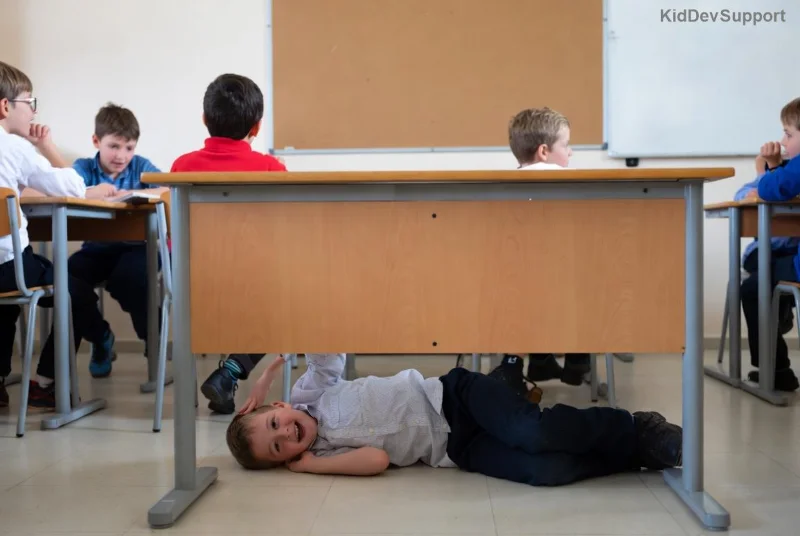
The ADHD Brain in Social Situations: A Perfect Storm
ADHD (Attention-Deficit/Hyperactivity Disorder) disrupts executive functions like focus, impulse control, and emotional regulation. In social situations, these glitches amplify, turning simple interactions into high-stakes battles. Recent neuroimaging studies show ADHD brains have reduced activity in the prefrontal cortex—the hub for planning conversations and reading cues. This leads to constant mental juggling, burning energy fast.
Think of your brain as a browser with 50 tabs open. Non-ADHD folks close extras effortlessly; ADHD users fight pop-ups everywhere. Result? Social exhaustion hits harder and faster.
Masking: The Invisible Energy Thief
One major culprit is masking—the unconscious effort to appear "neurotypical." People with ADHD often mimic social norms, suppressing fidgeting, interrupting urges, or zoning out. This hypervigilance feels like performing on stage non-stop.
Latest research from leading ADHD advocacy groups highlights that masking correlates with burnout. Women and high-masking individuals report 2-3x more fatigue after events. Ever left a party feeling like you ran a 10K? That's masking at work, depleting dopamine reserves already low in ADHD brains.
Signs You're Masking in Social Situations
- Forcing eye contact until your head throbs
- Rehearsing responses mid-conversation
- Suppressing info-dumps on hyperfixations
- Feeling "fake" or hollow post-interaction
Ready to unmask without isolation? Keep reading for strategies.
Common ADHD Social Challenges vs. Neurotypical Experiences ⚕️
| Challenge |
ADHD Experience |
Neurotypical Counterpart |
Exhaustion Factor |
| Reading Social Cues |
Miss sarcasm, body language; overthink every pause |
Intuitive pickup |
High—constant analysis drains focus |
| Maintaining Conversation Flow |
Mind wanders; tangents or silences |
Seamless back-and-forth |
Medium—impulse control battles |
| Sensory Input |
Overloaded by noise, lights, chatter |
Filters out background |
Very High—sensory processing overload |
| Emotional Regulation |
Rejection sensitivity spikes anxiety |
Mild feedback absorption |
High—emotional rollercoaster |
![ADHD individual resting after social event, looking fatigued]()
Sensory Overload: Why Crowds Crush Your Battery
ADHD often pairs with sensory processing differences. In bustling social situations, lights flicker brighter, voices blend into chaos, and small talk feels like nails on a chalkboard. The latest clinical data links this to atypical dopamine pathways, making stimuli hit like a freight train.
Picture a dinner party: Laughter overlaps, glasses clink, scents mix. For ADHD brains, it's multisensory assault without an off-switch. Post-event social exhaustion can last days, mimicking a migraine.
Rejection Sensitive Dysphoria (RSD): The Emotional Drain
RSD—a common ADHD trait—intensifies perceived slights. A delayed text? Catastrophe. Awkward pause? Personal failure. This emotional hyperarousal keeps adrenaline pumping, preventing recovery.
Experts note RSD stems from ADHD's emotional dysregulation. In social situations, it creates a feedback loop: Anxiety spikes effort, effort builds fatigue, fatigue heightens sensitivity.
But here's hope: Awareness is step one. What if you could dial down RSD mid-chat?
![Group social interaction overwhelming someone with ADHD]()
Proven Strategies to Combat ADHD Social Exhaustion 💡
You don't have to suffer silently. These evidence-based tips, drawn from the newest therapeutic guidelines, recharge your social battery:
- Pre-Game Your Energy: Set a timer for events. Script 2-3 exit lines like "Loved chatting—catch you later!" to avoid overstaying.
- Sensory Shields: Noise-cancelling earbuds or fidget tools under the table. Choose quieter venues first.
- Unmask Selectively: Share your ADHD with trusted friends: "Hey, my brain wanders—pull me back if I zone." Builds understanding, cuts effort.
- Post-Social Recovery: Schedule "recharge rituals"—solo hyperfocus time, walks in nature, or stimming freely. Latest studies show 30 minutes rebuilds dopamine.
- Therapy Boost: CBT tailored for ADHD or meds like stimulants reduce baseline load. Consult a specialist ⚕️.
For deeper dives, check resources from trusted sites:
CHADD or
CDC ADHD Page.
Real Stories: You're Not Alone
"Parties used to flatten me for a week," shares Alex, a diagnosed ADHDer. "Now, with boundaries and meds, I enjoy two hours guilt-free." These anecdotes from recent forums echo science: Small tweaks yield big wins.
Final Thoughts: Reclaim Your Social Life
ADHD makes social situations exhausting because your brain works overtime—masking, processing, regulating. But understanding this empowers change. Start with one strategy today. Your future self—energized and connected—thanks you. Share your tips below; let's build a supportive community. Ready to thrive? You've got this! 🏆