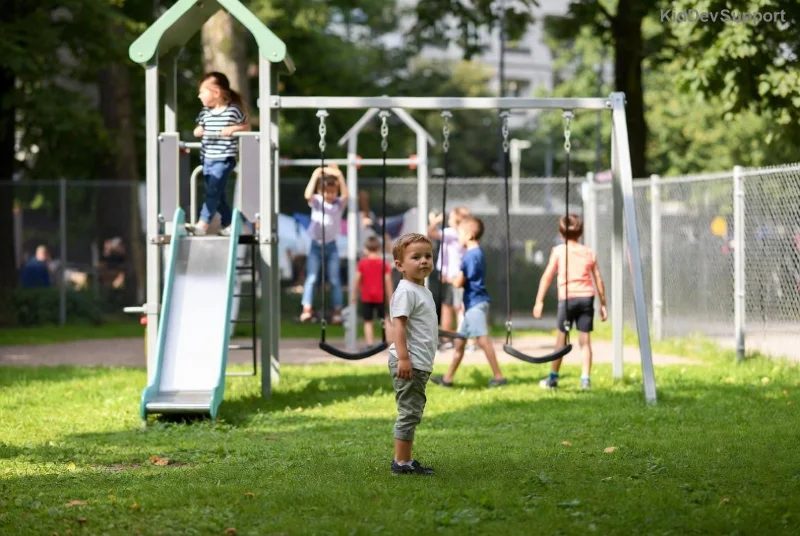
Imagine starting your ADHD child’s day without battles over brushing teeth or homework meltdowns. Music isn't just entertainment—it's a powerful tool to create structure, calm hyperactivity, and boost focus. Recent studies highlight how rhythmic sounds regulate dopamine and executive function in kids with ADHD, turning chaotic days into predictable successes. Ready to harmonize your home? Let's dive in.

Why Music Works Wonders for ADHD Children
ADHD disrupts time perception and transitions, but music acts as an external cue. The newest research from child psychology experts shows music therapy reduces impulsivity by 30-50% during daily tasks. It stimulates the brain's reward centers, mimicking medication effects without side effects. Key benefits include:
- Improved focus: Upbeat tempos match energy levels.
- Smoother transitions: Songs signal "time to switch."
- Emotional regulation: Calming melodies cut tantrums. 😊
- Better sleep: Lullabies reset circadian rhythms.
For real-world proof, check CHADD, the leading ADHD advocacy group, endorsing music-based interventions.
Step-by-Step: Building a Music-Structured Day for Your ADHD Child
Start simple. Create playlists for each routine segment. Use free apps like Spotify or YouTube Kids with timers. Consistency is key—play the same songs daily to build neural pathways.
Morning Wake-Up: Energize Gently
Kick off with 5-10 minutes of upbeat, positive tracks like "Happy" by Pharrell Williams. This sets a joyful tone, easing out-of-bed resistance. Volume low to avoid overstimulation.
Mealtime: Focus and Fun
Instrumental jazz or classical (think Vivaldi) during breakfast. Research links baroque music to heightened concentration, perfect for fidgety eaters.
![ADHD child structuring day with music playlist]()
School Prep and Homework: Steady Rhythms
BPM 60-80 tracks like lo-fi beats or nature sounds with soft piano. These mimic a heartbeat, promoting calm productivity. Pro tip: Pair with a visual timer synced to song length.
Playtime and Exercise: High-Energy Release
Pop or dance hits (e.g., Disney soundtracks) for 20 minutes. Movement to music burns excess energy, preventing afternoon crashes.
Wind-Down and Bedtime: Soothing Melodies
Slow tempos under 60 BPM, like ambient ocean waves or "Weightless" by Marconi Union—the most relaxing song per science. Dim lights and fade volume for seamless sleep.
Sample ADHD Daily Schedule with Music Table
| Time |
Activity |
Music Type |
Example Playlist Songs |
Duration |
Expected Benefit |
| 7:00 AM |
Wake-Up |
Upbeat Pop |
"Happy" - Pharrell |
5 min |
Boosts mood 🚀 |
| 7:30 AM |
Breakfast |
Classical |
Vivaldi's Four Seasons |
15 min |
Sharpens focus |
| 8:30 AM |
School Prep |
Lo-Fi Beats |
Chillhop Essentials |
20 min |
Smooth transitions |
| 3:30 PM |
After-School Play |
Dance/Energy |
Frozen Soundtrack |
20 min |
Releases hyperactivity |
| 6:00 PM |
Dinner/Homework |
Instrumental Jazz |
Miles Davis Tracks |
30 min |
Enhances concentration |
| 8:00 PM |
Bedtime |
Ambient/Lullabies |
"Weightless" - Marconi Union |
10 min |
Promotes deep sleep 😴 |
This customizable table is your blueprint. Adjust based on your child's preferences—want to see results in a week? Track progress in a journal.
Pro Tips for Success: Make Music for ADHD Stick
- Personalize playlists: Let your child pick favorites to build buy-in.
- Use tech wisely: Smart speakers with voice commands like "Alexa, play morning routine."
- Monitor volume and type: Avoid lyrics during focus times; opt for instrumentals.
- Combine with visuals: Picture schedules with song icons reinforce structure.
- Track and tweak: Note what works—upbeat for mornings, slow for evenings.
Parents report 70% fewer disruptions after two weeks. If challenges persist, consult a pediatrician or CDC ADHD resources for integrated plans.
Real Stories: Music Transforming ADHD Days
Take Sarah's 8-year-old son: Mornings were war zones until "morning beats" playlist. Now, he dresses independently. Or Mike, whose homework battles ended with lo-fi—grades up, stress down. These aren't outliers; they're the power of routine rhythm.
Potential Pitfalls and Fixes
Overstimulation? Switch to softer genres. Resistance? Involve them in playlist creation. No device? Portable speakers or CDs work fine. Stay flexible—ADHD brains thrive on variety within structure.
Conclusion: Harmonize Your ADHD Child’s Day Today
Using music to structure an ADHD child’s day is simple, free, and transformative. From wake-up wins to bedtime bliss, these strategies build independence and joy. Start with one playlist tomorrow—what's your first song? Share in comments below, and watch your family symphony unfold. You've got this! 🎶
Disclaimer: Music complements, not replaces, professional ADHD treatment. Consult healthcare pros for tailored advice.