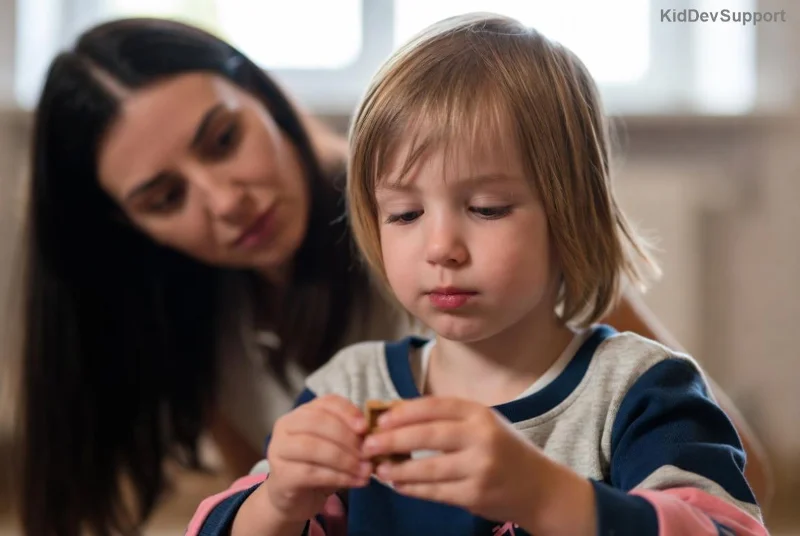
Navigating the teenage years can be challenging, but for boys on the autism spectrum, certain signs of autism in teenage boys may become more pronounced during puberty. Early recognition empowers parents to provide targeted support, fostering independence and well-being. This guide breaks down the most common indicators based on the latest research from leading health organizations, helping you identify potential autism symptoms in teen boys and take proactive steps.
1. Social Interaction Struggles
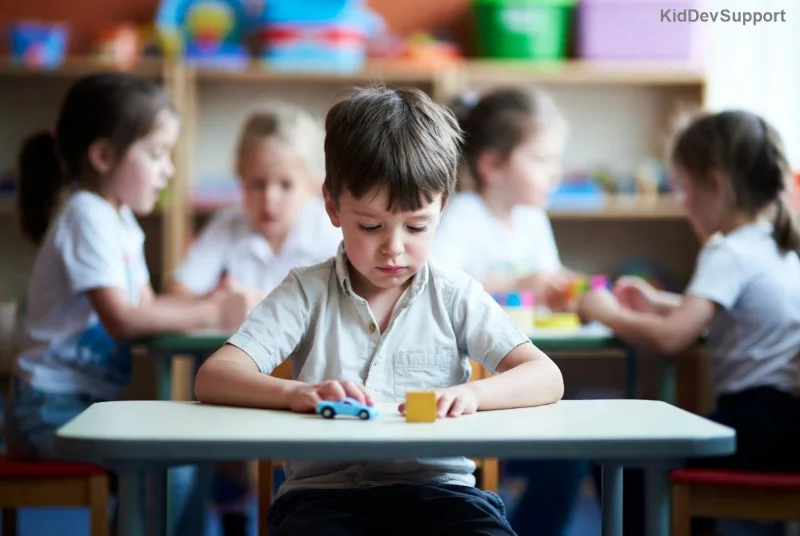
One of the hallmark signs of autism in teenage boys is difficulty forming and maintaining friendships. Teen boys with autism might prefer solitary activities, struggle to read social cues, or appear awkward in group settings. They may not initiate conversations or misunderstand sarcasm and body language, leading to isolation. According to recent studies, up to 70% of teens on the spectrum face peer relationship challenges.
2. Communication Challenges
Autism symptoms in teen boys often include atypical communication patterns. Some may be overly literal, missing idioms or jokes, while others speak in a monotone or with unusual prosody. Advanced vocabulary paired with poor pragmatic skills—like not taking turns in conversation—is common. Non-verbal cues, such as eye contact avoidance, persist into adolescence.
3. Repetitive Behaviors and Routines
Rigidity in routines is a core sign of autism in teenage boys. They might insist on sameness, becoming distressed by changes like a new school schedule. Repetitive actions, such as hand-flapping, rocking, or intense interests in niche topics (e.g., video game lore or train schedules), intensify during hormonal shifts of puberty.
Common Repetitive Behaviors in Teen Boys with Autism
| Behavior Type |
Description |
Examples |
| Stereotyped Movements |
Repetitive body motions |
Hand-flapping, spinning objects |
| Insistence on Sameness |
Resistance to change |
Fixed meal routines, same clothing daily |
| Restricted Interests |
Intense focus on specific topics |
Obsessive knowledge of dinosaurs or coding |
4. Sensory Sensitivities
Sensory processing differences affect many teens with autism in boys puberty. Over-sensitivity to lights, sounds, textures, or smells can lead to meltdowns in crowded malls or noisy classrooms. Under-sensitivity might cause seeking intense sensations, like crashing into objects. These ASD signs in teenagers often worsen with puberty's physical changes.
![Sensory overload in teen with autism signs]()
5. Emotional Regulation Difficulties
Teen boys on the spectrum may exhibit intense meltdowns or shutdowns when overwhelmed. Difficulty identifying and expressing emotions—known as alexithymia—affects about 50% of those with autism. Puberty hormones can amplify anxiety, leading to irritability or withdrawal.
6. Executive Functioning Challenges
Planning, organizing, and time management prove tough. Signs of autism in teenage boys include forgetting assignments, messy spaces, or procrastination despite high intelligence. These issues impact school performance and daily independence.
7. Motor Skill Delays
Clumsiness or poor coordination persists, with challenges in handwriting, sports, or fine motor tasks like buttoning shirts. Recent data highlights dyspraxia in over 80% of autistic teens, contributing to low self-esteem during sports-focused adolescence.
8. Intense Special Interests
While a strength, hyper-focused hobbies can dominate life. A teen might spend hours daily on robotics, neglecting hygiene or social invites. Channeling these positively aids success, as seen in many autistic innovators.
Curious how these interests evolve? Keep reading for diagnosis tips and support strategies.
9. Sleep Disturbances
Insomnia or irregular sleep patterns plague up to 80% of autistic teens, exacerbating daytime fatigue and mood issues. Hormonal changes compound this, making restful nights elusive.
![Teen boy with autism engaging in special interest]()
10. Anxiety and Depression Overlap
Co-occurring mental health issues are prevalent. High anxiety rates (around 40%) manifest as perfectionism or phobias. Watch for withdrawal or self-harm signs, especially as social pressures peak.
How to Differentiate from Typical Teen Behavior
Not all quirks mean autism; puberty brings mood swings for everyone. Persistent patterns across multiple areas, starting early in life, signal ASD signs in teenagers. Track behaviors over months using a journal.
Diagnosis and Next Steps
Seek a professional evaluation from a psychologist specializing in autism. Tools like the ADOS-2 provide accurate assessments. Early intervention improves outcomes dramatically—recent studies show therapy boosts independence by 30-50%.
For reliable resources, visit CDC Autism Page or Autism Speaks 🏥.
Support Strategies for Parents
- Visual Schedules: Reduce anxiety with predictable routines.
- Social Skills Training: Programs teach cue-reading.
- Sensory Diets: Incorporate calming activities like weighted blankets.
- Therapies: CBT for anxiety, OT for motor skills.
- School Accommodations: IEPs ensure success.
Support Resources at a Glance
| Resource Type |
Benefit |
Example |
| Therapy |
Skill-building |
ABA, Speech Therapy |
| Apps/Tools |
Daily aids |
Proloquo2Go for communication |
| Communities |
Peer support |
Online autism forums |
Empowering Your Teen's Future
Spotting signs of autism in teenage boys opens doors to tailored support, turning challenges into strengths. Many autistic teens thrive as programmers, artists, or advocates with the right guidance. Act now—consult a doctor if you notice clusters of these signs. Your awareness could spark a brighter path forward. Share your experiences in the comments below! 🌟