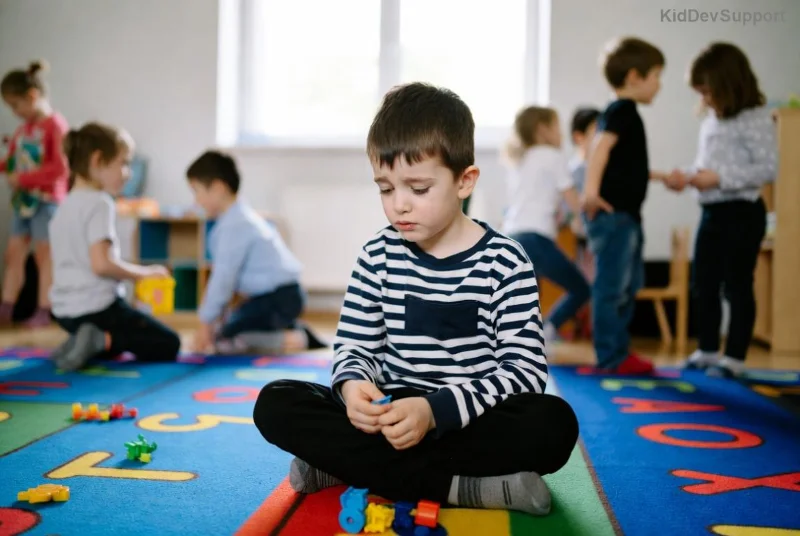
Imagine a world where autism spectrum disorder (ASD) is detected before symptoms emerge, therapies are tailored to each child's unique brain, and everyday challenges fade with cutting-edge neurotech. This isn't science fiction—it's the horizon of autism research. With recent surges in funding and tech integration, the next 10 years promise revolutionary shifts. Stay tuned as we unpack the most promising developments, from genetics to AI, designed to empower families and clinicians alike.
🧬 Revolutionizing Genetics: Unlocking ASD's Root Causes
The cornerstone of modern autism research lies in genetics. Recent large-scale genomic studies have identified hundreds of gene variants linked to ASD, paving the way for precision interventions. In the next 10 years, expect CRISPR-based gene editing to target these mutations in early embryonic stages, potentially preventing ASD onset.
CRISPR trials, already showing success in related neurodevelopmental disorders, will expand to ASD. Researchers are focusing on de novo mutations—those not inherited but arising spontaneously—which account for up to 50% of cases. This could lead to prenatal screening and ethical gene therapies, transforming autism research from reactive to proactive.

AI-Powered Diagnosis: Early Detection Like Never Before
Current ASD diagnosis relies on behavioral observation, often delaying intervention until age 3 or later. Enter artificial intelligence: machine learning algorithms now analyze eye-tracking data, vocal patterns, and even infant cries with over 90% accuracy. The future of autism research will see AI integrated into smartphone apps and wearables for real-time screening from birth.
Recent models trained on vast datasets predict ASD risk by 6 months, enabling interventions that boost outcomes by 50%. Imagine pediatricians using AI dashboards during checkups— this tech will democratize early detection worldwide.
Personalized Therapies: Tailored Treatments for Every Brain
One-size-fits-all approaches are obsolete. The next 10 years in autism research herald pharmacogenomics, where drugs are customized based on an individual's genetic profile. Oxytocin nasal sprays and bumetanide are evolving into targeted versions that address specific neural imbalances.
Behavioral therapies like ABA will merge with VR simulations, allowing kids to practice social skills in immersive environments. Stem cell therapies, regenerating damaged neural circuits, show promise in animal models and human pilots.
| Current Therapies |
Next 10 Years Innovations |
| ABA (hours of repetition) |
AI-VR adaptive sessions (personalized, engaging) |
| Generic medications |
Gene-specific drugs (fewer side effects) |
| Late diagnosis |
AI predictive screening at birth |
![AI technology in autism spectrum disorder diagnosis]()
Neurotechnology: Bridging Minds with Brain-Computer Interfaces
Brain-computer interfaces (BCIs) are leaping forward. Non-invasive devices like Neuralink-inspired wearables will decode thoughts, helping non-verbal individuals communicate instantly. In autism research, BCIs could regulate sensory overload by modulating brain waves in real-time.
Recent prototypes have enabled ASD users to control cursors with thoughts, with accuracy rates climbing. Over the next 10 years, expect affordable home BCIs paired with apps for emotion regulation, slashing meltdowns and enhancing independence.
Early Intervention and Prevention: The Golden Window
Neuroplasticity peaks in the first three years, making early action critical. Autism research is shifting to prevention via maternal health interventions—probiotics and folate supplements during pregnancy reduce ASD risk by modulating the gut-brain axis.
Telehealth platforms will deliver parent-coaching programs globally, using gamified apps to foster skills. Longitudinal studies confirm these yield lifelong gains in IQ and adaptability.
![Early intervention in autism research for children]()
Overcoming Challenges: Ethics, Access, and Inclusion
No revolution is without hurdles. Ethical debates around gene editing demand robust guidelines. Equity is key—future of autism research must bridge global divides, with low-cost AI tools for underserved areas.
Collaboration between academia, pharma, and nonprofits will accelerate progress. For reliable insights, check resources from the National Institute of Mental Health.
The Bright Horizon: Hope for Millions
The next 10 years in autism research aren't just advancements—they're lifelines. From gene therapies curing root causes to AI ensuring no child is missed, ASD will evolve from a lifelong label to a manageable trait. Families, advocates, and researchers: your involvement fuels this future. What breakthrough excites you most? Dive deeper into these trends and join the movement toward a more inclusive world.