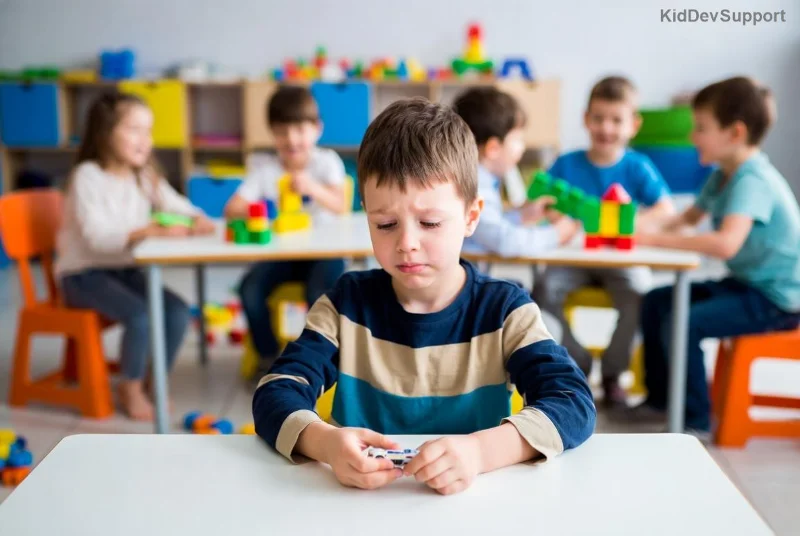
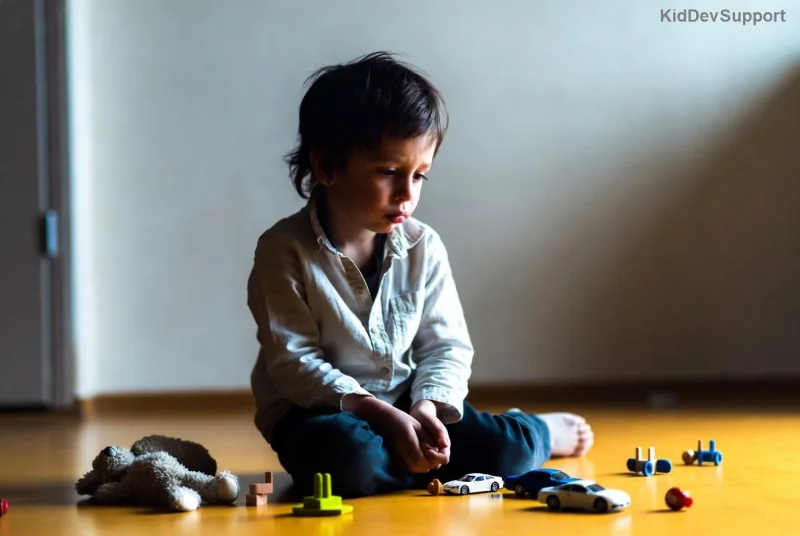
Imagine your autistic child transitioning from meltdown to calm with simple, everyday movements. Proprioceptive activities provide the deep pressure and joint compression that help kids with autism feel grounded, reducing anxiety and improving focus. These sensory exercises target the proprioceptive sense—your body's awareness of position and movement—offering a natural way to regulate the nervous system.
In this guide, we'll dive into why these activities matter and share the most effective proprioceptive activities for autistic kids. Backed by the latest sensory integration research, these exercises are easy to implement at home or school. Ready to help your child feel secure? Let's get started. 🏆

What is Proprioception and Why Do Autistic Kids Need It?
Proprioception is the sensory system's ability to sense body position, movement, and force without visual cues. For autistic kids, who often experience sensory processing differences, poor proprioception can lead to clumsiness, anxiety, or meltdowns. The latest studies from occupational therapy experts highlight how proprioceptive input calms the brain by signaling safety through heavy work and deep pressure.
Benefits include:
- Improved body awareness and coordination
- Reduced sensory overload
- Better emotional regulation
- Enhanced focus during tasks
Therapists recommend 20-30 minutes of daily proprioceptive activities for optimal results. For more on sensory needs in autism, check Autism Speaks.
Essential Proprioceptive Activities: A Parent's Toolkit
These proven exercises use "heavy work" to deliver proprioceptive feedback. Start slow, make it fun, and observe your child's response. We've organized them into a handy table for quick reference.
| Activity |
Benefits |
Equipment Needed |
Duration |
| Wall Push-Ups |
Builds upper body strength, provides joint compression |
Wall only |
5-10 reps |
| Animal Walks |
Full-body proprioception, fun motor planning |
Open space |
5 minutes |
| Therapy Ball Squats |
Deep pressure on legs, core stability |
Exercise ball |
10 reps |
| Weighted Blanket Hugs |
Calming deep touch pressure |
Weighted blanket (5-10% body weight) |
10-15 minutes |
| Chewing Thick Snacks |
Oral proprioception for jaw input |
Chewy foods like carrots or gum |
As snack time |
Detailed Guide: How to Do These Proprioceptive Activities Step-by-Step
Now, let's break down more proprioceptive exercises with instructions to ensure success. Incorporate them into routines like before school or bedtime for maximum impact.
1. Wall Push-Ups and Chair Push
Stand facing a wall, hands shoulder-width apart. Bend elbows to lean in, then push back. Progress to floor or chair dips. This delivers instant joint feedback, helping autistic kids feel "held" by their body. Do 3 sets daily.
2. Bear Crawls and Crab Walks (Animal Walks)
Encourage crawling like a bear or scooting like a crab across the room. These full-body movers engage muscles deeply, promoting grounding. Turn it into a game: "Race to the kitchen!" Ideal for high-energy moments.
![Autistic child performing proprioceptive exercises]()
3. Therapy Ball Rolling and Squats
Sit on a large exercise ball, bounce gently, or roll back and forth. For squats, hold the ball against a wall and lower into a squat. This provides rhythmic deep pressure, mimicking a hug from the inside out.
4. Heavy Lifting and Carrying
Let your child carry laundry baskets, grocery bags, or backpack filled with books. Pushing a weighted wagon works too. The resistance builds body awareness, reducing fidgeting throughout the day.
5. Jumping on Trampoline or Crash Pads
Mini-trampolines or piling cushions for jumping/crash landing offer explosive proprioceptive input. Limit to 5-10 minutes to avoid overstimulation. Perfect for releasing pent-up energy.
6. Weighted Vests or Compression Garments
Wearables like vests (10% body weight) or tight swimsuits provide constant input. Use during transitions or schoolwork. Consult an occupational therapist for fitting.
Pro Tip: Track progress with a simple journal—what works best? Adjust based on your child's sensory profile.
7. Tug-of-War and Resistance Play
Use a therapy band or towel for pulling games. The push-pull action compresses joints bilaterally, fostering calm and teamwork. Great for siblings!
8. Yoga Poses with Props
Child's pose with a weighted blanket or downward dog against a wall. These static holds deliver sustained proprioception, pairing well with deep breathing for emotional grounding.
![Sensory grounding activities for kids with autism]()
Creating a Proprioceptive Activity Schedule for Lasting Results
Consistency is key. Here's a sample daily routine:
- Morning: Wall push-ups + animal walks (wake-up energy)
- Midday: Weighted carries during chores
- Afternoon: Trampoline jumps post-school
- Evening: Blanket hugs + yoga
Monitor for signs of overdoing it—like fatigue—and balance with vestibular activities. The latest occupational therapy guidelines emphasize personalized sensory diets for autistic kids.
For professional advice, visit CDC Autism Resources.
Common Mistakes to Avoid and Pro Tips
- Avoid forcing participation: Make it playful to build buy-in.
- Don't skip safety: Supervise jumping; use proper weights.
- Combine senses: Pair with music or scents for multi-sensory wins.
- Consult pros if needed—OTs can tailor plans.
Final Thoughts: Empower Your Child Today
Proprioceptive activities are game-changers for helping autistic kids feel grounded in a chaotic world. Start with one or two from this list, and watch the transformation in focus, mood, and confidence. You've got this—your child deserves to feel safe in their body. Share your success stories in the comments, and explore more sensory tips for deeper dives. Stay grounded! 🌟