Spotting early signs of autism in toddlers can change everything. Autism Spectrum Disorder (ASD) affects how children communicate, play, and interact. The latest research from health authorities emphasizes early detection – ideally before age 2 – for the best outcomes. If your toddler shows these red flags, don't wait. Early intervention like speech therapy or behavioral support can unlock their potential. Keep reading to master these 10 must-know signs and know exactly what to do next. ⚠️

1. Limited or No Eye Contact
One of the top early signs of autism in toddlers is avoiding eye contact. By 6 months, most babies lock eyes during play or feeding. Toddlers with autism might stare past you or fixate on objects instead. This isn't shyness – it's a core social cue missing. Watch during peek-a-boo; no shared gaze? Note it. Early eye contact builds empathy; missing it delays bonding.
2. No Social Smiling or Responsiveness
Typical toddlers beam back when you smile by 6-9 months. If your little one stays blank-faced or doesn't react to your joy, it could signal autism symptoms in toddlers. They might not laugh at funny faces or clap along. This sign often pairs with solitude – preferring toys over people. Test with mirrors or tickles; flat responses warrant a check.
3. Delayed Speech or No Babbling
By 12 months, babies babble "mama/dada" specifically. Toddlers should say 10-20 words by 18 months. Signs of autism in 2 year olds include echoing words without meaning (echolalia) or total silence. No pointing to request? Huge flag. Recent studies show 70% of autistic toddlers lag in language; early therapy bridges this gap fast.
4. Repetitive Behaviors or Movements
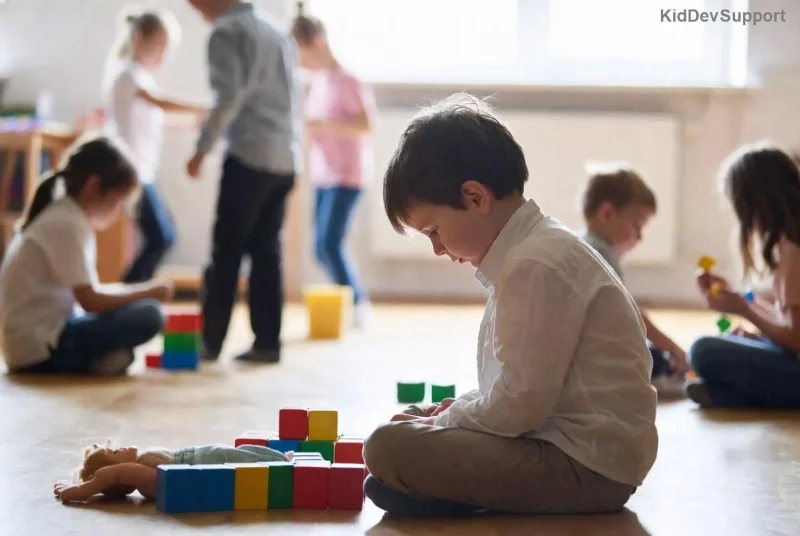
Spinning wheels endlessly, lining toys in rows, or flapping hands? These toddler autism signs scream "stimming" – self-soothing repeats. Normal kids play flexibly; autistic ones fixate rigidly. If blocks must be perfect rows, not stacks, observe patterns. Harmless alone, but clustered with others, it's urgent.
Quick Comparison: Normal vs. Autism Play Behaviors
| Behavior |
Typical Toddler |
Autism Red Flag |
| Object Play |
Builds, knocks down creatively |
Lining up obsessively |
| Movements |
Occasional spins for fun |
Constant hand-flapping |
| Interest |
Shares toys with you |
Solos, ignores you |
5. Doesn't Respond to Their Name
By 12 months, 80% response rate to "name calling" is normal. If your toddler ignores you repeatedly – even in quiet rooms – it's a classic early signs of autism in toddlers. Not hearing loss (test that first), but processing differences. Call from behind during play; no turn? Track frequency.
![Child with autism spectrum disorder showing sensory sensitivities]()
6. Lack of Pointing or Gesturing
Pointing to share interest starts at 9-12 months. No "look!" finger or waving bye-bye? Autism symptoms in toddlers often skip these bridges to communication. They might grab your hand instead of pointing. Vital for joint attention; absence predicts delays.
7. Unusual Sensory Reactions
Toddler autism signs include over- or under-reacting to sounds, lights, textures. Covering ears at vacuums (hypersensitive) or seeking spins (hyposensitive)? Normal kids startle briefly; autistic ones meltdown or crave extremes. Food textures refused? Common thread.
8. Regression in Skills
Losing words, smiles, or eye contact after gaining them? This signs of autism in 2 year olds hits 25% of cases. Regression around 18-24 months is a siren. Track milestones monthly; sudden drops demand immediate pediatric review.
9. Poor Imitation or Pretend Play
By 18 months, toddlers mimic brushing hair or feeding dolls. Rigid, literal play signals autism red flags toddlers. No "vroom" with cars or pretend tea parties? Imagination gap shows. Encourage gently, but note resistance.
10. Extreme Focus on Parts of Objects
Fixating on wheels over whole toys? This early autism detection cue means missing the big picture. Toddlers with autism zoom on details obsessively. Pair with spinning fans? Cluster confirmed.
Seeing 3+ signs? Don't panic – but act. The latest guidelines urge screening at 18-24 months. Use free tools like CDC's Milestone Tracker 🩺. Pediatricians spot 80% early with M-CHAT questionnaire.
What to Do Next: Your Action Plan
- Track daily: Video behaviors for doctors.
- Screen now: Free online at Autism Speaks.
- See specialist: Developmental pediatrician or early intervention program. In the US, call 1-800-4-AUTISM.
- Intervene early: ABA therapy yields 47% IQ gains per recent meta-analyses.
Early spotting transforms lives. One parent shared: "Caught signs at 20 months – now my son thrives in mainstream school!" You've got this. Share below if these resonated. Stay vigilant for your toddler's success. 🌟